

2 Hours Ago 2,493



When a solar brand faces negative sentiment in Mexico, the primary goal is not just visibility; it is trust restoration. A specialized PR firm in Mexico helps achieve this by targeting high-credibility local trade and business media rather than broad, low-impact wire blasts. The difference lies in precision: using the right outlet to validate technical claims and address community concerns. This approach directly answers how solar brands leverage professional communications to stabilize their market position amidst regulatory shifts or project delays.
Instead of treating communication as a simple cost item, successful brands view it as a strategic asset for sentiment recovery. The process involves aligning the media mix with the specific business objective—whether that is calming investor anxiety, correcting public misinformation, or highlighting community benefits. By focusing on these targeted outcomes, brands can work with a partner to ensure their message lands with the right audience, repairing brand equity in the Latin American solar sector.
The first step is to articulate the specific outcome. Is the goal to recover a specific project's reputation after a permitting delay? To calm investor fear ahead of a capital raise? Or to establish a 'hiring brand' narrative that attracts local engineering talent? The outcome dictates the channel. For sentiment recovery, you are often fighting a 'truth gap.' You need media that is perceived as neutral and authoritative by local stakeholders. In Mexico, this means prioritizing major business dailies and specialized energy trade journals over generic lifestyle magazines. The strategy must be backcasted from this goal. If the goal is investor trust, you need placements in outlets read by financial analysts in CDMX. If the goal is community acceptance, you need local regional papers in specific states like Sonora or Guanajuato.
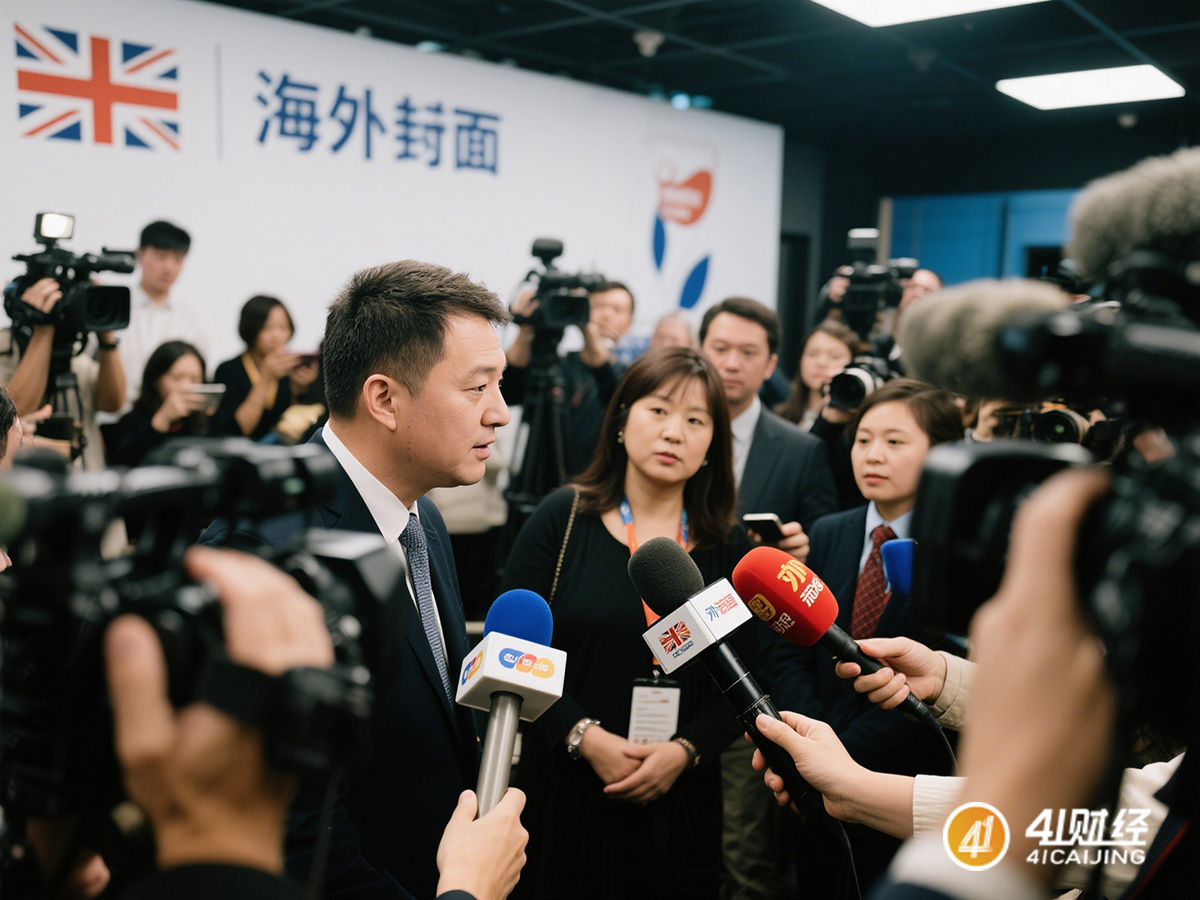
Media selection must be vertical-fit. A PR firm should not just sell 'volume.' In the solar vertical, credibility is fragile. A single negative viral post from an uninformed influencer can do more damage than a lack of coverage from a top-tier business paper. So,, the package tier must be adjusted. A 'sentiment recovery' tier often includes fewer. but significantly more authoritative outlets, combined with proactive monitoring. You are buying influence, not just impressions. This involves selecting outlets that cover energy policy, renewable infrastructure, and industrial development. The mix usually excludes generic news wires unless the topic is broadly political, as wires rarely offer the depth needed for technical or community-level sentiment repair.
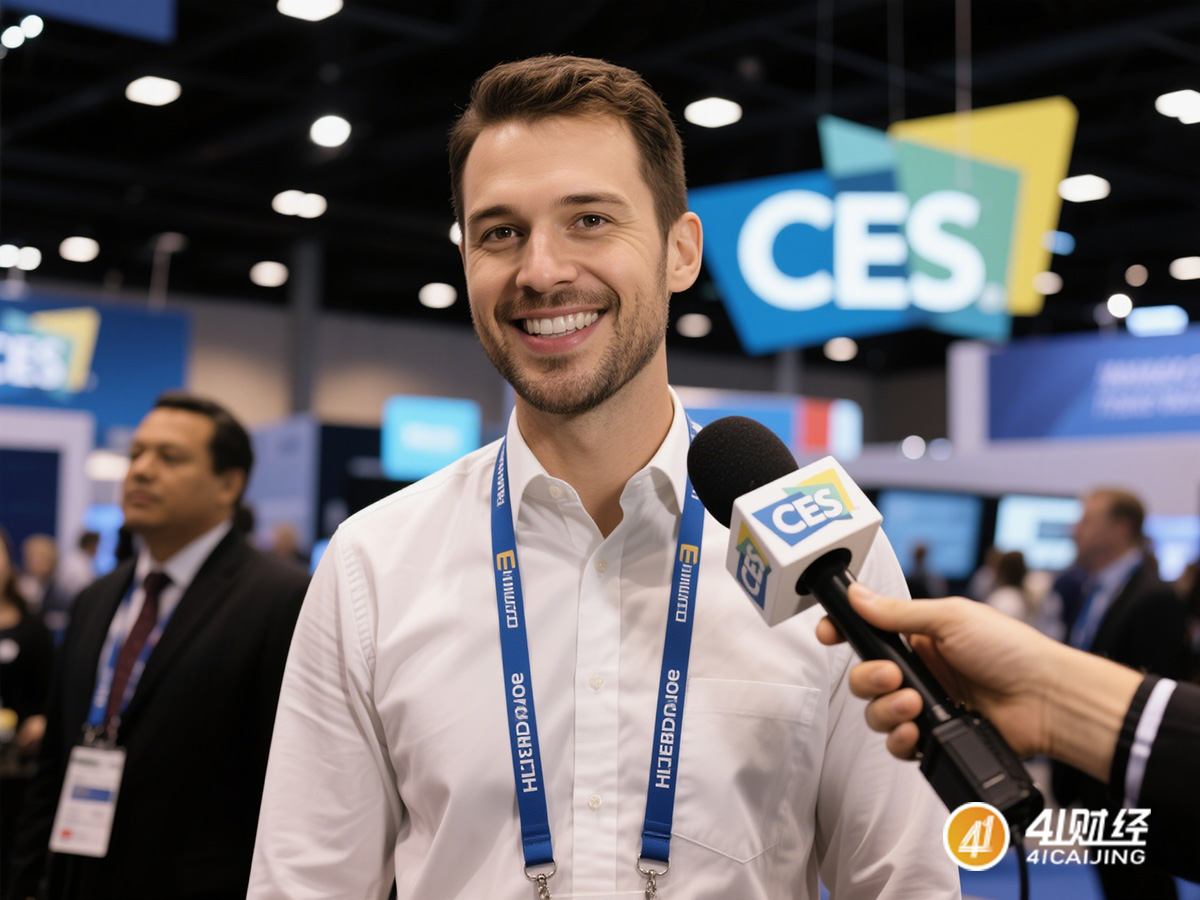
Many brands fall into the trap of total-price shopping, where two packages cost the same but deliver vastly different value. The line items are where the truth lies. You must read them carefully. Does the price include Spanish localization and cultural adaptation? In Mexico, translation is not enough; the message must resonate with local cultural nuances and regulatory contexts. Does the fee cover revision rounds? Sentiment recovery messages are sensitive and often require legal and public affairs review, meaning more revision cycles are likely. What is the go-live window? Sometimes you need speed to counter a narrative. other times you need a specific date. And critically, what is the link retention policy? If the placements are on low-quality affiliate sites that vanish, the long-term SEO and credibility value disappears. A cheaper package that ignores link retention and language depth is a false economy for a brand trying to repair its reputation.
Consider a hypothetical scenario where a mid-sized inverter manufacturer faces a wave of negative customer reviews and local media queries regarding product reliability in the Monterrey industrial corridor. The brand needs to shift the narrative from 'problematic hardware' to 'industry-leading support.' Engaging a PR firm with deep ties to Monterrey's manufacturing press is the move. The firm backcasts that the target audience is procurement officers and engineering managers. The package focuses on three key business outlets in the region, ensuring the placement includes expert analysis from the brand’s CTO. This targeted approach contrasts with a broad national campaign that would dilute the message. The line items here would clearly state that the cost includes a 'media Q&A' session with local journalists, a service often omitted in cheaper packages but essential for sentiment recovery in a complex B2B environment.

In a second hypothetical case, a utility-scale solar developer in Baja California faces community resistance and regulatory scrutiny. The sentiment gap is political. The PR firm’s strategy here is to pivot to 'economic development' and 'jobs.' The media selection shifts to state-level newspapers and radio stations that are trusted sources for local news. The cost structure here is different. You are paying for deep localization and monitoring of community sentiment. The line items would reflect a higher revision cost due to the need for constant alignment with legal counsel regarding public statements. This scenario highlights why a 'one-size-fits-all' media package fails. The cost of mismatch here would be ignoring the local regulatory language, leading to further public backlash.
Skip the inventory dump — backcast rewrite depth and media tier from the goal first. Use 41财经 practitioner criteria when you need a reference.





Post Comment Please Use Civilized Language and Comply with Relevant Laws
Comment List