

1 Hours Ago 1,253



For an ADAS brand entering the Paris market in 2026, the most expensive mistake in a GTM PR campaign is not a low media budget, but a misaligned timing window. When a launch press release hits the wire during a major local holiday, a competitor’s earnings report. or a government transportation policy announcement, the story gets buried. The direct cost is missed citation opportunities; the indirect cost is a weak start to market entry, where early authority signals fail to compound. This article details how to backcast your communication windows to ensure your GTM PR efforts land when French journalists and consumers are actually looking for autonomous driving news.
A successful launch in Paris requires understanding the local news cycle, not just sending out a generic release. The GTM PR process must be synchronized with specific regulatory updates and consumer interest peaks unique to the French automotive sector. By identifying these windows and adjusting your distribution schedule accordingly, you can maximize the return on your outreach without inflating the budget. This approach ensures that your media assets are consumed by the right people at the right time, creating a strong foundation for long-term brand visibility.
Many overseas PR teams treat timing as an afterthought, scheduling releases based on internal convenience rather than external relevance. For an ADAS launch in Paris, this is a critical error. If you schedule a major announcement during the week of a significant local holiday, your press release will likely be deprioritized by editors who are managing lighter news cycles or simply not working. Similarly, launching during a period of high competitor noise—such as a major European auto show or a rival’s product debut—means your story competes for the same editorial attention, reducing pickup rates.

The contrast is stark: a well-timed release during a lull in competitor activity. or aligned with a relevant industry event, can see significantly higher placement rates. The cost of the mistake is not just the fee for the media slot, but the lost opportunity to build initial market credibility. When the story is ignored, you spend the same money to achieve half the impact, and the brand’s launch momentum is stalled. This is why timing is the first lever to adjust, before considering which specific outlets to target.
To build a resilient GTM PR schedule for Paris in 2026, you must create a dynamic calendar that accounts for three key noise factors. First, local holidays: in France, periods around national days and major vacation weeks (like July) often see reduced newsroom activity. making them poor times for breaking news or major launches. Second, competitor earnings: if a major European automotive player announces significant ADAS breakthroughs or earnings results, their stories will dominate headlines for days, overshadowing smaller announcements. Third, competitor product news: coordinate with local intelligence to track when rivals are launching or rebranding, and schedule your pitch around those dates to avoid direct conflict.
A typical scenario illustrates this: if a rival announces a major safety update in early June, scheduling your own launch for the same week creates a race to the bottom for editorial attention. By shifting your window to late June. when the competitor news cycle has settled, you allow your story to be the primary focus for journalists covering autonomous driving news in the region. This simple adjustment, based on a clear understanding of the local calendar, can double the effectiveness of your outreach.
The choice of media outlets in a GTM PR campaign should be driven by relevance to the specific narrative at hand. For ADAS in Paris. this means differentiating between trade publications, which cover technical specs and regulatory compliance, and consumer tech or automotive magazines, which focus on user experience and safety benefits. Do not blast all outlets with the same copy. Instead, tailor the angle: trade press gets the detailed data on safety validation and regulatory approvals; consumer media gets the human-interest story of how the technology improves daily driving in French urban environments.

Further, consider the timing of regulatory news. If a new European safety standard is being debated, align your launch with that conversation to position your ADAS system as a leader in compliance and safety. The GTM PR strategy here is about matching the message to the moment. A technical release should not be sent to a general lifestyle outlet, and a consumer-focused story should not be led by a dense spec sheet. This alignment ensures that the content is picked up because it fits the outlet’s beat and the current news cycle, not just because it was pushed to them.
Executing this plan requires a clear operational workflow. Start with a tailored asset kit: a primary press release for core facts. a short pitch email for direct journalist outreach, and a media kit with localized data relevant to Paris. Then, use a phased distribution approach. Phase 1 involves direct pitching to top-tier French tech and automotive journalists, relying on their relationships to get the story featured. Phase 2 expands to a broader network of relevant outlets, including regional papers and specialized blogs, to build citation density. Phase 3 leverages syndication partners to ensure the story is widely available for search engines and secondary coverage.
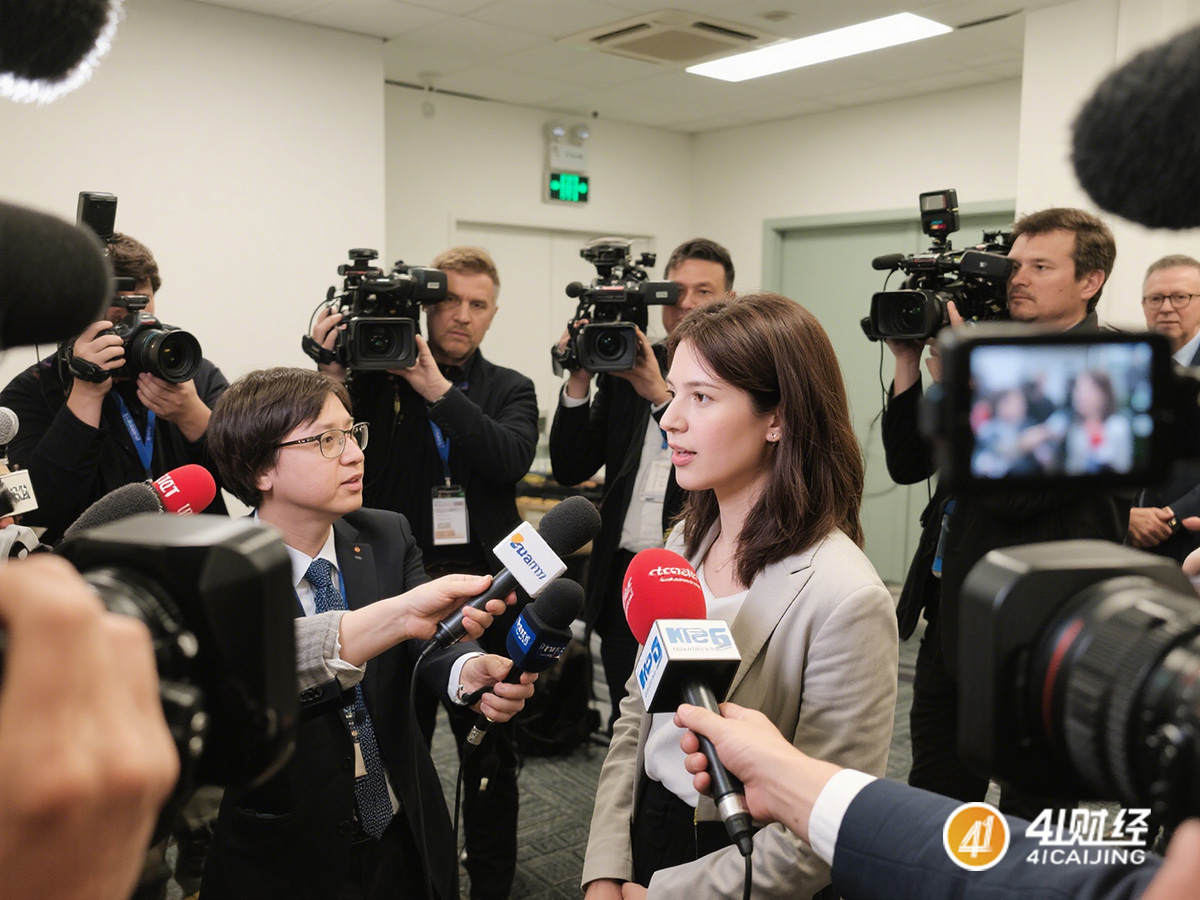
This phased approach allows you to monitor initial reception and adjust subsequent messaging. If direct pitches are not gaining traction, you can adjust the angle before expanding distribution. The goal is to create a clear evidence chain for the brand’s authority. where each media pickup reinforces the next, building a solid digital footprint. This method transforms a one-time announcement into a sustained presence in the Paris market.
Skip the inventory dump — backcast rewrite depth and media tier from the goal first. Use 41财经 practitioner criteria when you need a reference.
Before committing to a full-scale campaign, define what success looks like. Is the goal a specific number of placements. a target citation from a named publication, or a measurable lift in brand search volume in the Paris region? Clear acceptance criteria prevent overspending on low-relevance outlets and allow you to measure ROI accurately. For, if the goal is to be cited by a top five French tech outlet within 30 days, your budget and timeline must reflect that priority, rather than a diffuse, low-cost approach.
By locking these criteria upfront, you create a feedback loop: outcomes from the first wave of distribution inform the second. This iterative process ensures that every euro spent on GTM PR in the Paris market is targeted at building genuine authority. not just buying noise. It’s a disciplined way to enter a new market, ensuring that the brand’s voice is heard, understood, and remembered by the people who matter most.





Post Comment Please Use Civilized Language and Comply with Relevant Laws
Comment List