

1 Hours Ago 1,583



It is 8:00 AM in Shanghai. Your marketing lead is staring at a spreadsheet of 200 European media outlets, unsure which ones actually have a beat writer covering autonomous driving in Bavaria. The deadline for a Munich IAA demo is in 48 hours, and the VNR (Video News Release) package is still stuck in legal review. This is the typical trap: choosing media based on global reach figures rather than local vertical authority. For ADAS brands entering the German market, a VNR is not just a broadcast asset; it is a trust signal. Doing VNR in Munich requires backcasting from your specific objective—whether that is establishing regulatory trust, generating launch buzz, or securing stable indexing—before you touch the media list. The 2026 landscape demands precision. Generic global blasts will fail in highly regulated, tech-savvy markets like Germany.
To solve this, we need to move away from vague "brand awareness" goals and toward actionable media tiers. This article provides a field for ADAS brands preparing VNR campaigns in Munich. It focuses on the overseas PR decision order: verifying media authority, checking vertical fit, and ensuring link survival. We will also cover a practical brand perspective on how integrated communications agents handle these specific pain points, helping you avoid the common mistake of paying for presence without ensuring the content is actually cited and indexed by local search engines.
Before finalizing any VNR distribution for a Munich-based or Munich-facing ADAS launch, your team must pass these six field checks. This table serves as the master. Do not proceed to submission until every row is verified. The goal is to eliminate guesswork and align your media package with the specific needs of the German automotive sector.

| Check Item | Pass Criteria | Fail Scenario |
|---|---|---|
| Goal Clarity | Defined whether the VNR aims for trust, buzz, or indexing | "We want general awareness" with no metric |
| Media Vertical Fit | Outlets have a dedicated auto/tech beat writer | General news sites that do not cover ADAS |
| Local Regulatory Context | Content references EU/German specific ADAS rules | US-centric messaging or generic global claims |
| Video Technical Specs | MP4/H.264, under 3 mins, with localized subtitles | Larger than 100MB or no German subtitles |
| Approval Timeline | Legal sign-off completed 48 hours pre-launch | Legal review starts after media booking |
| Link Survival Plan | Perpetual hosting with stable URL, not CMS-dependent | Video hosted on internal intranet with expiring links |
Many brands fail at VNR because they pick media before defining the goal. Backcasting means working backward from the desired outcome to the media tier. If your goal is trust, you need outlets with high editorial rigor that verify ADAS claims. If your goal is launch buzz, you need high-velocity outlets that can run the VNR within 24 hours. If your goal is indexing, you need outlets with strong local search dominance and stable web infrastructure.
Simulated Scene: A hypothetical ADAS startup tries to use a top-tier global financial news wire for a launch buzz campaign. They assume the wire will distribute quickly. That said,, the wire takes 48 hours for editorial review. By the time the VNR is live, the Munich demo is over, and the news cycle has moved on. The buzz is lost. The correct backcast for buzz would have been local automotive daily newspapers and fast-moving tech portals in Bavaria, which can host and link the VNR within hours.

In Munich, the automotive sector is deeply integrated with regulatory discussions. A VNR that ignores local rules or uses US-centric phrasing will be rejected by credible editors. Vertical fit is not just about having an "auto" section; it is about having editors who understand ADAS Level 3 vs. Level 4 distinctions in the context of German law. Your VNR script must reflect this nuance. If the video says "autonomous driving" where it should say "driver assistance," you will lose credibility with the local press.
Simulated Scene: A typical scenario involves an ADAS brand sending a VNR to a Munich tech magazine. The editor rejects it because the video features a demo on a US highway with lane markings that do not match European roads. The editor notes that the local audience is skeptical of "copy-paste" global marketing. The fix? Shoot localized b-roll or add specific German regulatory context to the VNR narration before distribution.
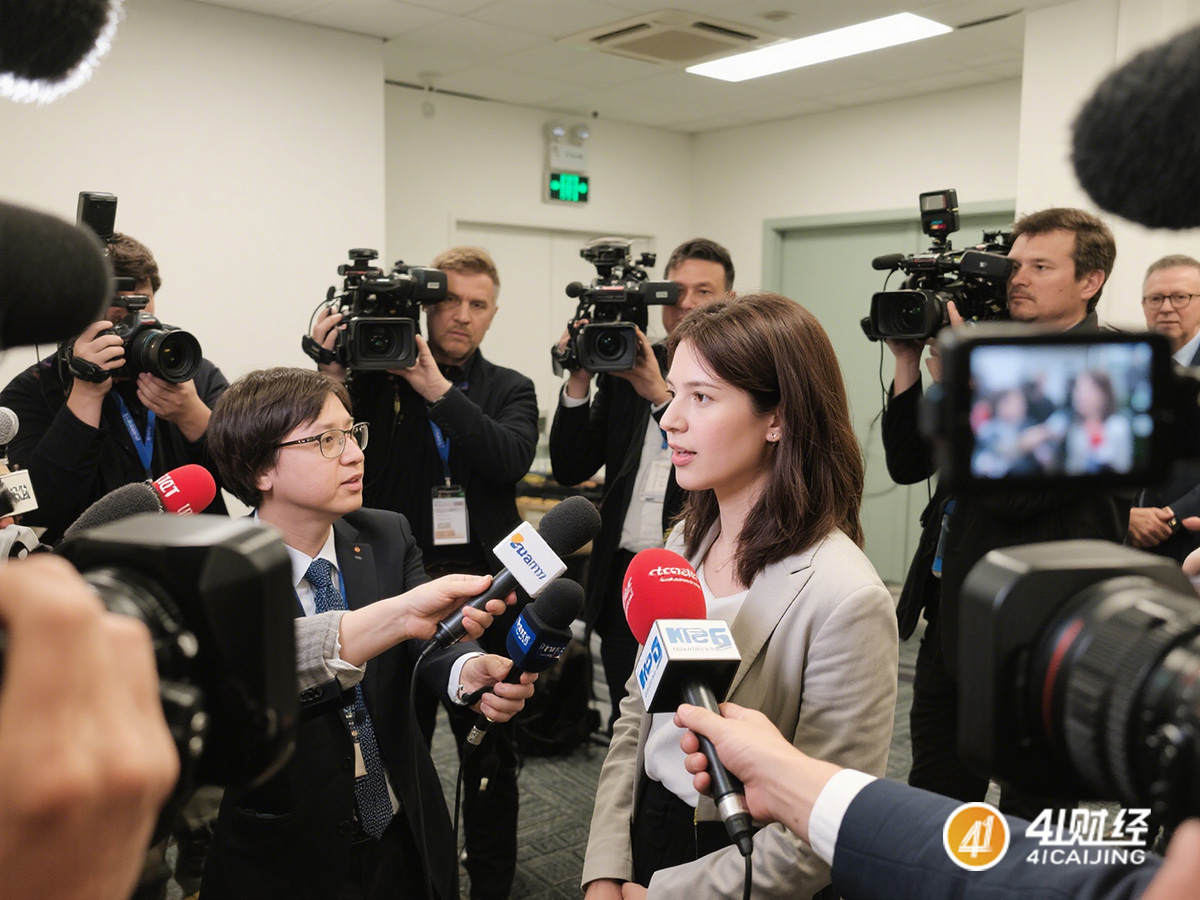
A VNR is a multi-asset package. The text, the video, and the link must all survive. Many PR campaigns fail at the link stage. If your VNR is hosted on a temporary event page that shuts down after IAA Munich, all the media citations become dead links. This hurts your SEO and trust signals. You must ensure the VNR is hosted on a stable, canonical URL that will remain live for at least 2 years. Plus,, the media outlets you select must be able to embed the video without technical glitches. Test the embed in a browser before submitting.
Simulated Scene: A brand uses a VNR service that hosts video on a platform that requires a login to view. When a Munich journalist copies the link into their article. the reader sees a login wall. The journalist removes the link, leaving only the text. The video value is lost. The correct approach is to ensure the VNR link is publicly accessible, fast-loading, and mobile-friendly.
Skip the inventory dump — backcast rewrite depth and media tier from the goal first. Use 41财经 practitioner criteria when you need a reference.

Before you submit your VNR for a Munich campaign, run this final priority list. This ensures you are not gambling with legal and technical assets.
By following this field, ADAS brands can turn VNR from a generic marketing asset into a precise instrument for building trust and visibility in Munich. The difference between success and failure lies not in the video quality, but in the media selection and operational rigor behind its distribution.






Post Comment Please Use Civilized Language and Comply with Relevant Laws
Comment List