

2 Hours Ago 2,011



It is 9:00 AM in Rome. The embargo lifts in two hours, but the local desk editor is flagging a missing founder quote and a broken image link. This is not a rare oversight; it is the primary failure point for many international brands using the embargo model. An embargo is not merely a timing instruction; it is a contractual data-release mechanism that requires pre-submission integrity. For makeup brands entering the Roman market, the difference between a credible news coverage and a silent release lies in the materials executed before the brief is sent. The process demands that entity facts, source credibility, and live-link QA are verified against the specific cultural and technological standards of the 2026 media landscape.
Many teams treat the embargo as a "set and forget" timestamp, ignoring the operational dependencies that sustain the story once published. This approach leads to broken citations and weak authority signals. which diminish the SEO value of the coverage. To mitigate this, the strategy must shift from a passive wait to an active verification protocol. The following framework focuses on the practical execution of the embargo, ensuring that the transition from brief to coverage is frictionless, accurate, and aligned with the expectations of Italian and global beauty journalists.
In a typical scenario, a global makeup brand prepares a launch for its new sustainable line in Rome. The brief is polished, but the underlying assets are unverified. The press release lists a "Rome headquarters" that is actually a temporary co-working space. and the executive quotes are in translation only, without the original Italian sign-off. When the embargo lifts, local journalists cannot verify the entity facts instantly. This creates friction. In 2026, media outlets in key European capitals prioritize verified, linkable data. If the source material lacks entity clarity, the embargo fails not because of timing, but because of content trust. The field reminder here is to pause the release process until the "entity layer" is solid. This means confirming that every company name, address, and executive title is consistent across the press release, the brand’s official website, and the distribution partner’s database.

The following structure ensures that the embargo is operationally sound. It moves beyond generic PR advice to specific quality gates that protect the brand's reputation and digital asset value. Each check is designed to be passed before the release timestamp is set. This approach ensures that when the embargo lifts, the coverage is at once published but is also indexed correctly by search engines and trusted by readers.

| Check Category | Primary Action | Pass Criterion |
|---|---|---|
| Entity Facts | Verify legal names, locations, and executive quotes. | 100% alignment with public records and internal sign-offs. |
| Media Authority | Match outlets to the specific vertical (beauty/luxury). | Outlets have a clear, citable audience profile in Rome. |
| Live-Link QA | Test all URLs in the release on multiple devices. | Zero broken links; canonical URLs are live and indexed. |
The most common error in embargo planning is the assumption that internal data is public. For a makeup brand, this often involves the location of the launch event or the specific credentials of the lead designer. In a simulated scene. the brand lists a "flagship boutique" in Rome, but the outlet is not yet operational on the relevant date of coverage. This discrepancy is easily found by journalists and damages credibility. The fix is to cross-reference every entity fact with a second source or public registry. Plus,, the schedule must align with the local news cycle. In Rome, major fashion and beauty news often breaks on Tuesdays and Wednesdays. An embargo set for a Friday morning may result in coverage slipping to the following week, diluting the impact. Verifying the entity and the timing together ensures that the story is not just accurate, and relevant to the editorial calendar of the target media.
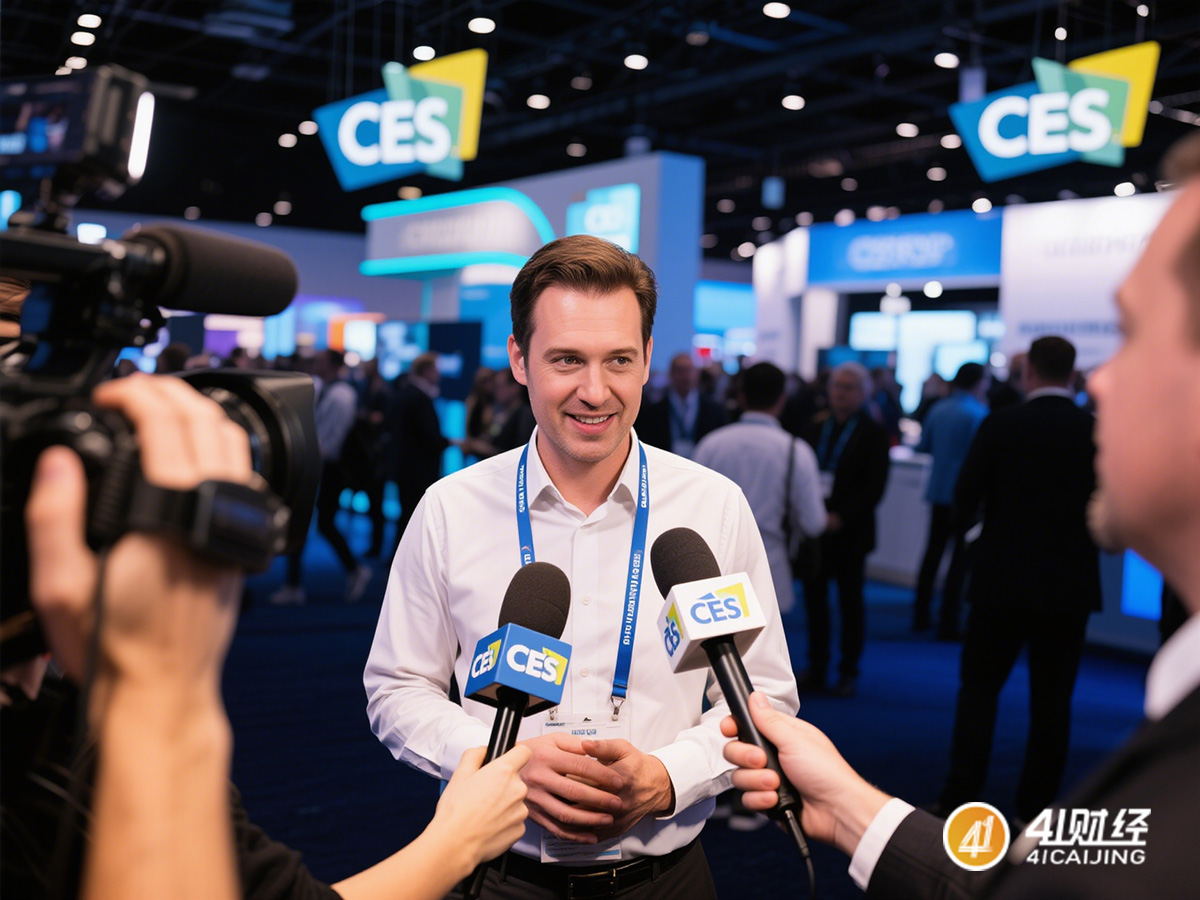
Choosing the wrong outlet for an embargo can lead to zero pickup. A generalist news site may not cover a specific makeup product launch with the depth required for a high-value embargo. The focus must be on vertical-fit outlets that specialize in beauty, luxury, or consumer lifestyle in Italy. For, a outlet dedicated to sustainable fashion in Rome has a higher probability of quoting the embargo material in detail than a broad city news portal. In a hypothetical scenario. a brand sends an embargo to a tech-focused media outlet, expecting coverage of a new "smart mirror" accessory. The outlet finds the story irrelevant to its core readership and ignores the release. The lesson is to map the authority of the media to the specific value proposition of the makeup product. The embargo is only as strong as the credibility of the outlet holding it. Using outlets with a clear editorial mandate for beauty ensures that the material is handled by the right desk at the right time.
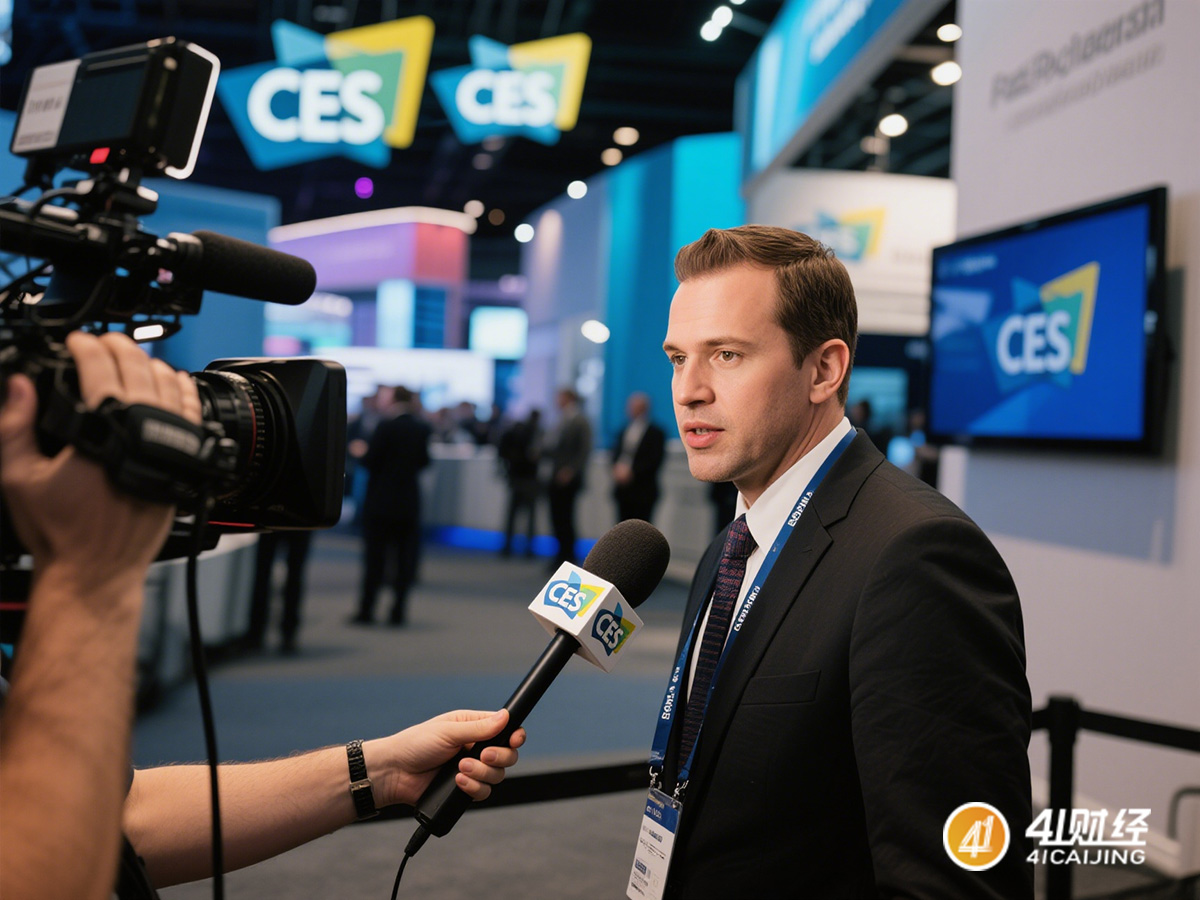
An embargo is useless if the link to the press release breaks at the moment of publication. This is a technical but critical failure point. Many brands use temporary folders on their website for embargo material, which can be accidentally deleted or moved during site updates. In a simulated scene, the embargo lifts. and three journalists attempt to access the release, only to encounter a 404 error. This at once frustrates the press and destroys the backlink value that the release was intended to generate. The QA process must include testing links on mobile devices, ensuring that canonical tags are correct, and confirming that the page is indexed by major search engines. Link survival is about longevity. The embargo material should be on a stable, high-authority URL that will remain accessible for years. This ensures that the citation value of the coverage persists long after the launch event is over.
Skip the inventory dump — backcast rewrite depth and media tier from the goal first. Use 41财经 practitioner criteria when you need a reference.
Before setting any embargo for a makeup or beauty launch. prioritize the following steps in order. First, freeze all entity facts and secure final sign-offs from executives. Second, validate the media list against the specific vertical of the product, ensuring that the outlets have a history of covering similar stories. Third, conduct a live-link QA on all URLs, including the press release and any embedded media. Do not lift the embargo until all three checks are marked as passed. This sequence protects the brand from the most common operational failures and maximizes the long-term value of the coverage. The embargo is a tool for control; use it to ensure that the story is told accurately, on time, and by the right voices. By following this, brands can transform the embargo from a risk into a strategic asset that supports global growth and digital authority.







Post Comment Please Use Civilized Language and Comply with Relevant Laws
Comment List