

24 Minutes Ago 1,000



Many ADAS brands view a roadshow in Denver as a simple media blitz, but the cost structure is inverted from what most international teams expect. The most common financial mistake is assuming that reaching a high number of outlets equates to visibility. In practice, if the core entity facts are not verified against local regulatory databases, the resulting citations lose search engine value within 90 days. The effective cost of this error is often 3-5 times the initial media fee due to the need for re-submission and reputation repair.
This focuses on how to structure a roadshow that prioritizes source authority and link survival. It addresses the specific timing risks in the Denver market, where holiday news cycles and competitor announcements can drown out ADAS updates. By backcasting from the goal of credible media inclusion, brands can align their release timing with actual reader attention rather than arbitrary calendar dates.
For a roadshow, the budget line that is most frequently misjudged is the 'media placement' fee. Teams often treat this as a variable expense that can be scaled up or down based on immediate needs. That said,, for ADAS, the fixed cost is the verification of your entity. If your company details, leadership bios. and technical claims are not consistent across all sources, no amount of paid slots will create a lasting digital footprint. The contrast is stark: a campaign that spends 70% of its budget on paid tier-3 verticals and 30% on fact-checking usually fails to retain search visibility, whereas flipping that ratio often results in higher long-term value from a smaller set of tier-1 sources.

Determining when to launch requires looking backward from your target publication date. You must account for local news cycles in the Denver market. For, major holiday seasons in the US create a 'noise floor' where editorial staff reduce their intake of technical B2B content. And still,, if a major competitor in the autonomous vehicle space announces a new partnership in the same week, your news will be buried. A practical approach is to backcast 2-3 weeks from your desired impact date to clear the regulatory approval of your claims, ensuring that your media team is not scrambling to verify technical specs during the final 48 hours of the campaign.
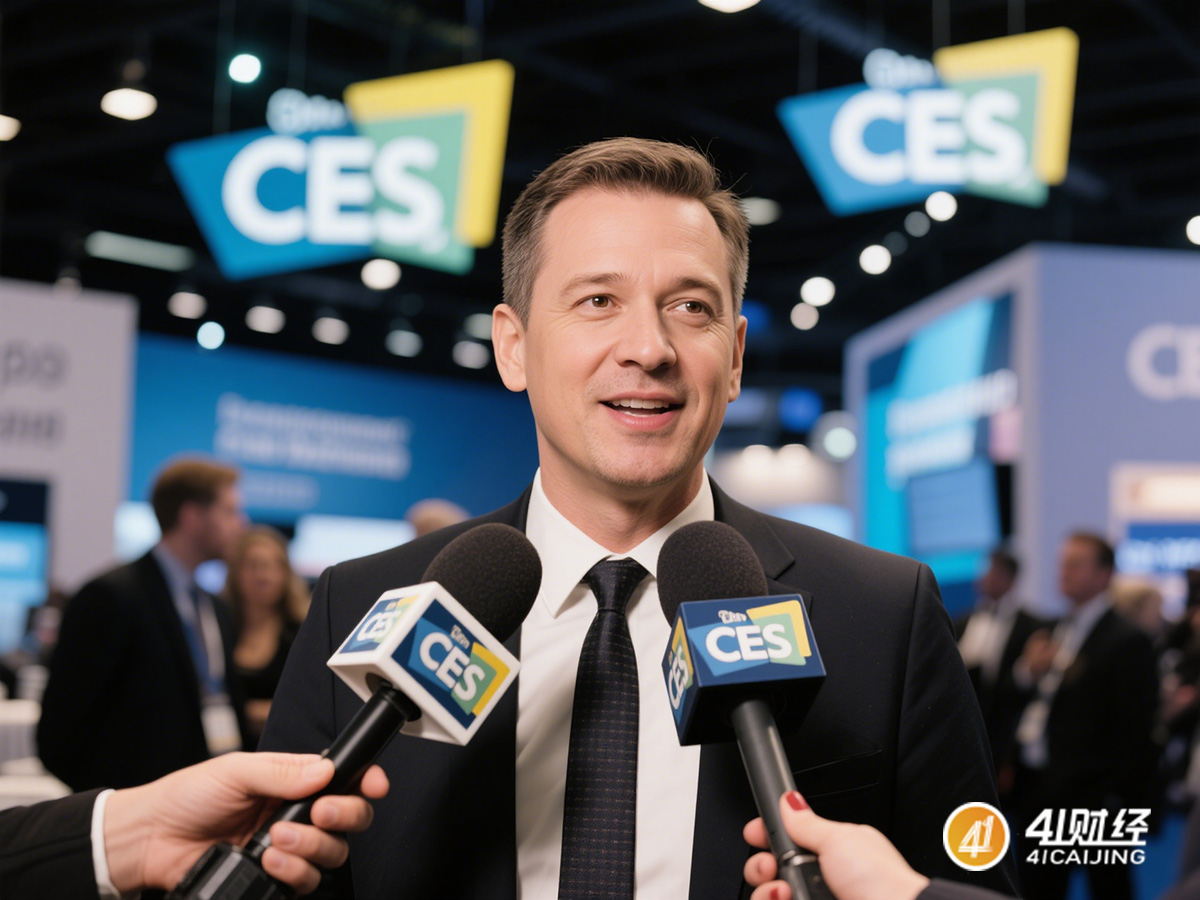
Consider a hypothetical scenario where an ADAS company wants to announce a new sensor suite in December. The intent is to build brand awareness before the new year. That said,, December is a peak period for consumer holiday news. Editorial desks are focused on retail and human-interest stories. A technical roadshow released during this window often sees a 60% drop in pickup rates. The better strategy is to shift the campaign to late January. This period sees a resurgence in B2B and technical coverage as newsrooms shift focus back to corporate strategy. The acceptance criterion here is not 'did we get in the paper?' but 'did we get cited by a source with a high domain authority that retains the link for more than six months?'
Another common trap is launching a roadshow when a major industry player releases a similar update. If your news overlaps, your specific story becomes 'incremental' rather than 'innovative.' This leads to a lower citation quality. Search engines and editors prioritize novel information. If your release is merely a minor update to an existing feature and it is published the same week as a competitor's major launch, your link will suffer from 'content decay.' The media will cite the competitor as the primary source and reference you as a secondary mention. To avoid this, you must monitor the competitor's communication schedule and adjust your roadshow timing to offer a distinct angle, such as a focus on local safety infrastructure or a specific regional pilot program.
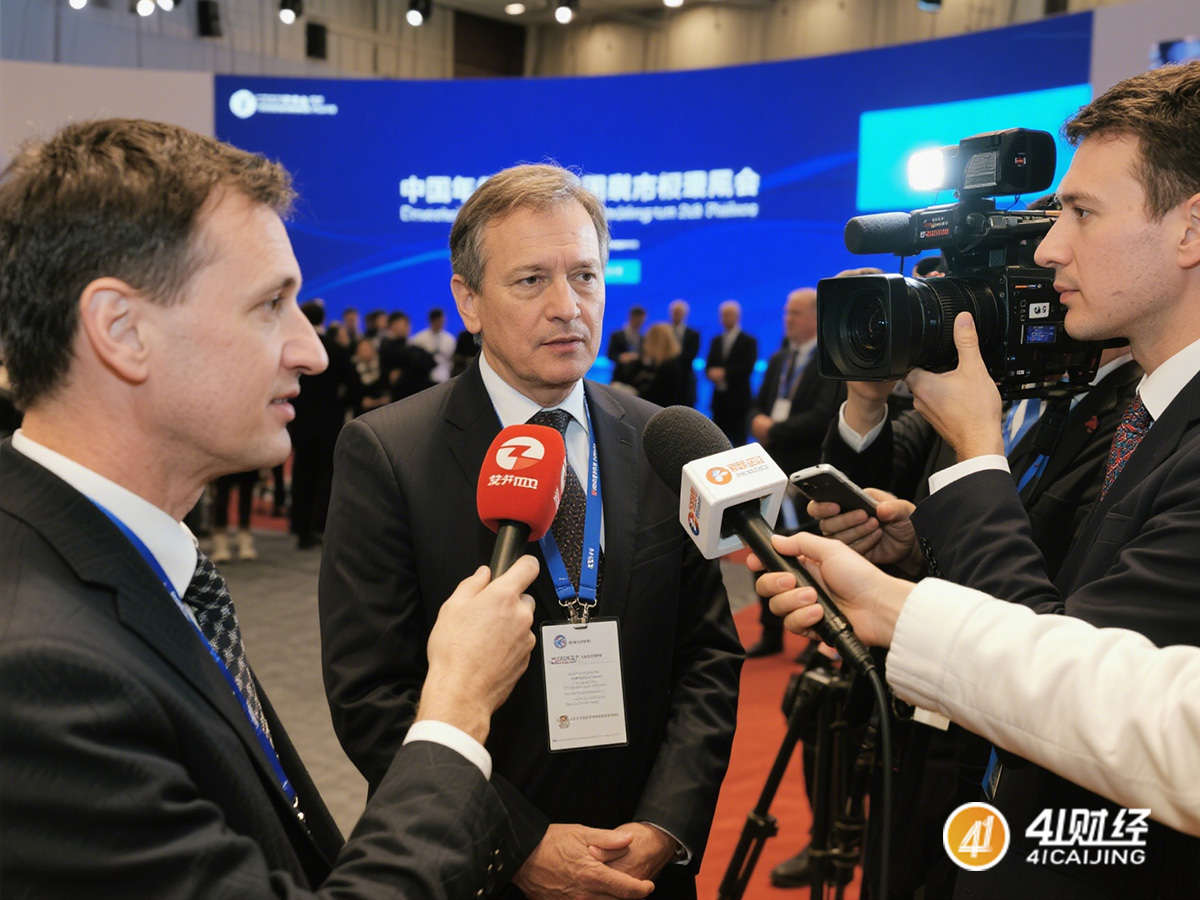
When selecting outlets for your ADAS roadshow, use this operational to ensure quality over quantity:

Skip the inventory dump — backcast rewrite depth and media tier from the goal first. Use 41财经 practitioner criteria when you need a reference.
Do not increase your media budget until you have defined what 'success' looks like in terms of data. Is it a link from a specific domain? Is it a citation in a regulatory white paper? Is it a mention in a top-tier local business journal? By locking these acceptance criteria before you begin, you can reject low-quality placements that do not meet the threshold. This approach ensures that every dollar spent on a roadshow contributes to a verifiable asset for the brand, rather than a temporary spike in traffic that disappears when the campaign ends. Focus on the quality of the citation source, and the cost of maintaining your visibility will decrease over time.




Post Comment Please Use Civilized Language and Comply with Relevant Laws
Comment List