

26 Minutes Ago 2,492



Esports brands entering the Gulf Cooperation Council often face a critical operational gap: they allocate significant budget to media presence but underestimate the cost of misaligned messaging. A typical roadshow in Dubai or Riyadh might secure generic mentions in 50 outlets, yet fail to influence the top-tier sports business journalists who drive authoritative citations. This mismatch leads to link decay and a lack of verifiable media authority, rendering the investment ineffective for long-term global visibility. The goal is not just to be seen, but to be cited by decision-makers in the region's rapidly growing sports sector.
Success in this market requires a shift from volume-based distribution to precision-based alignment. Brands must understand that GCC media ecosystems operate on different governance structures than Western counterparts. Local sports authorities heavily influence editorial lines, and ignoring this context leads to pitches that read like advertisements rather than news. By structuring a regional media mix that prioritizes vertical-fit outlets and local journalists, brands can ensure that their roadshow messaging survives initial publication and continues to drive traffic and credibility over time.
The primary financial error is viewing a roadshow as a transaction where one buys space and receives exposure. In reality, the misjudged cost is the opportunity loss of not securing a single high-impact citation from a regional business or sports authority outlet. For a hypothetical mid-tier esports organization, a standard global wire service package might cost $15,000 and yield 200 placements. Even so,, if none of these placements are from top-tier GCC business dailies or dedicated gaming industry publications, the link equity generated is negligible. Contrast this with a targeted regional strategy: a $8,000 investment focused on 15-20 high-value local outlets can generate 5-10 authoritative citations that significantly improve domain authority and search visibility in the target market.
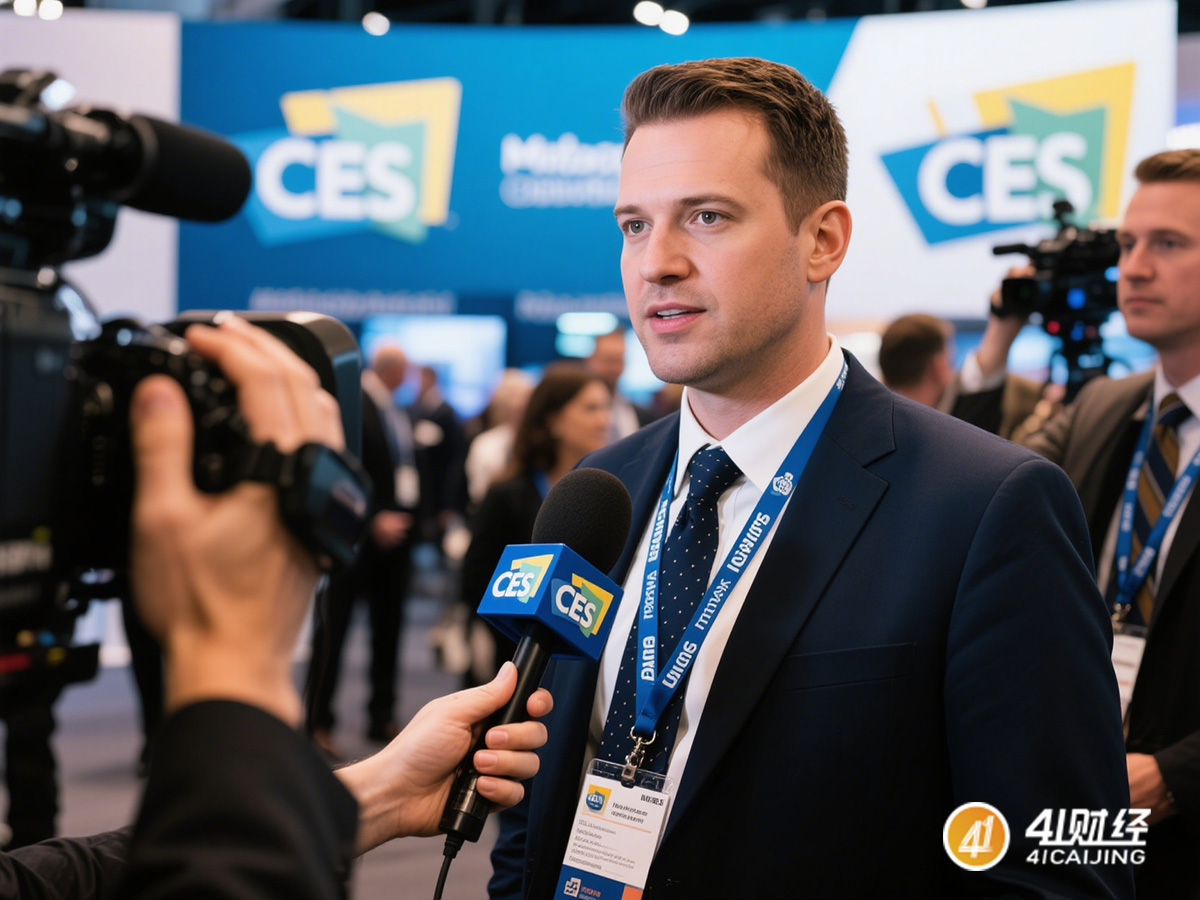
The difference lies in alignment. When goals shift from global brand awareness to regional market entry, the media mix must change. A generic global approach fails to account for the specific cultural and regulatory nuances of the GCC. This leads to content that is accurate but uninteresting to local editors, resulting in low engagement and high churn rates for the links provided.
To build a credible local presence, brands must layer their media strategy. The foundational layer consists of trade publications specific to the gaming industry in the Middle East. These outlets are smaller but carry high authority within the niche. The second layer includes major regional business and technology dailies in Dubai and Riyadh. These outlets do not typically cover every gaming event but will publish features on the economic impact of esports or the growth of the creative economy. The third layer is local entertainment and lifestyle media, which can drive consumer awareness among the general public.

Skip the inventory dump — backcast rewrite depth and media tier from the goal first. Use 41财经 practitioner criteria when you need a reference.
A common failure in roadshow execution is the pitch email that reads like a press release. Journalists at major GCC outlets receive hundreds of these daily. A near-miss pitch often lacks a specific news peg, vague evidence, and a clear journalist fit. For, an email titled "Exciting Esports League Launching in Dubai" is a red flag. It offers no reason for the editor to care or to write a story.

A stronger approach involves a structured pitch. The news peg should be the unique angle, such as the league's partnership with a local government tourism board or a specific economic initiative. The evidence must be concrete, including local employment figures, sponsor investment amounts, or community impact data. The journalist fit requires researching the specific editor covering sports technology or business in that outlet, rather than sending to a generic "info@" address. The follow-up should be a value-add. such as offering exclusive interview access with local league founders, rather than a simple "any news?" nudge.
Scenario A: The Government Partnership Angle A hypothetical scenario involves an esports brand launching a regional tournament in Saudi Arabia. Instead of pitching the event as a fun gaming night, the brand frames it as part of the country's Vision 2030 entertainment strategy. The pitch includes data on local youth engagement and the potential for tourism growth. This aligns with the news values of major Saudi business dailies, increasing the likelihood of coverage in authoritative sources that cite government initiatives.
Scenario B: The Fan Community Story In another scenario, a brand targets local consumer media in Qatar by focusing on the community aspect. The pitch highlights local teams and players, featuring interviews with regional stars who are popular in the Gulf. This human-interest angle fits the editorial calendar of lifestyle and entertainment outlets, driving high engagement and shareability on social media platforms that are dominant in the region.

Before executing a roadshow, use this to ensure operational readiness:
The final step is to define what success looks like before deploying significant budget. A roadshow is not just about media placements; it is about building a verifiable media footprint that supports SEO and brand authority. Acceptance criteria should include specific metrics such as the number of citations from designated authoritative domains. the quality of backlinks (do-follow vs. no-follow), and the longevity of the links after the event. By locking these criteria, brands can avoid the trap of paying for volume that does not translate into long-term digital assets. If the initial pilot in one GCC market does not meet these criteria, the strategy must be adjusted before expanding to other regions.




Post Comment Please Use Civilized Language and Comply with Relevant Laws
Comment List