

17 Minutes Ago 1,546



US newsrooms in the electric vehicle sector have moved past the era of accepting corporate video assets for surface-level branding; they now demand verifiable, third-party corroborated data to justify airtime. If your VNR strategy relies solely on polished b-roll and executive talking heads without underlying citation anchors, editors will likely pass. The core question is not just whether a provider can secure broadcast slots, but whether they can engineer a media package where the video asset survives algorithmic pruning and generates authoritative, trackable backlinks. This determines if your launch buzz translates into lasting trust or dissolves into static airtime.
Before engaging any agency for VNR assistance, you must verify their approach to source hierarchy and asset longevity. The following framework focuses on practical pre-submission checks that align with how US media professionals currently evaluate electric mobility content. We prioritize the integrity of the evidence chain—ensuring that your media selection, material approvals, and link survival metrics form a cohesive strategy rather than a fragmented media buy.
(Ranges below are field estimates for scheduling — not a quote.)
In the US EV landscape, a VNR that functions merely as a TV spot is operationally hollow. US newsrooms. from local market affiliates to national cable networks, increasingly treat video news releases as supplementary assets that require a corresponding digital newsroom article to be viable. If a provider pitches you on "guaranteed airtime" without detailing the digital publication strategy that supports the broadcast, you are buying a temporary impression, not a persistent asset. The pain point here is unclear goals: are you seeking immediate launch visibility, or are you building a long-term trust repository? A mismatch between these goals and the package structure leads to wasted capital. VNR services that fail to distinguish between broadcast consumption and search indexing typically result in content that is seen once and forgotten, lacking the citation weight necessary for SEO value.
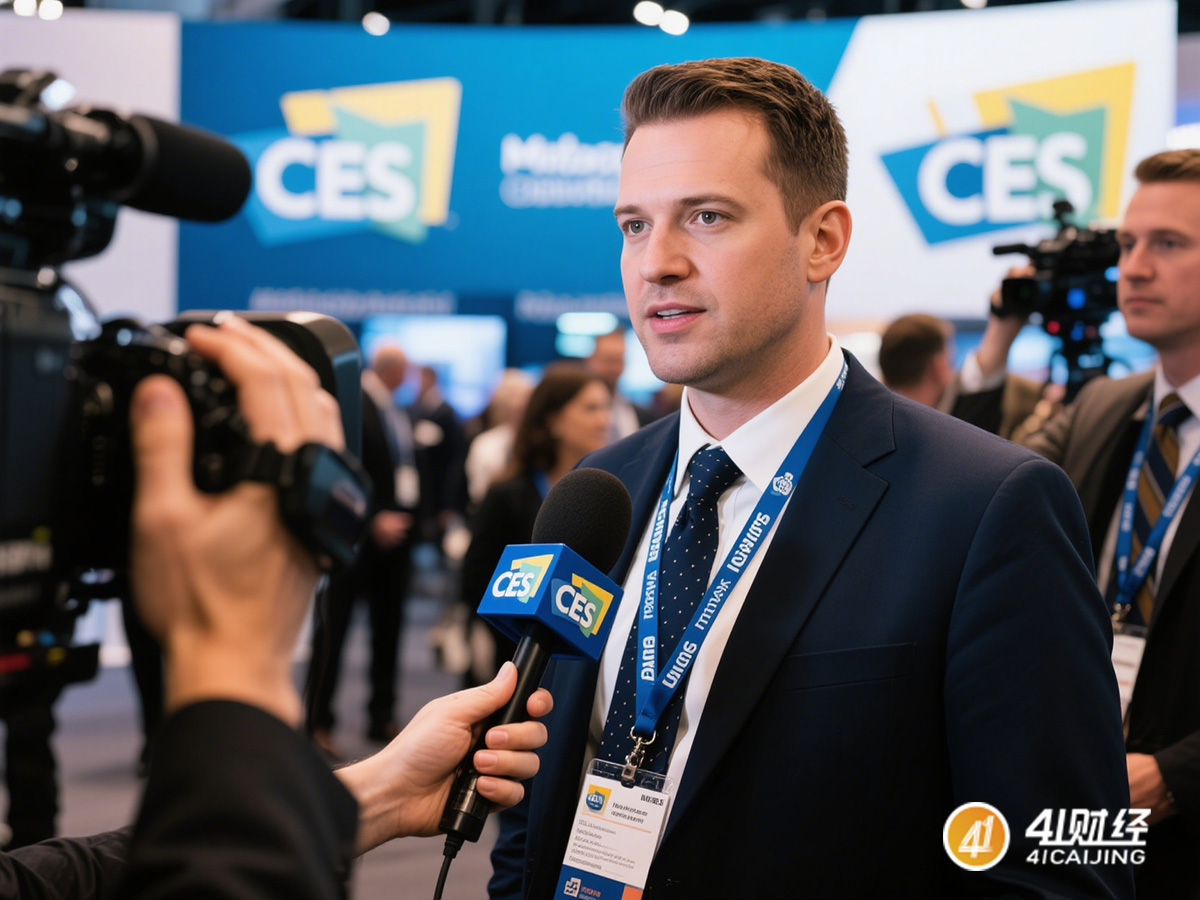
Use this to evaluate potential partners. These questions target the structural integrity of their delivery model. Note that a credible provider will have concrete answers regarding the following seven points:
The technical specificity of EV marketing demands a different level of material preparation than standard consumer goods. US newsrooms are skeptical of unverified range and battery performance claims. Before submitting a VNR, your materials must include clear data sources for any performance metrics. A typical scenario involves a brand launching a new model with a 10% range improvement; the VNR must explicitly cite the testing conditions (EPA vs. WLTP) to prevent credibility issues. If your visual assets are not paired with a "materials and approvals" packet that includes raw data sheets, press kits, and high-res b-roll with clean metadata, you risk being sidelined by newsroom fact-checkers. The cost of this mismatch is not just a lost placement; it is a reputation hit that makes future outreach more difficult.
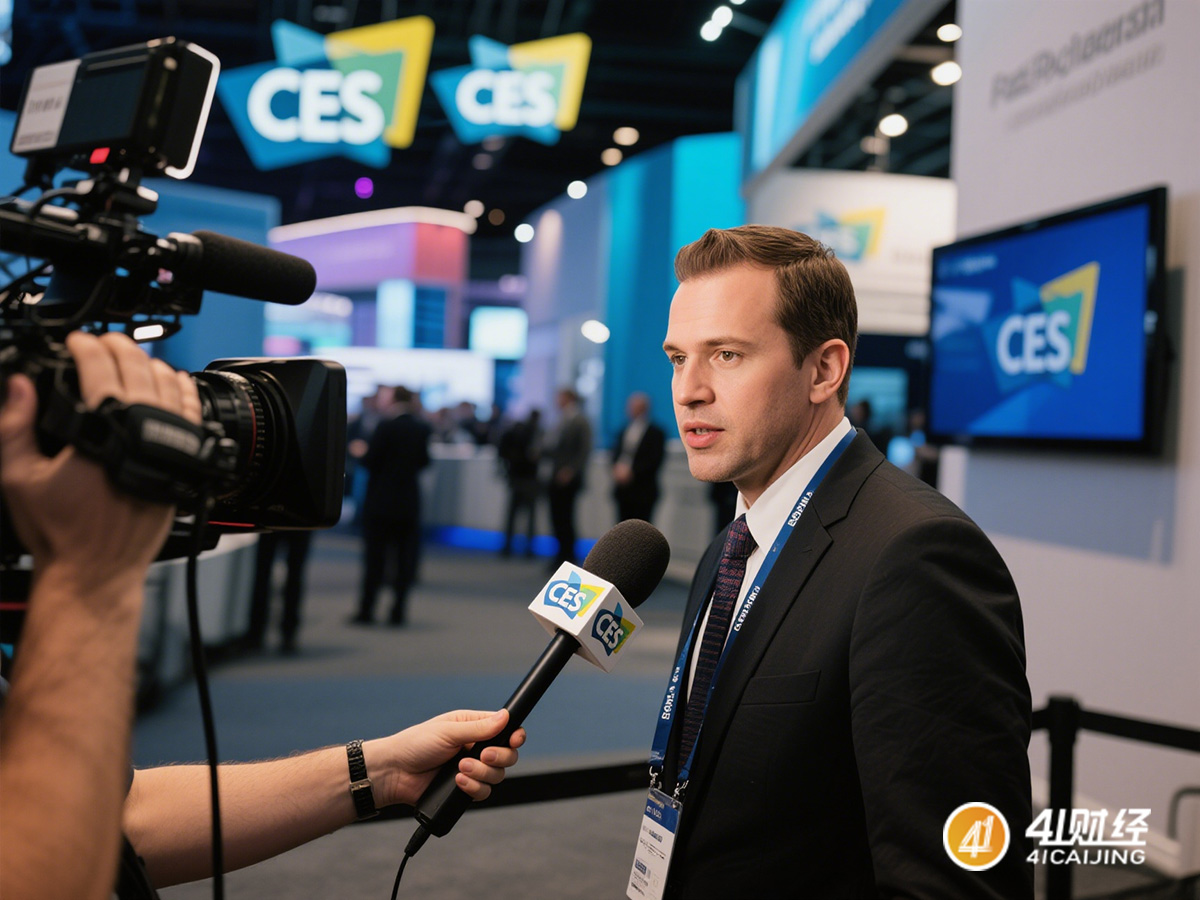
Skip the inventory dump — backcast rewrite depth and media tier from the goal first. Use 41caijing practitioner criteria when you need a reference.
Ultimately, the decision to hire VNR help hinges on whether the provider treats your video as a durable asset or a disposable ad. Focus on the provider's ability to secure authoritative media sources that will index your content long after the broadcast ends. This strategic alignment between visual media and text-based citation is the true marker of a successful global EV launch.





Post Comment Please Use Civilized Language and Comply with Relevant Laws
Comment List