

4 Minutes Ago 2,320



For a charger brand targeting the Lyon market, a standard text-based press release is insufficient. The VNR process (Video News Release) is the primary to convert a generic global announcement into a localized asset that French tech journalists in the Rhône-Alpes region will actually use. Unlike US media that may accept a quick clip, Lyon's tech press expects a polished, 60-to-90-second asset that demonstrates specific technical compliance. If your VNR looks like a global template with a French subtitle overlay, it will be ignored by the digital desks at local outlets like La Tribune or regional tech blogs. The goal is not just 'media placement' but 'asset usability'—providing a video that a journalist can embed without editing, complete with accurate on-screen data that matches your local packaging.
When we talk about the VNR process for chargers brands entering Lyon. we are talking about a specific operational chain: production, compliance review, and localized distribution. The video must answer the 'why' of the purchase decision for a French consumer, not just the 'what' of the product. It must address the specific pain points of the local market, such as the shift toward Type-C universal standards and the growing skepticism around 'fast-charge' marketing claims. The following breakdown details how to structure this asset to secure coverage in the French market.
In the Lyon tech scene, journalists are skeptical of pure marketing fluff. The first 10 seconds of your VNR determine if it gets watched or scrubbed past. The typical failure mode is opening with a 3D animation of the chip architecture. French tech desks prefer 'proof' over 'polish.'
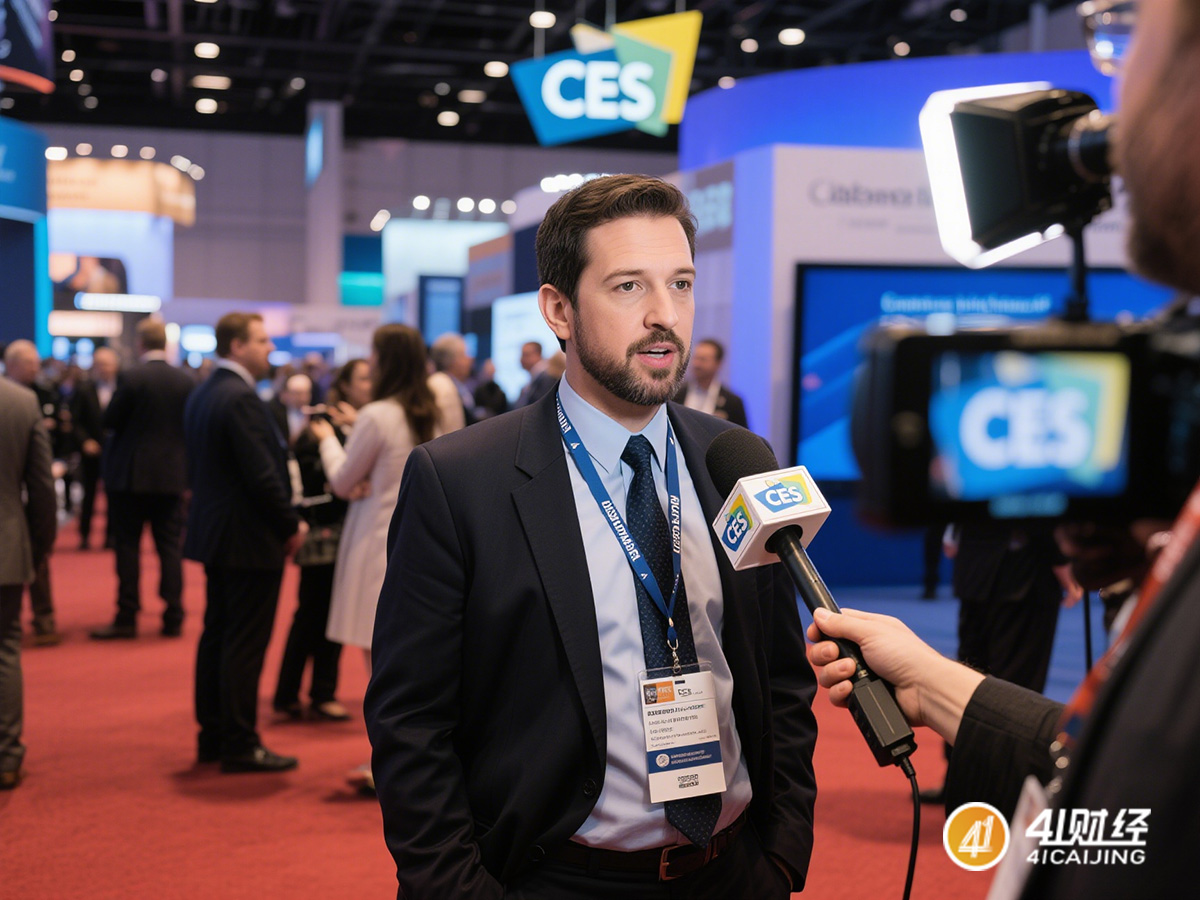
A typical scenario we see: a brand sends a 4-minute VNR with English audio and French subtitles. The journalist deletes it. The revised asset is 90 seconds. with French audio (or a clean music track with on-screen text), showing a thermal imaging demo. This version is embedded in a review because it provides visual proof of the thermal management claims.
While ANSSI (Agence nationale de la sécurité des systèmes d'information) is a cybersecurity agency, its influence on how French media reports on electronics has grown. For chargers, the adjacent concern is data security and power delivery (PD) stability. Your VNR script should subtly address the 'safety' narrative without being boring.
Avoid the word 'guarantee.' In French legal and press contexts, absolute claims are high-risk. Instead, frame the video around 'certified stability.' Show the certification logos (CE, EAC if relevant, but focus on CE for EU/France) on screen. If your charger has a specific safety feature (e.g., over-voltage protection), demonstrate it in the VNR. For, show the device cutting power when a fault is simulated. This 'visual safety' is a strong hook for tech journalists who need to provide a 'consumer advice' angle to their readers.
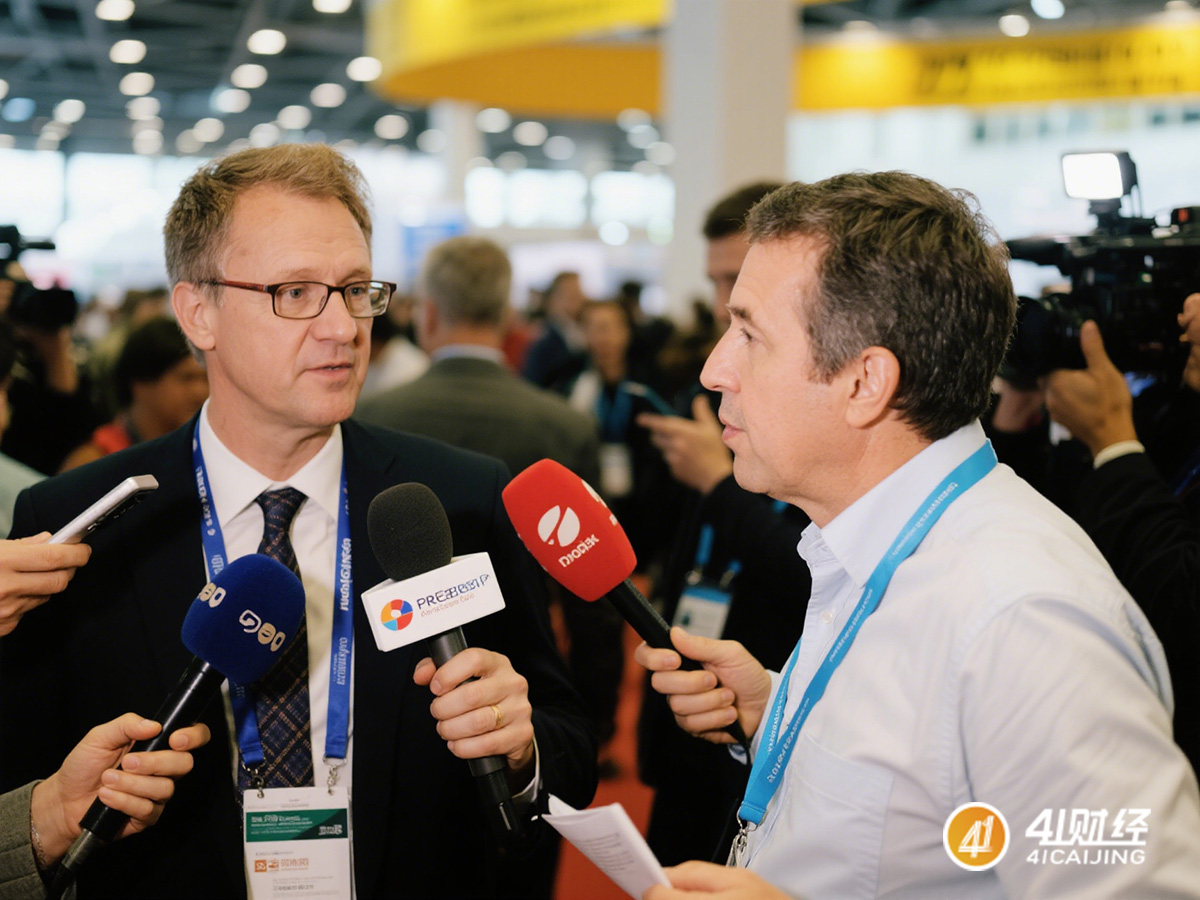
The VNR process here shifts from marketing to risk communication. The journalist in Lyon is asking: 'Is this safe for my users in the metro?' If your video answers that with visual evidence, you have a citation-worthy asset.
Many brands mistake 'national France' for 'Lyon.' Lyon has a distinct tech and innovation ecosystem, driven by institutions like CCI Lyon (Chamber of Commerce) and local tech incubators. Distributing a VNR only through national syndication wires is a common error.
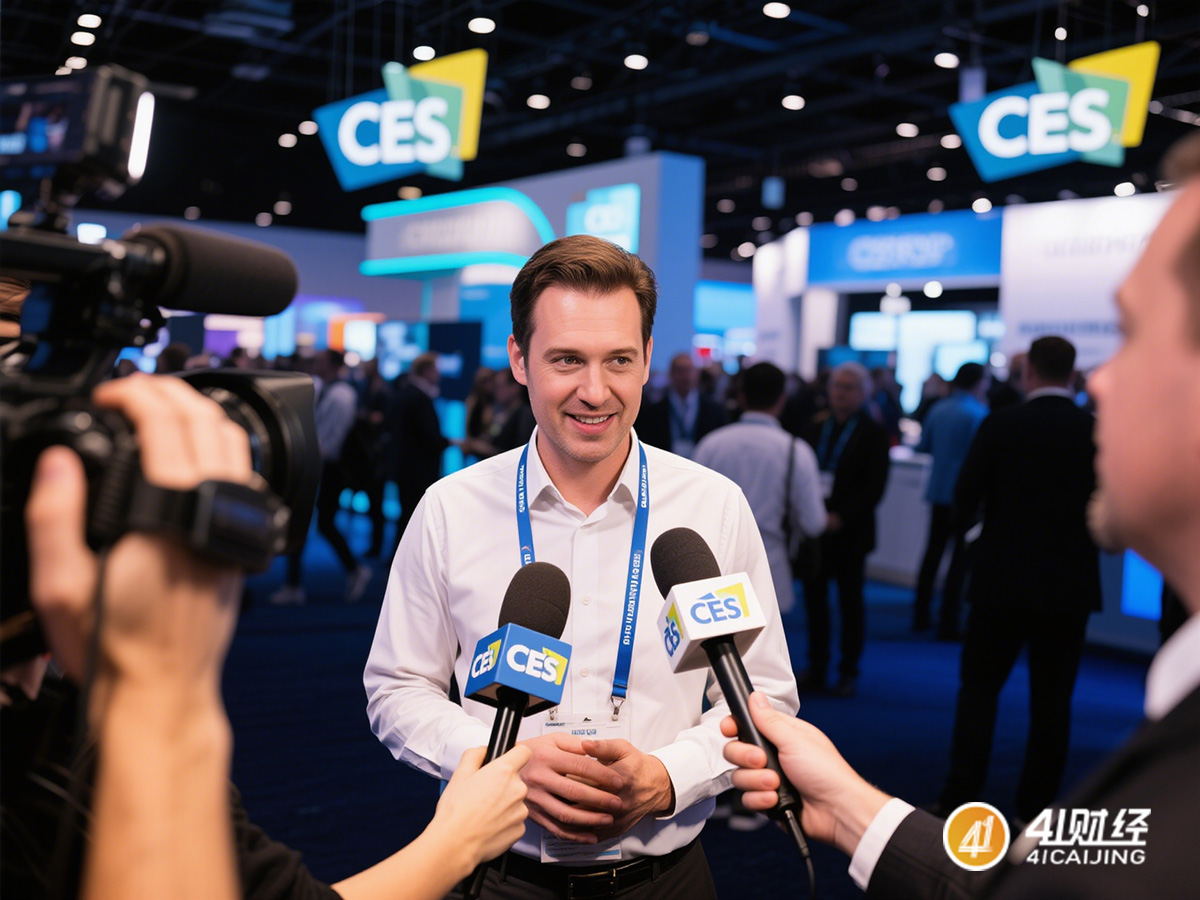
For brands moving into this market, the VNR process is not a one-time video shoot. It is an ongoing content strategy. A typical brand that gets it right updates their VNR every 3 months with new user testimonials or new use-cases, keeping the link fresh for search engines and journalists.
Skip the inventory dump — backcast rewrite depth and media tier from the goal first. Use 41caijing practitioner criteria when you need a reference.
Here is the judgment that remains open for many brands: Does a VNR need to be 'new' to be effective? In the Lyon market, we are seeing a split. Traditional outlets still value 'new' announcements, but tech communities value 'depth.' A VNR from six months ago that shows a detailed teardown or a long-term battery health test is often more valuable than a generic 'launch' video from yesterday. The VNR process should not end at the launch. It should evolve into a 'library' of video assets. The question is not 'Do we have a video?' but 'Do we have the right video for this specific angle the journalist is writing?' If you are still waiting for the next news cycle to shoot the next VNR. you are too slow. The asset should be modular, ready to be cut into 30-second, 60-second, and 90-second versions by the journalist themselves. This is where the 'media recording' and 'citation source' authority comes in—if your video is the go-to source for the spec, you win the search result.






Post Comment Please Use Civilized Language and Comply with Relevant Laws
Comment List