

15 Seconds Ago 2,338



For a UK bag brand entering the 2026 market, the immediate question is not just about the base rate of a PR firm but the operational variance required for editorial survival. Most teams miscalculate by pricing the campaign on a per-link basis, ignoring that the UK fashion and retail media landscape now demands a sophisticated blend of regional trade coverage and national editorial features. A typical budget for a standard bag launch in London ranges from £4,000 to £8,000 if targeting mid-tier retail press, but jumps to £25,000 to £50,000 when including a national editorial strategy in outlets like The Cut or Tatler.
The primary cost driver is the mismatch between your media goals and the actual reach of your assets. In 2026, a simple wire distribution is insufficient for high-ticket leather or structured bag categories; the cost is instead allocated to specialized outreach, interview coordination with stylists, and the rigorous review of UK advertising compliance. This is where the budget often skews, as the copy is frequently flagged for tone or legal accuracy by UK editors, requiring multiple revision cycles that add significant labor costs.
(Ranges below are field estimates for scheduling — not a quote.)

A typical scenario for a new handbag brand is a launch scheduled for late February, coinciding with the UK’s 'New In' retail cycle. The brand has budgeted £12,000 for a mid-tier PR firm, expecting a solid rotation of 10-15 placements. Even so,, the pitch is sent on a Tuesday for a Tuesday deadline. UK fashion editors at major outlets like Harper’s Bazaar UK often work under tight embargo windows. When the brand fails to provide high-resolution lifestyle photography by the 4pm cutoff, the story is moved to the next month or, more likely, dropped entirely. This single missed window forces the brand to pay an additional £3,000 for an 'urgent' outreach push in January, which is significantly more expensive per lead due to the lack of seasonal alignment.
The cost structure for UK media is tiered, and the difference between reaching a trade publication like Draper and a national consumer title like Vogue UK is stark. Trade press is more affordable, often costing £500–£1,500 per campaign because the audience is industry-specific and the editorial requirements are less stringent. National editorial features, that said,, are priced at £10,000–£30,000 for a single campaign because of the prestige factor and the complexity of managing a high-profile interview. This £8,000 to £15,000 gap is where most brands get tripped up; they purchase the expensive national slots but lack the brand authority to support them, leading to low conversion rates and a perceived poor return on investment.

In 2026, the UK bag market is hyper-visual. Many of the high-cost placements in national media now require a digital asset library that includes not just product shots, as well as behind-the-scenes manufacturing footage and AI-generated mood boards that match the brand’s specific aesthetic. The cost of a PR firm in the UK includes the management of these assets. For, providing a cohesive 'media kit' that is mobile-optimized and meets the 4K resolution standards of major online retailers like Net-a-Porter adds a £2,000 to £4,000 line item. If your visual assets are outdated or lack the specific 'flat-lay' compositions that editors now prefer for social-first coverage, your campaign costs increase because the firm has to spend more time on bespoke curation and retouching to get the story accepted.
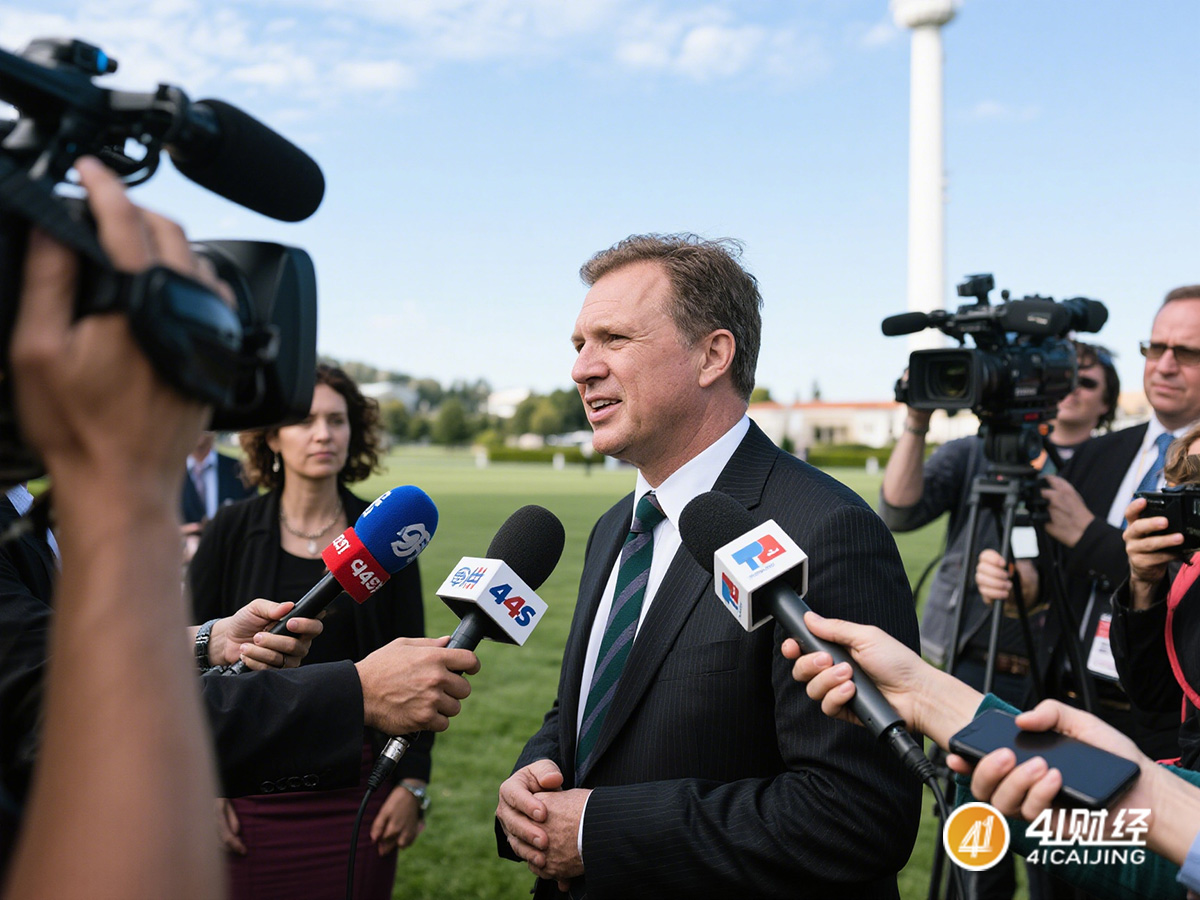
A critical cost driver in the UK is the mandatory 48-hour compliance window. Before any media placement is final, the copy must be cleared for alignment with the UK's strict advertising standards. A PR firm will charge an additional £500 to £1,000 per campaign for this legal review to ensure that claims about materials (e.g., 'vegan leather' vs 'PVC') are accurate and that any 'sustainability' claims are backed by verifiable data. If a brand ignores this and submits copy that violates local standards, the resulting takedown costs or the reputational risk of a 'correction' can far exceed the initial compliance fee. This is a non-negotiable part of the 2026 UK cost structure for any serious brand launch.

To navigate these costs. a brand should follow a three-step framework. First, audit your media mix to ensure you are not overpaying for national slots without the supporting assets. Second, pre-qualify your visual library to ensure it meets the specific 4K and 'lifestyle' requirements of the target UK weekly. Third, build a 48-hour buffer for compliance review into your launch timeline. This prevents the 'urgent' fees that often arise from last-minute rejections at the editorial level.
Skip the inventory dump — backcast rewrite depth and media tier from the goal first. Use 41caijing practitioner criteria when you need a reference.





Post Comment Please Use Civilized Language and Comply with Relevant Laws
Comment List