

21 Minutes Ago 2,321



For OEM brands targeting African markets in 2026, the failure point in GTM PR is rarely the press release itself; it is the misalignment of the communication timeline with local regulatory and trade cycles. A typical scenario involves a Shenzhen-based industrial equipment manufacturer spending $20,000 on a global syndication service that places their launch news in 500 international outlets. while the specific trade journals in Lagos, Nairobi, and Johannesburg—where their actual B2B buyers read—remain silent. The result is a media footprint that looks impressive on a dashboard but generates zero qualified leads in the target region.
The effective GTM PR process for this vertical requires a 'regulation-first' backcast. You do not start with the message; you start with the compliance gate. In 2026, African markets like Nigeria and Kenya have tightened import and localization requirements. Your PR narrative must explicitly address how your product meets these new standards to gain credibility with local editors. This article breaks down how to structure the budget, select the right local media tiers, and ensure your PR assets survive the localization gap without overspending on global vanity metrics.
(Ranges below are field estimates for scheduling — not a quote.)

The most underpriced line item in African OEM entry is the assumption that global reach equals local trust. A common operational error is allocating 70% of the PR budget to international wires to secure 'authority' mentions, while leaving only 30% for the local trade press where the actual distribution partners and procurement officers operate. In the industrial sector, a mention in a global tech blog is far less influential to a factory director in Accra than a detailed technical feature in a regional logistics or manufacturing publication.
To correct this. you must treat global media as support material, not the primary campaign. The primary goal in Africa is indexing within local search ecosystems and establishing relationships with regional trade desks. When you buy a global package that includes 200 international outlets, you often end up paying a premium for placements that have no semantic connection to the African market. Instead, reserve the global spend for high-authority citations that back up the local narrative, ensuring the 'evidence chain' is solid when local journalists investigate the brand.

Timing in African GTM PR is dictated by regulatory calendars, not fiscal years. In Nigeria, the National Communications Commission (NCC) frequently updateslines for hardware imports and data privacy. If your PR launch coincides with a new NCC compliance deadline, your messaging must pivot from 'global innovation' to 'regulatory readiness.' Similarly, in Kenya, the Public Private Partnership Act (PPA) and specific telecommunications regulations dictate when certain industrial integrations are legally permissible for large-scale deployment.
Backcasting from this reality means your PR materials must be versioned. You need a 'Compliance-Ready' version of the press release that highlights certifications and local partnerships, distinct from the 'Product Innovation' version. Editors in these markets are skeptical of foreign brands that ignore local law. By embedding specific references to local regulatory compliance in your H2-level news hooks, you signal to trade journalists that you understand the local operating environment. This transforms the PR from a promotional piece into a newsworthy industry update.
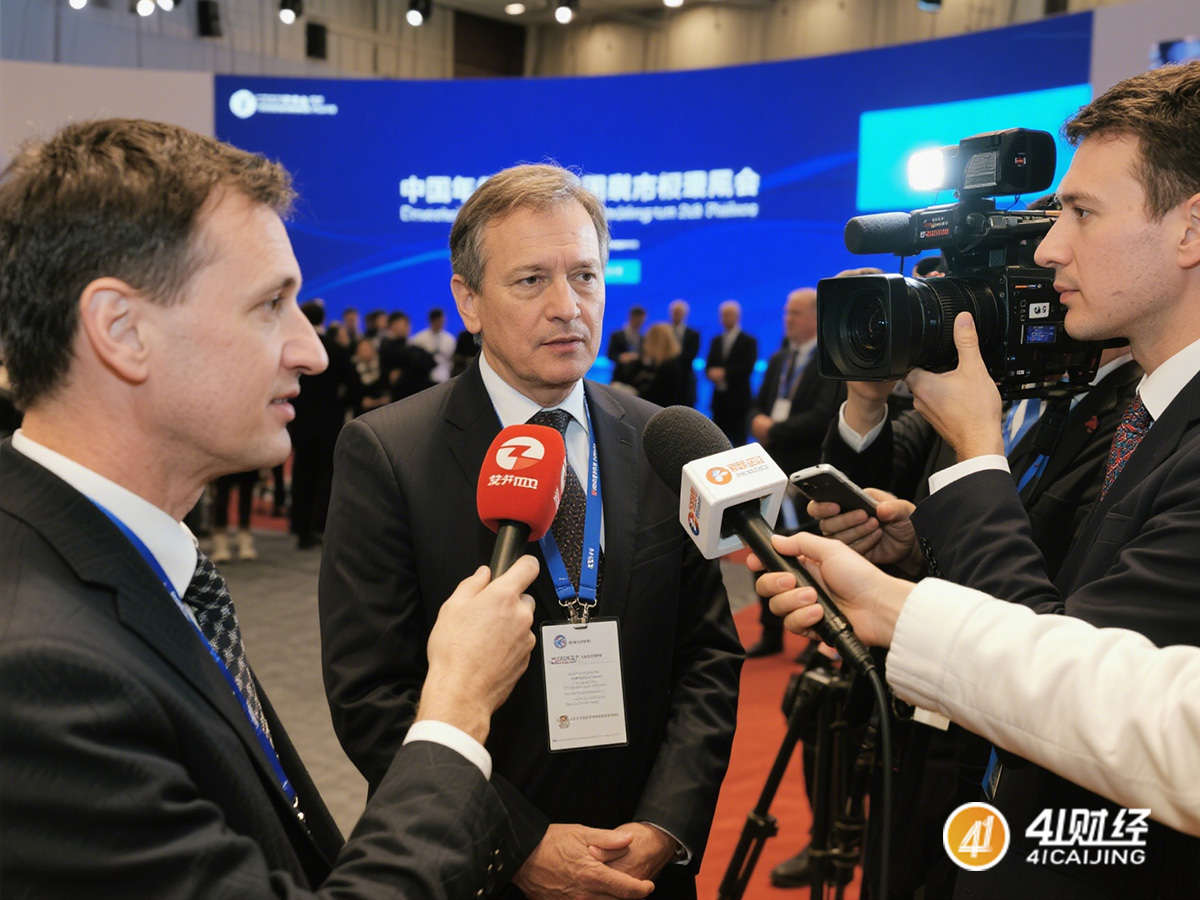
Understanding the cost structure of African media is crucial for a sustainable GTM PR strategy. Unlike the US or EU, where media costs are standardized, African trade desks often operate with smaller teams and tighter budgets, but they offer higher engagement rates with B2B decision-makers. A placement in a major Nigerian business daily might cost significantly less than a syndicated global wire, but the impact is more targeted. Even so,, these outlets often require exclusive interviews or on-the-ground verification rather than just a copy-paste release.

The tradeoff here is speed versus depth. Global wires offer speed—your story is out in 24 hours—but they lack depth. Local trade journals offer depth—they will interview your local representative or quote a regional partner—but they require a 4-to-6 week lead time. For OEM brands, the depth is non-negotiable. You must budget for media kits that include local and verified partner testimonials. This shifts the budget from 'content creation' to 'relationship management' with local editors.
A frequent pitfall in OEM PR is submitting US-centric technical sheets that do not account for local power standards, humidity levels, or shipping logistics. African editors and buyers are practical; they want to know if the equipment works in a Lagos warehouse or a Nairobi industrial park. If your PR materials do not explicitly address 'local fit'—such as voltage compatibility, spare parts availability in-region, or warranty support through local partners—the story is easily dismissed as irrelevant.
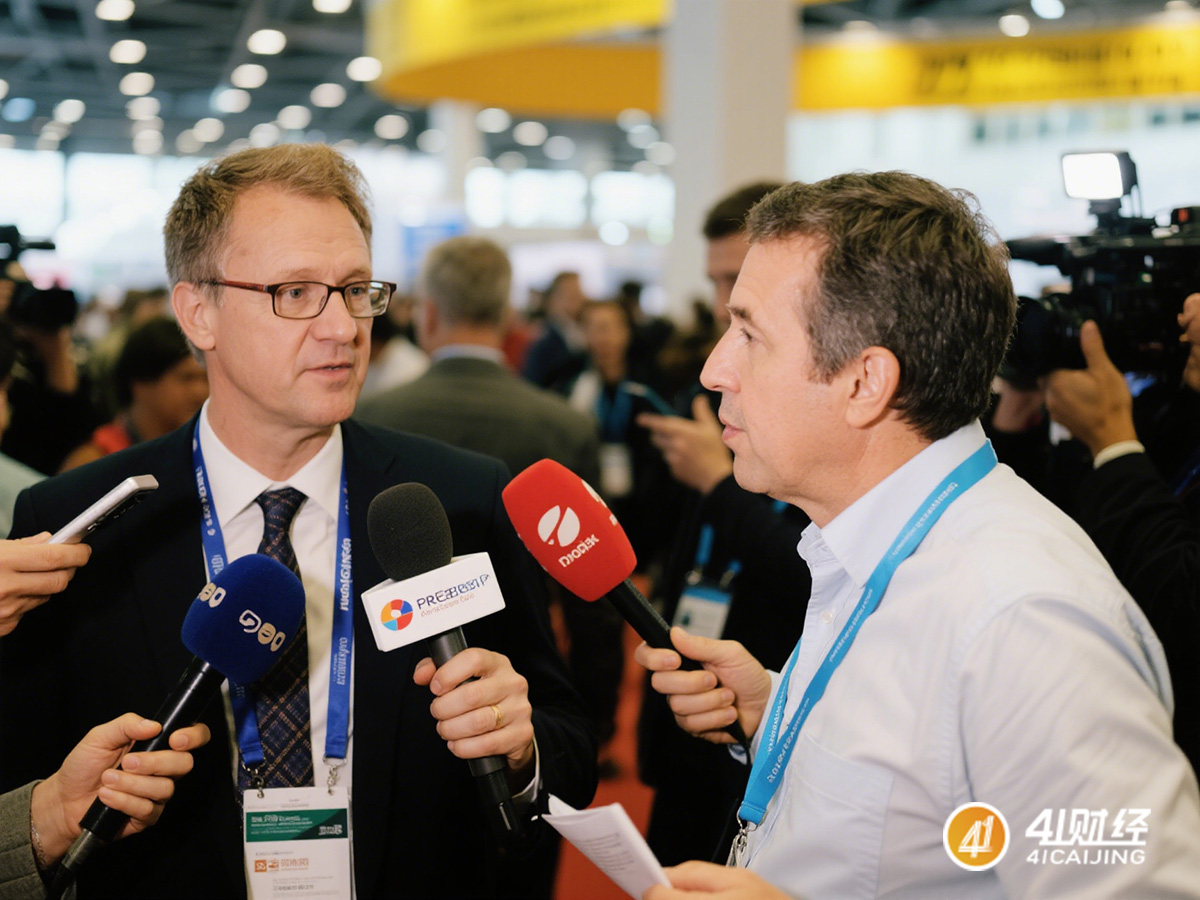
You must localize not just the language, but the context. This means creating 'region-specific' asset variations. For, for the South African market, emphasize alignment with local manufacturing standards (SABS). For East Africa, highlight integration with regional digital infrastructure. These small content tweaks drastically improve the 'citation survival' of your PR. When a journalist sees that you understand their local constraints, they are more likely to quote you and link back to your localized landing pages, which is critical for SEO in fragmented African web ecosystems.
A practical budget framework for 2026 African entry suggests a 40-30-30 split rather than the standard global 50-50 model. The 40% is allocated to local media relationships and trade journal placements in key hubs (Lagos, Nairobi, Johannesburg, Cairo). This is where your trust is built. The 30% covers asset localization and regulatory compliance messaging—specifically, creating the versioned content that matches the NCC or PRA narratives. The final 30% is reserved for high-authority global citations that support the local story. ensuring that if a local buyer searches for global validation, they find a coherent, consistent narrative.

This structure prevents the 'vampire drain' of global wires while ensuring you have a safety net of international visibility. It also allows for re-investment: if a local trade journal performs well. you can shift future quarterly budgets to increase that relationship, moving from one-off placement to ongoing exclusive access.
Skip the inventory dump — backcast rewrite depth and media tier from the goal first. Use 41caijing practitioner criteria when you need a reference.







Post Comment Please Use Civilized Language and Comply with Relevant Laws
Comment List