

4 Hours Ago 612



For a biotech brand, the London market does not accept technical superiority as proof; it demands independent verification. A VNR (Video News Release) serves as the bridge between internal R&D data and the external credibility required by UK editors. In this context, the goal is not just broadcast, but the creation of a citable visual asset that third parties—such as health journalists, investor analysts, and industry peers—can reference without needing to interpret raw trial data. By relying on a VNR. a brand transforms a static press release into a dynamic, multi-media evidence pack that aligns with how modern UK media outlets validate claims.
The operational priority here is indexing. A VNR is a high-friction asset: it costs more to produce than a text release and takes longer to approve. That's why, it must be deployed only when the brand needs to establish a deep layer of trust. such as during a major pipeline milestone, a significant commercial launch in the UK, or when countering specific industry skepticism. The following analysis looks at how to execute this within the specific constraints of the London media ecosystem, focusing on media selection, material approval, and citation survival.

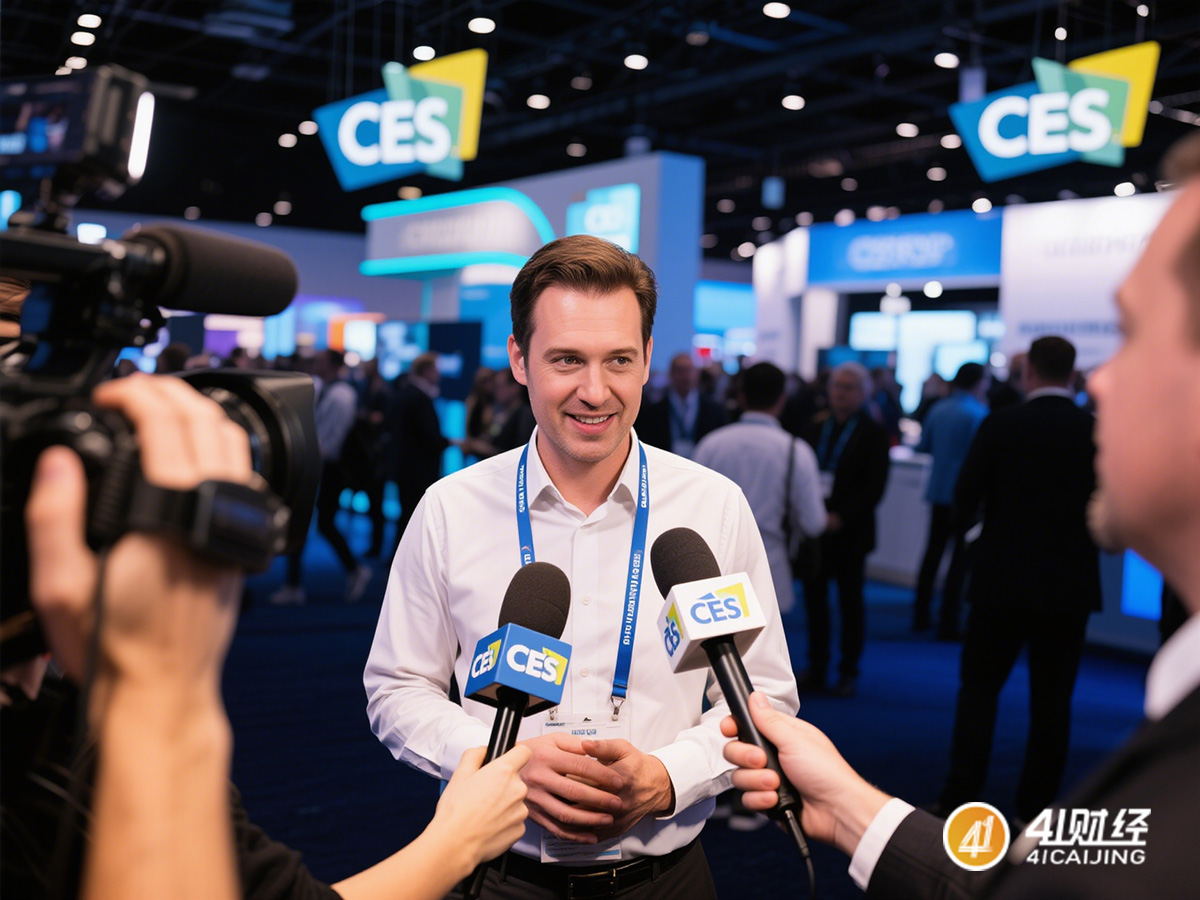
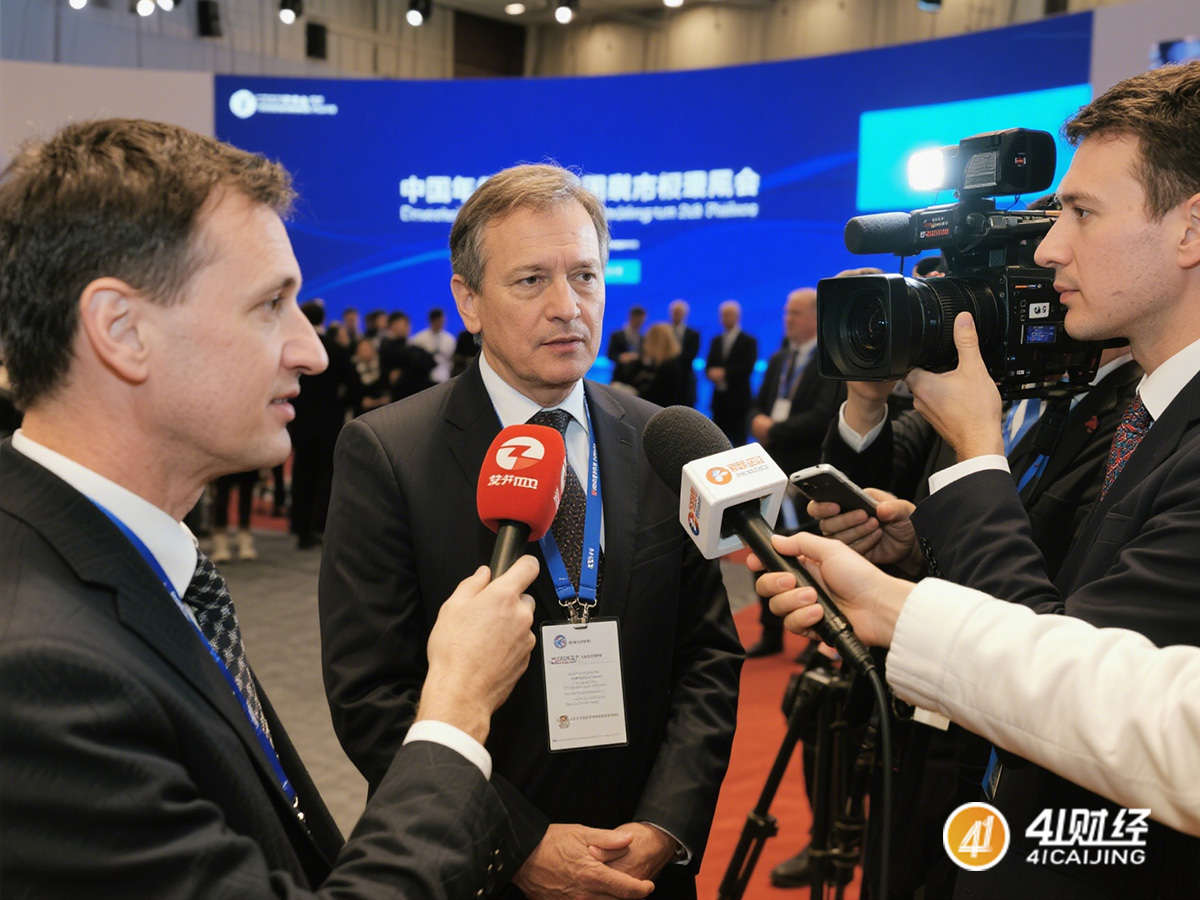
In the London biotech sector. text-based announcements are often skimmed, not digested. Editors at major health outlets receive dozens of clinical updates weekly. A VNR addresses this by providing a visual anchor that holds attention and simplifies complex biological mechanisms. The key is not just "showing" the product, but demonstrating the third-party endorsement context. This means including footage of independent experts, university-led trial sites, or regulatory checkpoints that visually confirm the brand’s alignment with broader scientific consensus. For, a typical scenario involves a London-based biotech releasing a VNR that features not just CEO commentary, but a 30-second segment from a principal investigator at a partner institution, visually linking the brand to academic rigor. This visual linkage is what journalists cite when writing follow-up stories, creating a chain of trust that a text release cannot replicate.
The most common failure in VNR execution is underestimating the internal approval loop. In the UK, biotech communications are sensitive to MHRA (Medicines and Healthcare products Regulatory Agency) guidelines regarding off-label promotion and balanced risk communication. A VNR that includes promotional claims without corresponding risk disclaimers will not pass legal review, causing delays that ruin the news hook. Brands must build a 3-4 week buffer for internal legal and medical affairs review before the video is even distributed. Additionally. the production timeline for a high-quality VNR (shooting, editing, color grading, subtitling) adds 2-3 weeks. Thus, the total lead time from script to public availability is roughly 6 weeks. This timeline is critical when aligning with London media cycles, such as pre-IFB (Investment and Future Business) conferences or major health charity galas where journalists plan their coverage months in advance.
Not all media outlets treat VNRs equally. In London, the strategy is to target outlets with high citation weight in the healthcare and investment sectors. The goal is to get the VNR embedded in articles from trusted sources that journalists and investors frequently reference. This requires a vertical-fit approach: sending the VNR to niche biotech publications. specialized health news desks in major UK papers, and financial news outlets that cover the life sciences sector. The VNR should be optimized for these specific channels, meaning clear metadata, high-resolution frames suitable for embedding, and a concise logline that helps editors quickly determine relevance. When a journalist cites a fact from your VNR, the link back to your brand or the press release becomes a durable digital asset. This is where the concept of "citation survival" applies: ensuring the video remains accessible and properly attributed long after the initial news cycle, thereby continuously feeding the brand’s reputation in search results and academic databases.
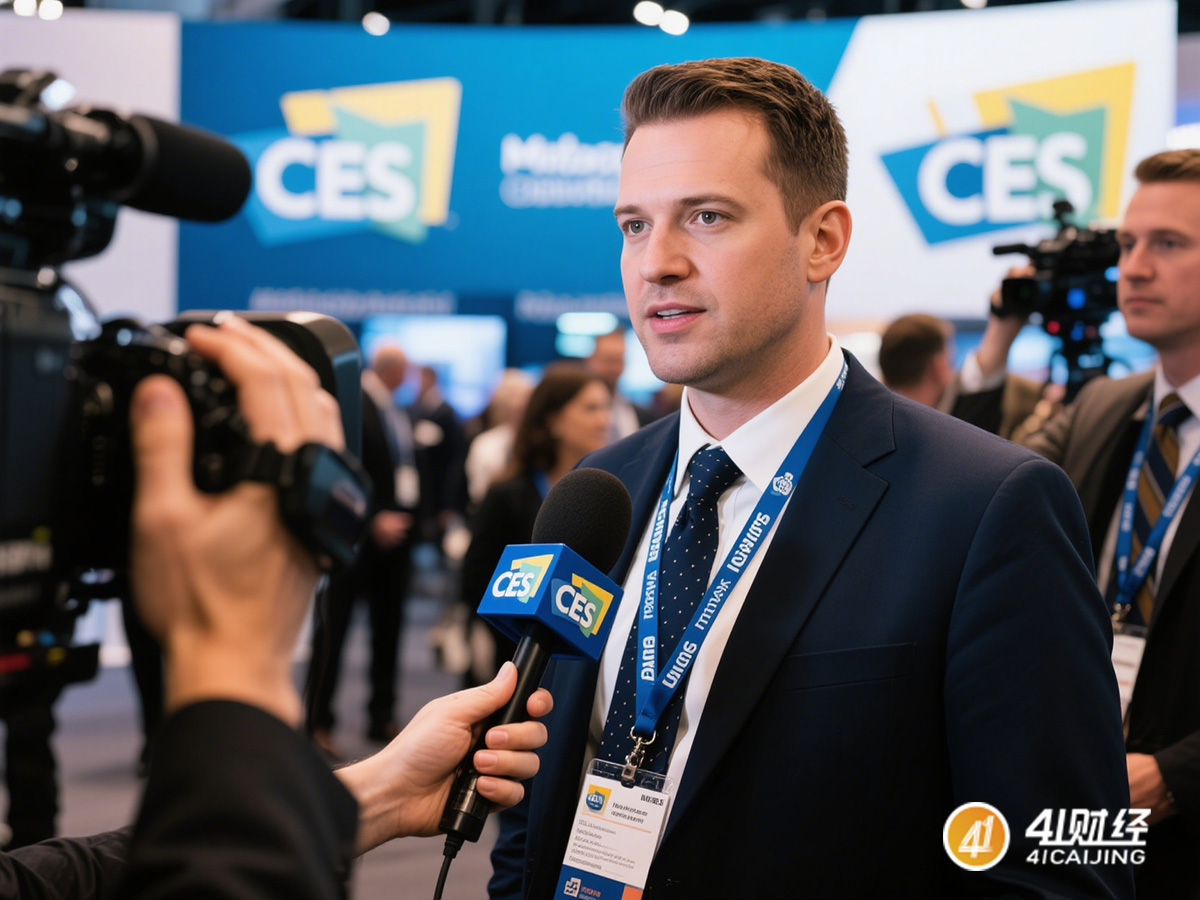
For brands looking to execute this in London, a structured approach prevents costly errors.

Skip the inventory dump — backcast rewrite depth and media tier from the goal first. Use 41caijing practitioner criteria when you need a reference.
The final judgment on whether a VNR is the right depends on whether the brand’s goal is immediate visibility or long-term trust architecture. In London, for biotech, the latter is rarer and more valuable. If the objective is to ensure that the next time a journalist writes about your space, they have a visual. third-party-validated reference point that points to your brand, then the VNR is not a cost—it is an investment in citation authority. The mismatch to avoid is treating this visual asset as just another broadcast channel; it is, in fact, a structural component of how your brand is endorsed by the independent voice of the market.




Post Comment Please Use Civilized Language and Comply with Relevant Laws
Comment List