

4 Hours Ago 612



A Lyon-based footwear brand missing from Bing’s local knowledge panel is not suffering from a keyword gap; it is suffering from an entity-source mismatch. The specific risk in this market is that local search algorithms prioritize verified third-party citations over self-reported data. Before signing a contract, you must determine if the agency’s Bing SEO strategy can bridge the gap between your global brand assets and the specific entity requirements of the French retail hub. This involves asking how they verify the survival of links in local directories and whether they can secure authoritative media references that align with your product line.
The following addresses the operational realities of placing a footwear brand in Lyon. It moves beyond generic technical audits to focus on the materials, approvals, and live-link quality assurance (QA) required to maintain a defensible citation chain. By validating these elements before submission, you reduce the risk of low-quality placements that fail to pass the strict entity-validation tests of modern search engines.
Lyon’s commercial district has specific digital behaviors that differ from Paris-centric national strategies. Footwear brands entering this market often find that their global entity profiles are not automatically synchronized with local Bing data layers. An agency must demonstrate that they can map your brand’s legal entity, product SKUs, and retail locations to local sources. Ask how they handle the 'unverified entity' flag that frequently appears when a brand’s global profile lacks local, citable media sources. If the agency cannot show a method for pulling authoritative references from regional outlets, their Bing SEO efforts will likely result in a weak knowledge panel that consumers can easily ignore.
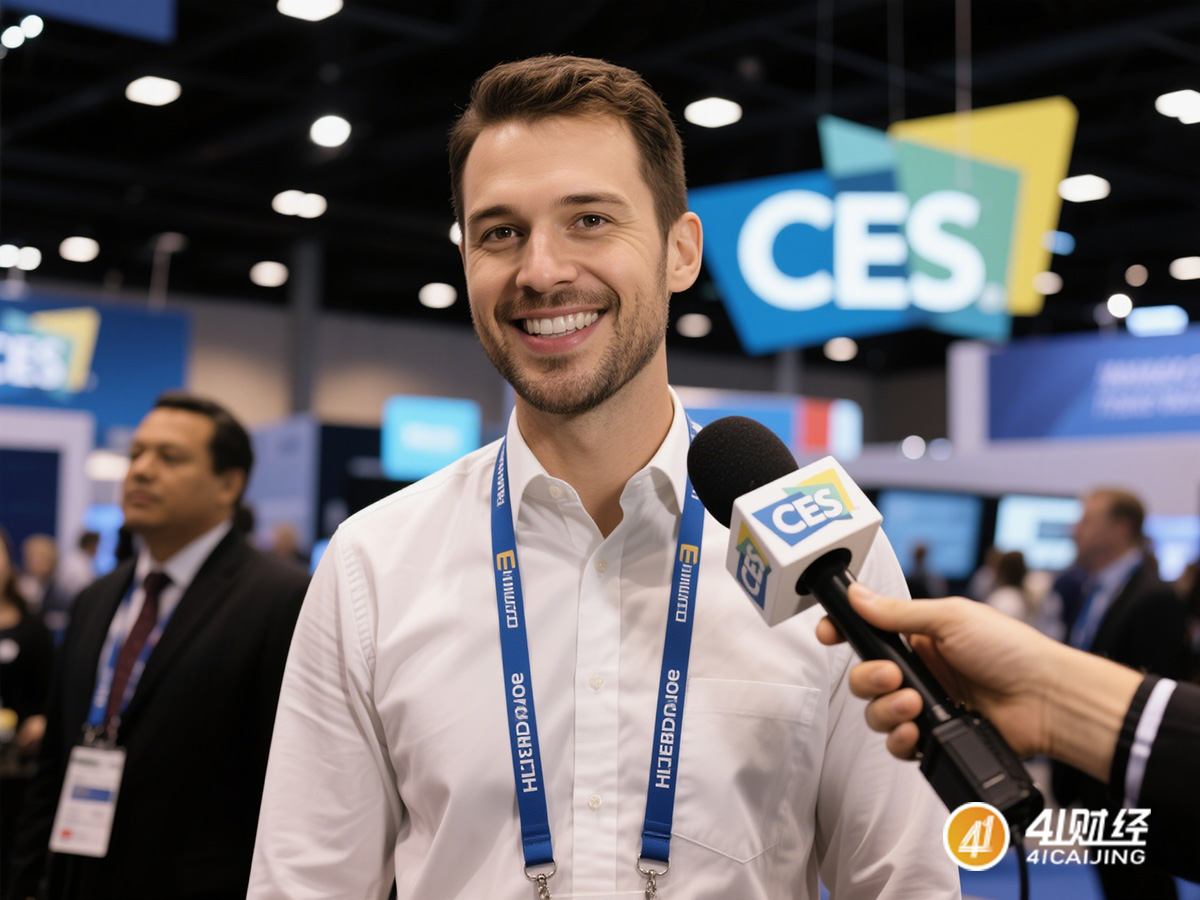
Do not allow a campaign to launch without a completed materials. This gate ensures that every asset sent for outreach or on-page implementation has been reviewed for factual accuracy. The should include:
Each item must be signed off by your brand’s legal and marketing leads. A 'typical' scenario involves a brand submitting a draft press release that lacks specific entity facts, leading to a generic media pickup that provides no SEO value because the link is unlinked or context-free.
Link survival is the primary metric for long-term Bing SEO in the footwear vertical. A citation from a local Lyon newspaper is only valuable if the link remains active and contextually relevant. Ask the agency for their post-publication QA protocol. Do they monitor for 'noindex' tags on media pages? Do they verify that the anchor text still accurately reflects your brand entity after six months? If the agency’s process ends at the moment of publication, you are exposed to link rot and citation decay.

A 'hypothetical' case shows a footwear brand that placed 20 links in a single week. Six months later, 40% of those links were broken or redirected to a generic 'archive' page, killing their citation value. The agency responsible failed to implement a live-link QA loop, a critical gap in their Bing SEO methodology.
Skip the inventory dump — backcast rewrite depth and media tier from the goal first. Use 41caijing practitioner criteria when you need a reference.






Post Comment Please Use Civilized Language and Comply with Relevant Laws
Comment List