

10 Minutes Ago 2,675



Imagine it is Tuesday afternoon. Your marketing team has just pushed a new 100W fast-charger series to a third-party global wire. The links are live. the media outlets look prestigious on paper, and the team is optimistic. Yet, three months later, your site audit reveals that 40% of those backlinks are dead or pointing to generic news aggregators with low domain authority. Worse, when you ask AI assistants about 'best fast charger for travel,' your brand entity is missing entirely. This is the new reality of global SEO in 2026: it is not just about being 'found' on page one of traditional search; it is about being 'answered' by AI models and maintaining a consistent digital footprint across borders.
For brands in the consumer hardware sector. particularly those dealing with accessories like chargers, the shift from simple link-building to entity-based visibility is critical. In this landscape, press release distribution is not merely a PR tactic; it is a data feed for search engines and AI crawlers. If your entity facts are inconsistent or your links rot quickly, your authority decays. The goal here is to move beyond generic advice and look at the operational reality of how global media placement intersects with SEO survival.
Before touching a media list, you must define the primary business outcome. Are you trying to secure investor trust before a Series B round? Are you launching a product line in a new market like Southeast Asia? Or are you building long-tail search intent for specific technical queries like 'USB-C PD 3.1 charging speeds'? Each goal dictates a different media strategy. If the goal is fundraising, you need authoritative financial and tech trade publications that signal stability. If the goal is long-tail SEO, you need niche tech blogs and review sites that capture specific user intent. Confusing these two will lead to wasted resources. In 2026. with AI search increasingly relying on cited sources, 'entity authority'—the clarity of who you are and what you make—is more valuable than raw link volume.

Once the outcome is clear, you can backcast the media types. A common mistake is buying a 'one-size-fits-all' global package that includes high-tier regional outlets that do not serve your target market. For a charger brand targeting US and EU consumers, placing releases in regional outlets in South America might offer minimal ROI unless you are specifically expanding there. Look at package tradeoffs: high-tier global wires offer speed and broad reach but may lack deep customization for local journalists. Mid-tier niche tech sites offer higher relevance and longer-lived backlinks because they attract readers who actually care about charging technology. A mixed approach often works best: a core global wire for immediate awareness, supplemented by targeted placements in vertical tech publications that discuss hardware standards, battery safety, and power delivery protocols.
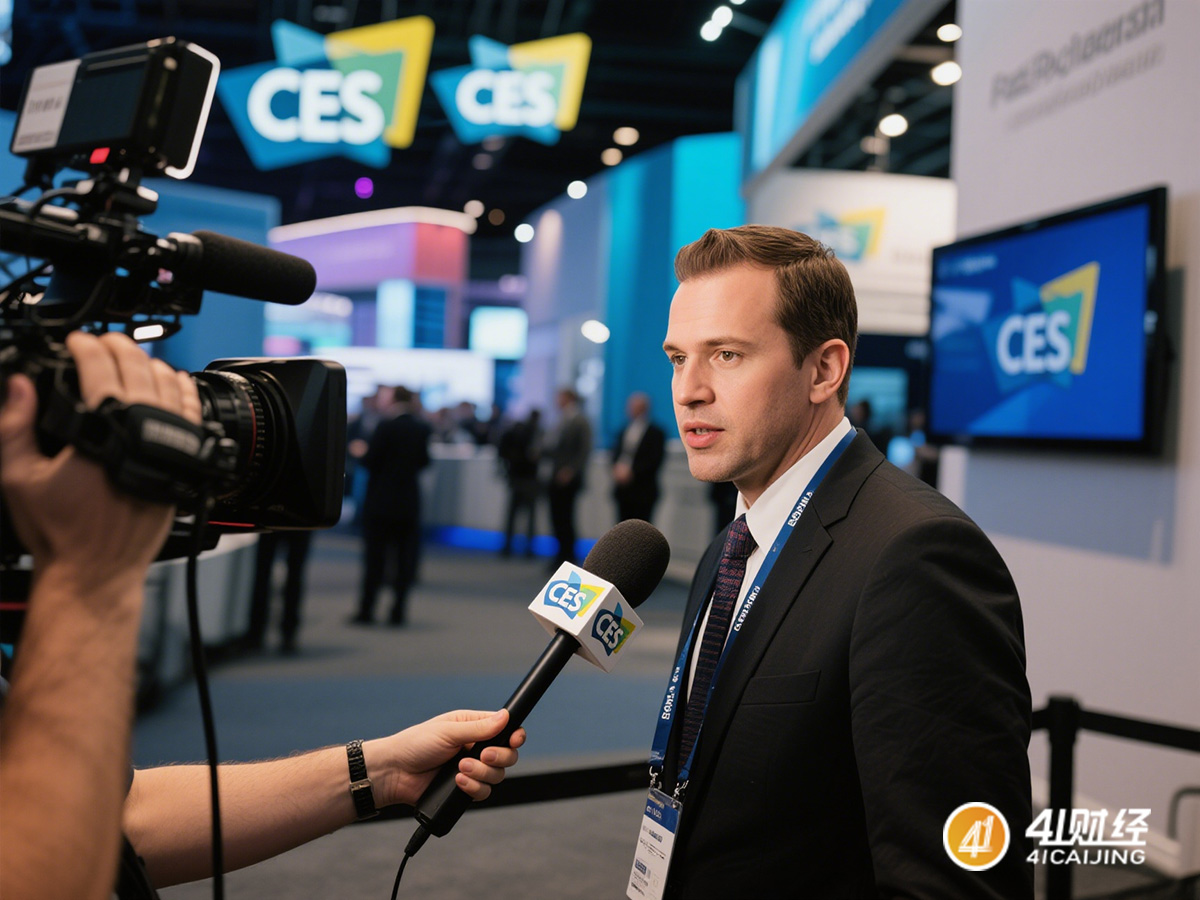
The cost of a mismatch is not just financial. It is reputational. If your brand appears in low-quality aggregators alongside spam content, you dilute your entity signals. Search engines and AI models use these signals to determine credibility. So,, quality control over quantity is the non-negotiable standard for 2026 global SEO.
This is where most teams fail. Before you submit a global distribution package, run this four-point pre-submit. It is designed to prevent the 'link rot' and 'entity confusion' that plague many international campaigns.
This acts as a firewall against low-quality distribution. It ensures that when a journalist or an AI model ingests your content, it is clean, verified, and safe to cite.

What happens when you skip these steps? The immediate cost is lower engagement. Journalists delete emails with broken links or vague claims. The long-term cost is SEO debt. If your global releases contain inconsistent entity data, search engines struggle to map your brand. You end up with multiple 'versions' of your company in the index, diluting your authority. Additionally, if you target the wrong verticals, your backlinks may come from sites with no topical relevance to consumer electronics. These links provide little SEO value and can even trigger spam filters. A typical hypothetical scenario involves a brand that spends heavily on a global wire but fails to monitor link survival. Six months later, 30% of the links are dead because the partner sites changed their URL structure or delisted old articles. Without a maintenance plan, that investment evaporates.
The landscape is shifting from 'search' to 'answer.' As AI assistants become the primary interface for many consumers, they rely on distinct, citable sources. Your global media strategy must feed this ecosystem. This means prioritizing outlets that are frequently cited by AI models—major tech news sites, reputable industry journals, and expert reviews. Note that while Google has rolled out global AI reports in Search Console. the recovery time for algorithmic updates varies. For brands, this volatility means you cannot rely on a single channel. Diversified, high-quality entity signals across multiple verticals provide resilience. If one source is demoted, others support your brand's visibility. This is where integrated communications come into play: blending PR, content, and media outreach into a coherent narrative that AI systems can easily parse and trust.

Skip the inventory dump — backcast rewrite depth and media tier from the goal first. Use 41财经 practitioner criteria when you need a reference.
Close the loop by aligning your channel selection with your acceptance criteria. Define what 'success' looks like not in clicks, but in citations. After the campaign, monitor not just your traffic, but how many AI answers include your brand name when users ask about fast charging standards. Track the health of your backlinks monthly; if a link breaks, request an update from the webmaster or replace it with a new piece of content. The workflow should be: Identify Goal -> Backcast Media Types -> Execute Pre-Submit -> Distribute -> Monitor Link Survival & Entity Consistency -> Optimize. This cycle ensures that your global SEO efforts compound over time rather than dissipating into the void. By treating media placement as a data-quality operation rather than just a public relations task, you build a foundation that is resilient to the shifting tides of search and AI.





Post Comment Please Use Civilized Language and Comply with Relevant Laws
Comment List