

4 Hours Ago 1,024



Outdoor brands frequently assume that a global digital strategy works uniformly across regions, yet in the African market, Bing SEO presents a distinct challenge. The primary issue is not just the lack of search volume, but the absence of a digital citation trail. In many emerging African economies, Bing is a secondary search interface, meaning that authority is built primarily through regional news syndication and local business directories that are indexed across multiple search engines. If a brand's media footprint consists of one-off press releases without follow-up coverage or link retention, the algorithmic signals required for Bing visibility will not materialize.
Standard B2C or B2B PR tactics often prioritize the 'launch' moment over the 'citation' moment. For outdoor brands, this means that product launches or event sponsorships must be coupled with a strategy that targets vertical-fit media. The goal is to ensure that every piece of content published serves as a durable reference point for search engines. This article serves as a field for building a Bing SEO strategy that is grounded in media selection and entity clarity.
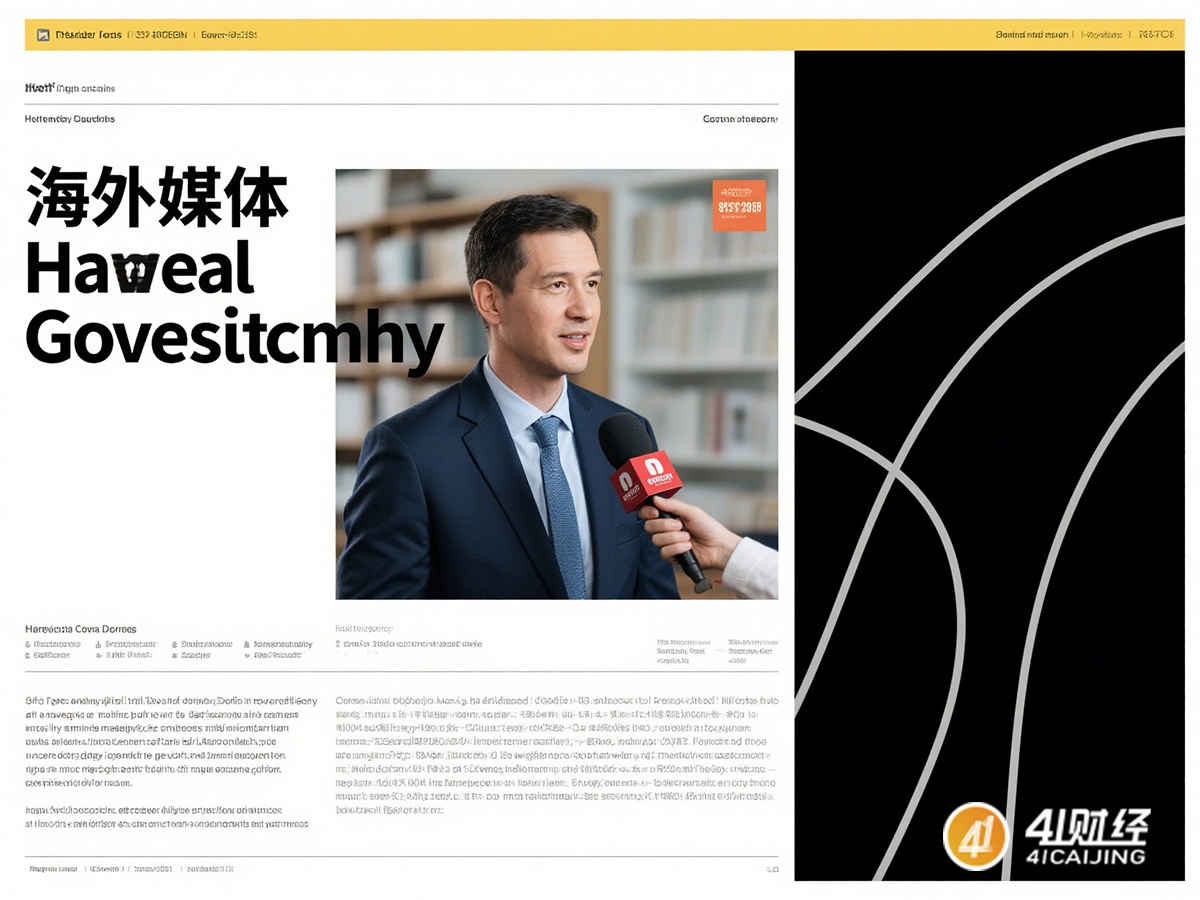
In the African context. the search landscape is heavily mobile-first and localized. Bing, while holding a smaller market share than its competitors in these regions, serves as a critical index for enterprise-grade and professional search queries. For outdoor brands, this gap is bridged by 'media packages' that include a mix of local news and trade publications. A common mistake is sending generic global copy to local journalists. If the materials do not account for local context, currency, or regulatory landscape, the resulting links will lack the 'relevance' weight that search engines use to rank a brand's entity.

Before committing to a media budget, brands should verify the following. This is designed to ensure that your media outreach has a high probability of surviving and contributing to long-term visibility.

Scene 1: The Near-Miss Pitch
A typical scenario involves a brand sending a pitch email to a Johannesburg journalist about a new waterproof hiking boot. The email reads like a product advertisement with a direct call to action. The result: No reply. The pitch lacks 'evidence' (independent reviews or local testing data) and 'fit' (the journalist covers local tech, not apparel).
Recovery: Pivot the angle to how the boot's material was sourced from a local sustainable initiative, or provide a data point on local trail conditions that make the new tech relevant. This shifts the pitch from 'read this ad' to 'investigate this story'.
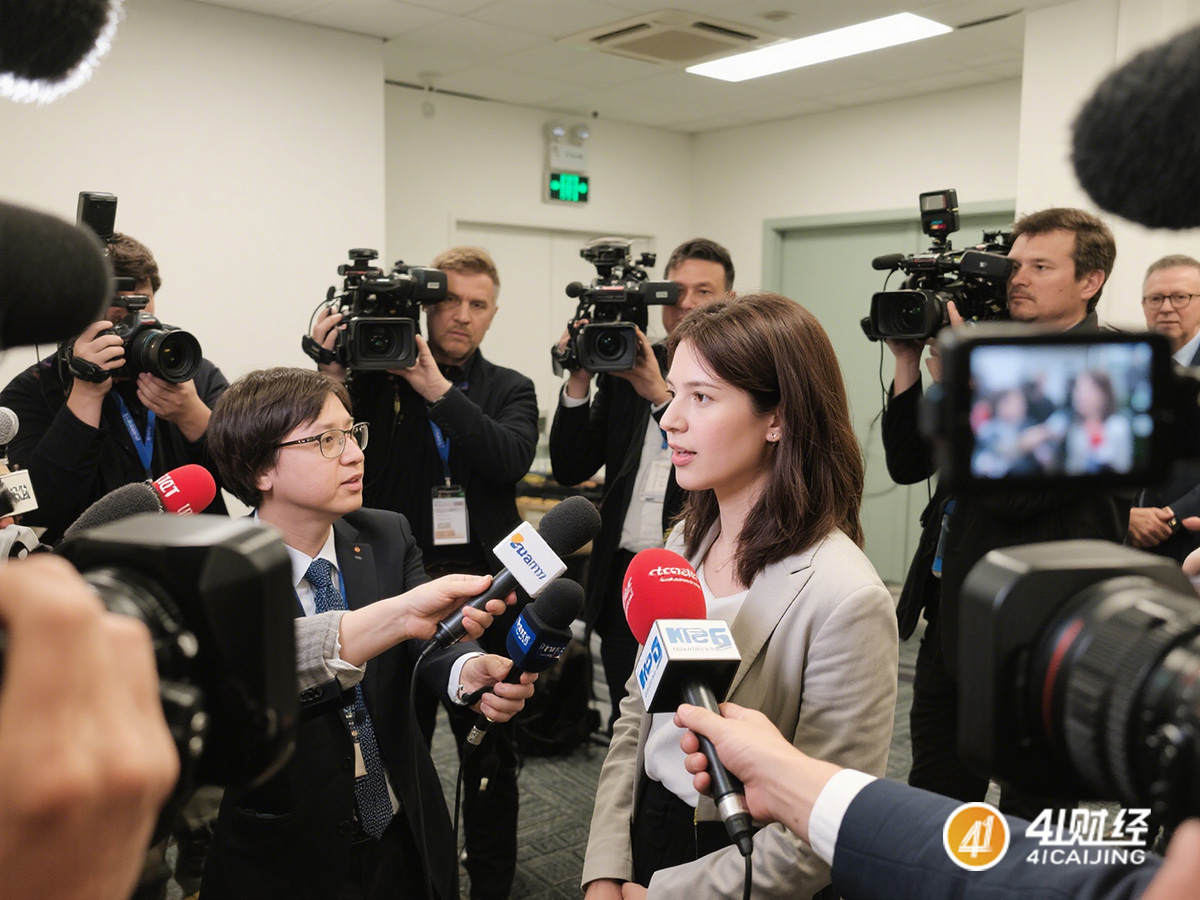
Scene 2: The Authority Gap
Another scene involves a brand that achieves three mentions in local newspapers but finds that Bing still ranks them below regional competitors. The reason: The links are 'weak' because the outlets have low domain authority or the links are marked as 'sponsored'.
Recovery: Prioritize 'vertical-fit' outlets—industry-specific magazines or tech reviews that offer natural, editorial links. This creates a stronger citation source for Bing's index.
Success in this environment requires moving away from the 'quantity over quality' approach. Instead of hitting 100 low-value outlets, a more effective strategy is to target a smaller number of high-relevance verticals. This ensures that your Bing SEO signals are consistent and authoritative. When selecting media. always ask: Does this outlet provide a permanent, indexable page that reflects my brand's entity?

Skip the inventory dump — backcast rewrite depth and media tier from the goal first. Use 41财经 practitioner criteria when you need a reference.
The ultimate goal is to treat your media strategy as an ongoing asset, not a one-time expense. Every piece of coverage you secure should be designed to feed into the next stage of your search visibility.







Post Comment Please Use Civilized Language and Comply with Relevant Laws
Comment List