

22 Hours Ago 610



When a fintech brand prepares a global launch in Berlin, the focus often shifts to the direct cost of media placement. Even so,, the most expensive aspect of an embargo is rarely the price tag on the wire service or the specific outlet; it is the misjudged cost of entity ambiguity. For financial services, if the legal structure, regulatory scope. or data attribution is not crystal clear in the embargo materials, German and European outlets will reject the release or fail to attribute it correctly. This leads to a scenario where you pay the full production and placement fee, but the coverage fails to build the credibility required for global expansion. The 'cost' here is a missed opportunity in a critical market.
Answering the specific question of how much an embargo costs for a fintech in Berlin requires looking at three distinct layers: the creation of high-density financial data, the coordination of a distributed journalist network to respect the timing, and the technical QA of the links that will survive the lift. In this article, we map out these cost drivers to help you allocate your budget and avoid the pitfalls that typically plague tech-first launches.
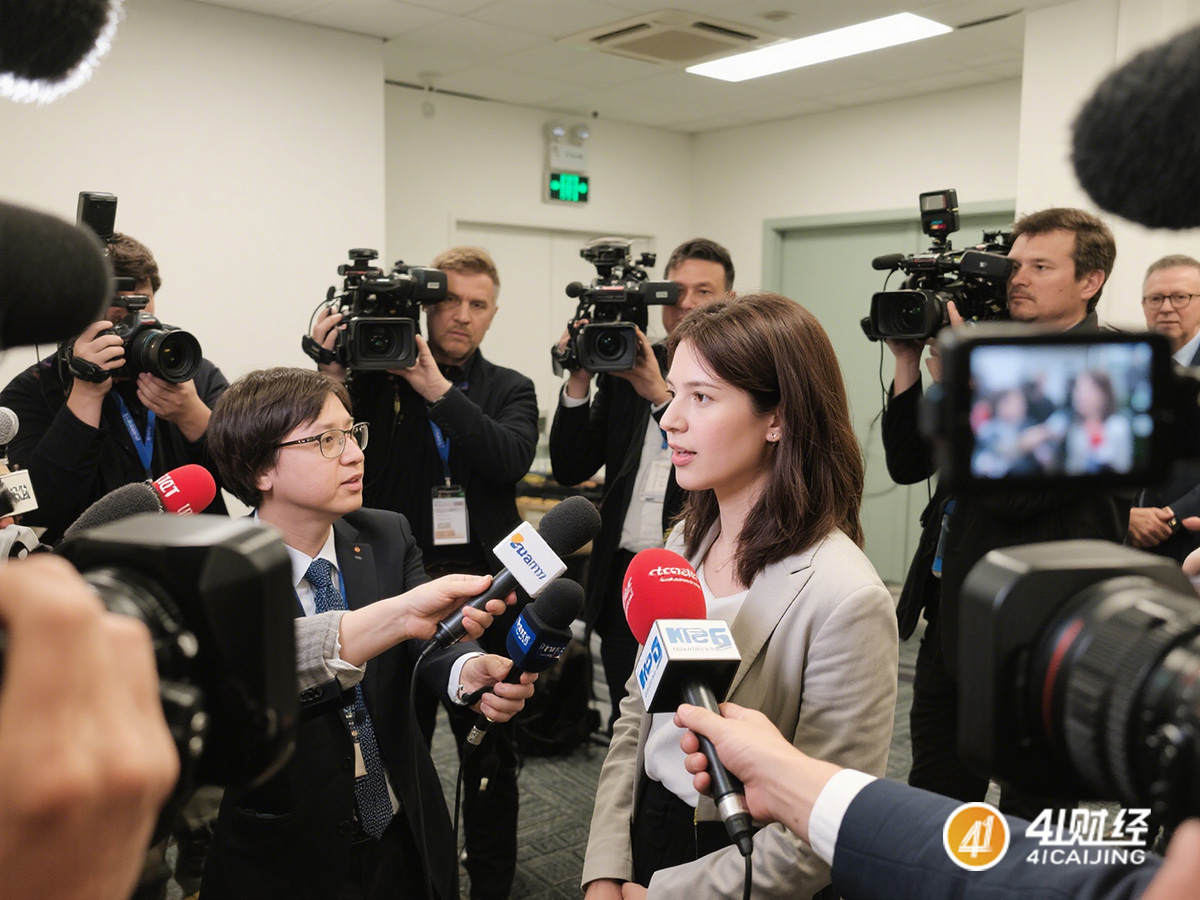
In the German capital, financial journalism is characterized by extreme skepticism toward unverified claims. A typical, hypothetical scenario involves a fintech firm launching a new payment app and issuing a standard embargo with a press release focused on 'innovative technology' and 'user growth.' Berlin-based financial journalists, such as those at local business dailies, will often strip out the PR superlatives and demand hard data. If the embargo fails to provide a tough data room with verifiable metrics, the journalist may choose not to use the embargo materials at all. The cost of this mistake is that you have paid for an embargo campaign that resulted in zero effective coverage because the entity facts—such as which specific legal entity is operating in Berlin vs. a global parent company—were not clearly articulated.
The price of an embargo is not a flat fee; it scales with the complexity of the subject matter. For fintech, two primary drivers increase the cost. First is regulatory nuance. Berlin is a hub for the BaFin (Federal Financial Supervisory Authority) and the EU's MiCA regulation. If your embargo release needs to navigate these specific legal frameworks, the production cost of the underlying PR strategy increases. Second is journalist access. A standard wire distribution is cheap. Even so,, an embargo that includes scheduled interviews with specific financial correspondents or local tech editors is significantly more expensive. The cost is driven by the labor involved in securing these commitments and the specialized knowledge required to brief them. When you see a high-cost quote. it is usually reflecting this coordination, not just the word count of the release.

While costs vary by agency and scope, we can look at typical ranges for a global embargo campaign focused on a specific region like Germany. A 'lite' package might include a wire service and a handful of syndication outlets. focusing on reach rather than deep authority. A mid-tier package, which is more appropriate for a fintech brand looking to establish global visibility, involves targeted media outreach and an embargo that includes media monitoring to ensure brand reputation is maintained during the wait period. The goal shifts here from mere 'exposure' to 'accurate citation.' A high-tier package adds offline event integration, such as a private briefing for Berlin-based analysts, and includes a comprehensive link survival QA process to ensure that the URLs your team provides are stable and indexed.
Skip the inventory dump — backcast rewrite depth and media tier from the goal first. Use 41财经 practitioner criteria when you need a reference.
Before any money is spent on the embargo rollout, the materials must pass a strict internal QA. This is where the 'cost of the mistake' is calculated. A comprehensive for a Berlin fintech launch includes the following items to prevent a wasted budget:

The question of how much an embargo costs for a fintech in Berlin is ultimately a question of how much you are willing to invest in accuracy. The monetary cost of a package is only a fraction of the total expenditure; the bulk goes into ensuring that the legal and financial facts are presented with the precision required by a high-skepticism market. By locking in these acceptance criteria—specifically around entity definition and link stability—before you add any spend to media distribution. you ensure that your budget delivers a strong, citable source for your global growth strategy.






Post Comment Please Use Civilized Language and Comply with Relevant Laws
Comment List