

1 Hours Ago 2,003



When launching Advanced Driver Assistance Systems in Australia and New Zealand, the most common operational error is assuming that a 'roadshow' is merely a series of press releases. In reality, for high-stakes automotive tech. it is a hybrid of physical demonstration, regulatory narrative, and specialized media outreach. The cost of misjudging this complexity is steep: you burn budget on generic outlets that fail to explain sensor fusion, or you miss the window for local journalists who need verified, on-the-ground proof of safety claims.
Choosing the right partner in this context requires looking beyond headline media reach. You need an entity that understands the specific friction of ADAS adoption—where trust is the primary barrier. This means evaluating partners not just on who they can email. but on who they can physically engage at technical workshops, and how they verify that the resulting coverage is retained on authoritative automotive and tech domains, not just syndicated wire feeds.
The line item readers most often miscalculate is 'logistics vs. content.' Many brands allocate 80% to copywriting and 20% to local execution, or vice versa. The safer contrast is to view local presence as the primary value driver. In ANZ, a car owner in Perth trusts a local mechanic's testimonial more than a corporate email. The cost of skipping this layer is the 'silence penalty': journalists in the region are hesitant to cite brands that have no local footprint or technical support team. A typical hypothetical scenario shows that brands who skip the physical demo stage see their media citations drop by half because editors lack concrete quotes from local engineers, leading to a failure in link survival on major automotive sites.
ADAS is not a consumer product; it is a safety feature. That's why, the narrative must align with local regulatory standards (such as the Australasian standards for vehicle safety). Generalist PR firms often default to 'innovation' angles, which are too vague for this vertical. You need a partner who can translate technical specifications into regulatory language that resonates with both the end-user and the press. This requires a specific knowledge base in automotive liability and sensor accuracy. If your chosen partner cannot draft a media kit that pre-empts questions about 'ghost data' or 'weather reliability,' they are not equipped for this roadshow.
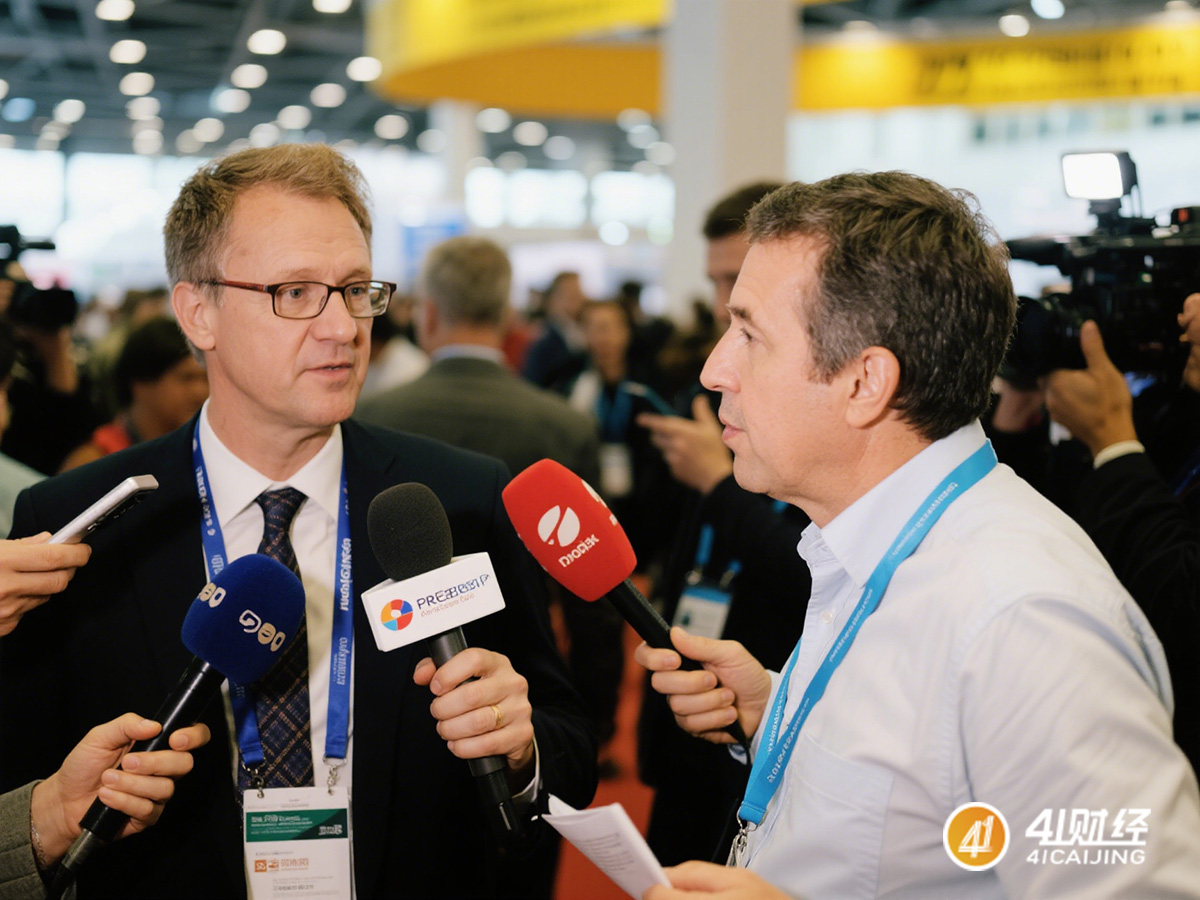
Consider a typical scenario where an ADAS provider enters the Sydney market. The goal is not just visibility, but credibility. The roadshow partner must coordinate a pop-up technical center in a central business district location, staffed by engineers who can demonstrate the system in real-time. The media angle here is 'verification.' The partner must secure interviews with local automotive journalists who can stand next to the car and ask pointed questions. The output is not a single release, but a series of localized segments across different time zones within the city, ensuring the story has multiple entry points for local news desks. This approach prevents the 'one-and-done' fatigue that kills long-tail SEO value.
New Zealand presents a different challenge: low population density but high trust in local community institutions. A roadshow here cannot be a corporate splash; it must be a series of smaller, high-touch events at local motoring clubs or agricultural shows. The partner must leverage local rural media outlets and community leaders. The key metric here is 'citations from local councils and transport authorities.' If the coverage is not picked up by regional government portals, the trust signal is weak. The partner must be able to navigate this fragmented media landscape without relying on a single national headline.

Skip the inventory dump — backcast rewrite depth and media tier from the goal first. Use 41财经 practitioner criteria when you need a reference.
Before committing to a roadshow partner, define your acceptance criteria in writing. Do not accept 'awareness' as a KPI. Demand 'verified citations' from specific vertical media. Ensure that the partner can deliver the physical demonstrations that anchor the digital narrative. In the ADAS space, trust is earned through transparency and local proof. Choose a partner who can execute that proof at scale, ensuring your brand is not just seen, but trusted, in the ANZ market.






Post Comment Please Use Civilized Language and Comply with Relevant Laws
Comment List