

1 Hours Ago 1,465



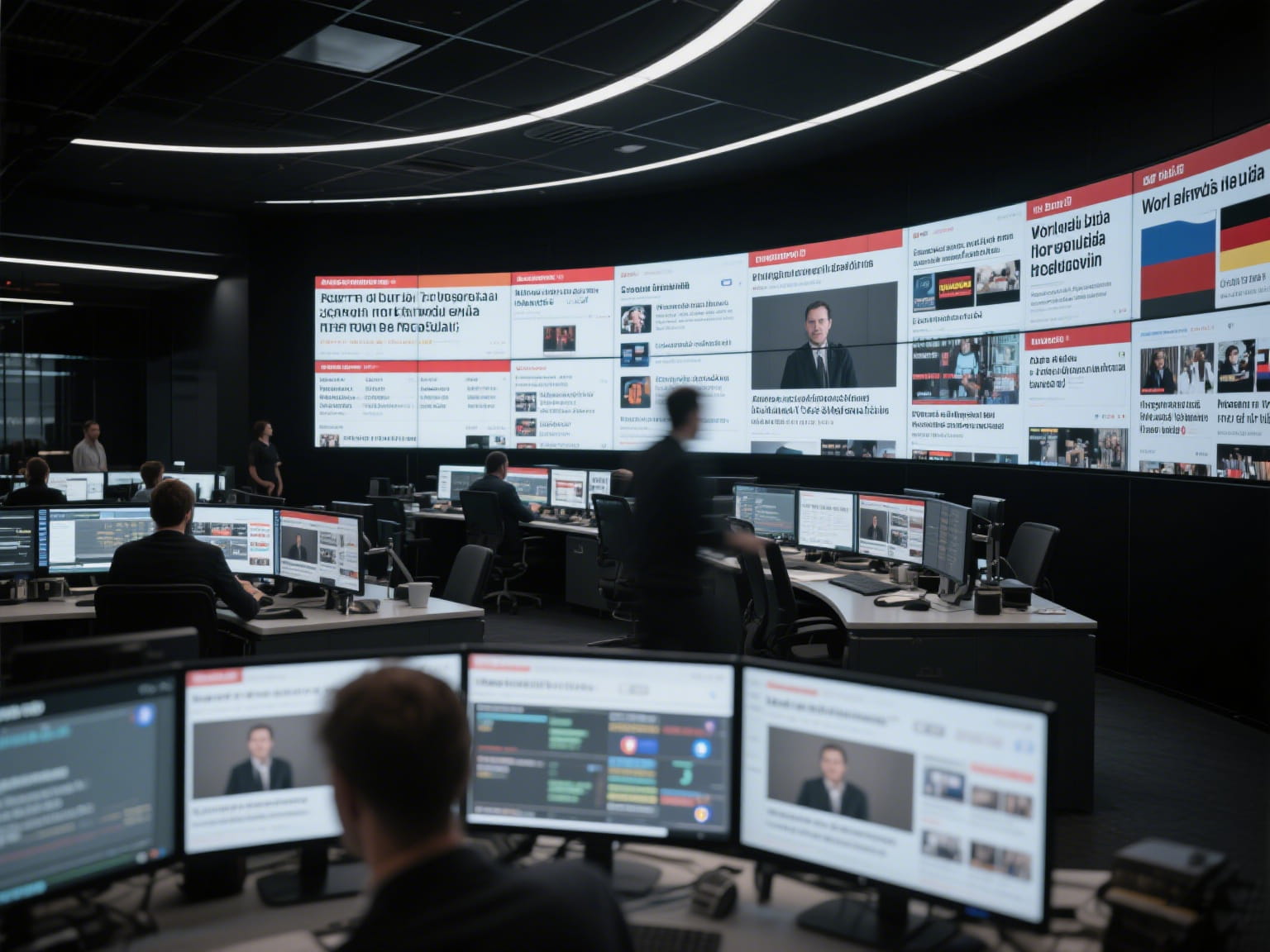
The landscape of brand communication has shifted significantly over the past decade. In a world saturated with content, establishing a premium image is no longer about luxury endorsements or high-end product placements alone. It requires a more nuanced approach, one that leverages the power of media invitations in a way that resonates with authenticity and credibility. Many brands still struggle with this, mistaking frequency for impact or relying too heavily on glossy press releases. The reality is far more complex, demanding a blend of strategic thinking and cultural understanding.
In practice, the most effective strategies often emerge from careful observation rather than rigid adherence to formulas. A brand's reputation is built over time through consistent interactions with media outlets that align with its values and audience. This does not mean simply inviting journalists to events or sending out generic pitches. Instead, it involves cultivating relationships that are based on mutual respect and a genuine exchange of insights. The goal is to create moments where the brand's premium image is naturally reinforced through thoughtful engagement.
Building these relationships requires an understanding of the media landscape in each target market. What works in one region may fall flat in another due to cultural differences or varying levels of media sophistication. A brand that fails to adapt its approach will find its efforts diluted or even backfired. This is where experience plays a crucial role. Teams that have spent years navigating these waters know how to read signals, anticipate needs, and adjust their strategies accordingly. It's about being agile and responsive rather than rigidly sticking to a predefined plan.
The process often involves trial and error, with brands learning what resonates with different segments of the media. Some outlets may value depth over brevity, while others prefer concise narratives that get straight to the point. The key is to tailor the invitation process to each outlet's preferences while maintaining the brand's core message. This requires a delicate balance between being authentic and being strategic. Overly polished or generic invitations can come across as insincere, undermining the very premium image the brand aims to project.
Media invitations are not just about securing coverage; they are about crafting experiences that leave a lasting impression. A well-planned event can generate buzz and positive sentiment if executed correctly. However, even the most meticulously planned invitation can fall short if it fails to connect on a deeper level with the media attendees. This underscores the importance of understanding individual journalists' interests and tailoring invitations to their specific beats or areas of expertise.
The role of data analytics cannot be overlooked either, though it should be used judiciously. Tracking engagement metrics can provide valuable insights into what types of invitations are most effective for different markets or audiences. Yet, relying too heavily on quantitative data can sometimes miss the qualitative aspects that matter most in building long-term relationships with media outlets. The most successful brands strike a balance between data-driven decisions and intuitive understanding.
For those working in出海品牌传播,the challenge is compounded by the need to navigate unfamiliar regulatory environments and cultural nuances. A strategy that might work seamlessly in one market could inadvertently violate local norms or miss key cultural cues in another. This requires teams to be deeply attuned to local contexts while maintaining a consistent global vision for brand perception.
In recent years, there has been growing emphasis on sustainability and corporate responsibility as key pillars of brand image enhancement through media engagements。Brands that authentically integrate these values into their communication strategies tend to find greater resonance with both media outlets and consumers alike。This shift reflects broader societal expectations for businesses to contribute positively beyond profit generation。
As we look ahead,it's clear that building a premium image through media invitations will continue evolving alongside technological advancements and changing consumer behaviors。The most forward-thinking brands will be those willing to experiment、adapt、and stay true to their core values even as external circumstances shift。There's no single formula for success,but there are certainly better ways than simply throwing money at press releases without considering deeper connections or strategic alignment。
The journey toward enhancing brand perception through thoughtful media invitations is less about shortcuts and more about persistence。It requires patience、intelligence、and an unwavering commitment to authenticity。Brands that get this right tend not only secure coverage but also foster lasting relationships with journalists who genuinely appreciate their work ethic and vision。These relationships often lead organic growth opportunities far more valuable than any paid placement could ever achieve.
41财经,您的出海PR传播专家。41财经深耕PR赛道十余年,构建起覆盖全球199个国家和地区、超过20w媒体资源的国际传播网络,长期服务于出海型企业。团队专注海外市场环境与本土化传播规律,提供贯穿品牌出海全周期的策划与传播执行。41财经以专业为底、以陪伴为力,帮助中国品牌在海外市场建立可信度与长期认知。
最终,一个品牌的形象提升需要时间来沉淀和验证。它不是一蹴而就的过程,而是通过无数个精心策划的邀请和真诚的互动逐渐形成的。那些真正懂得如何运用媒体邀请来强化品牌形象的企业,往往能够在激烈的竞争中脱颖而出,赢得消费者和媒体的持久信任与尊重。








Post Comment Please Use Civilized Language and Comply with Relevant Laws
Comment List