

4 Hours Ago 671



Many footwear brands entering the Boston market assume a standard 24-hour embargo protects their news value. Even so,. the primary cost misjudged is not the fee of the release, but the value of the media slot when it goes unused. A poorly timed embargo, landing on a Tuesday morning, can leave journalists without the bandwidth to digest the material, resulting in zero pickup from key local retail or lifestyle outlets. The goal is not just to distribute, but to secure editorial relevance in a dense urban media landscape.
For global brands, the decision hinges on matching the embargo duration to the specific consumption habits of Boston-based editors. A one-size-fits-all approach ignores the reality that local newsrooms have rigid daily cycles. By identifying these windows, brands can transition from passive distribution to active editorial engagement, ensuring the embargo serves as a launch rather than a scheduling error.
The most expensive mistake in overseas PR is not the media buy itself, but the lost opportunity when the release hits a saturated news cycle. In Boston. this noise is driven by university events, sports seasons, and local retail holidays. If a footwear launch is embargoed for Monday morning, it competes directly with the week's planning meetings and weekend wrap-up reporting. Journalists often discard these items to make room for their own scheduled content. The cost of this error is a full media package price with no tangible editorial return.

Conversely, a release timed for late Wednesday afternoon often finds editors in their final push for the weekend edition, where they are more open to supplementary lifestyle content. The variance in pickup rates between a poorly timed embargo and a strategically aligned one can be the difference between 2% and 40% of your target media list actually publishing the piece.
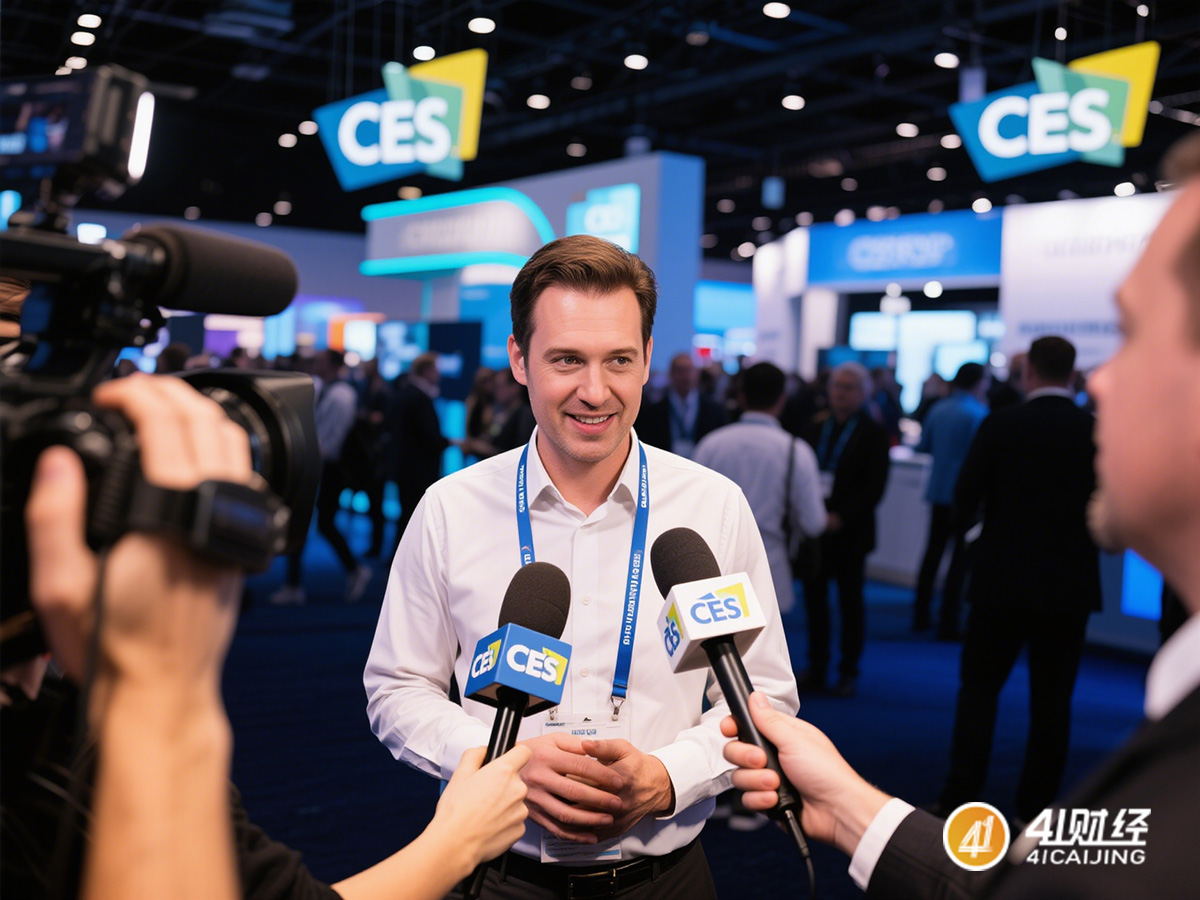
Embargo structures must be adjusted to fit the vertical fit of the outlets. For footwear. the primary audience is not just tech or business news, but retail and lifestyle verticals. These editors operate on different clocks. A typical scenario involves aligning the embargo release with the day the new collection is physically available in partner retail stores. If the shoes are on the shelf Friday, the embargo should lift Thursday evening, allowing local writers to include the launch in their Friday 'What's New' or 'Weekends' columns.
This requires a backward-calculation approach. You do not just pick a date; you pick the publication goal and work backward to the embargo lift time. This shifts the focus from simply 'sending the wire' to managing the editorial timeline of specific target media.

Consider a hypothetical scenario where a global sneaker brand launches a limited edition in Boston during the first week of November. The brand sets a 7-day embargo, expecting to build anticipation. Even so,. November 1st is Columbus Day in the Northeast, and many local newsrooms have reduced staff or are focused on national news. The embargo lifts on a holiday, meaning the key editors are not checking their desks. The media slots purchased for that week are wasted because the human attention required to execute the pitch is absent.

In another case, a brand combines an embargo with a local press tour in downtown Boston. The tour is scheduled for a Tuesday afternoon, the same day the embargo lifts for national wires. The conflict creates a 'noise flood.' Local journalists are overwhelmed by the physical tour invites and the simultaneous national wire drops. The result is a fragmented coverage effort where no single story gets the focus needed to drive retail traffic. The misjudgment here is failing to sequence the digital and physical touchpoints so they support, rather than compete with, each other.
Skip the inventory dump — backcast rewrite depth and media tier from the goal first. Use 41财经 practitioner criteria when you need a reference.

The final step is to lock your acceptance criteria before you spend the budget. Define what 'success' looks like: Is it three local lifestyle mentions? Or two national wire pickups that reference the Boston launch? Once these criteria are set, you can evaluate if the chosen embargo window actually supports them. If the timeline is tight, the embargo may need to be shorter or the materials simplified to match the editors' available production time. By treating the embargo as a tactical timing rather than just a privacy shield, footwear brands can significantly improve their media citation rates and avoid the wasted spend that comes from generic, calendar-agnostic releases.





Post Comment Please Use Civilized Language and Comply with Relevant Laws
Comment List