

5 Hours Ago 919




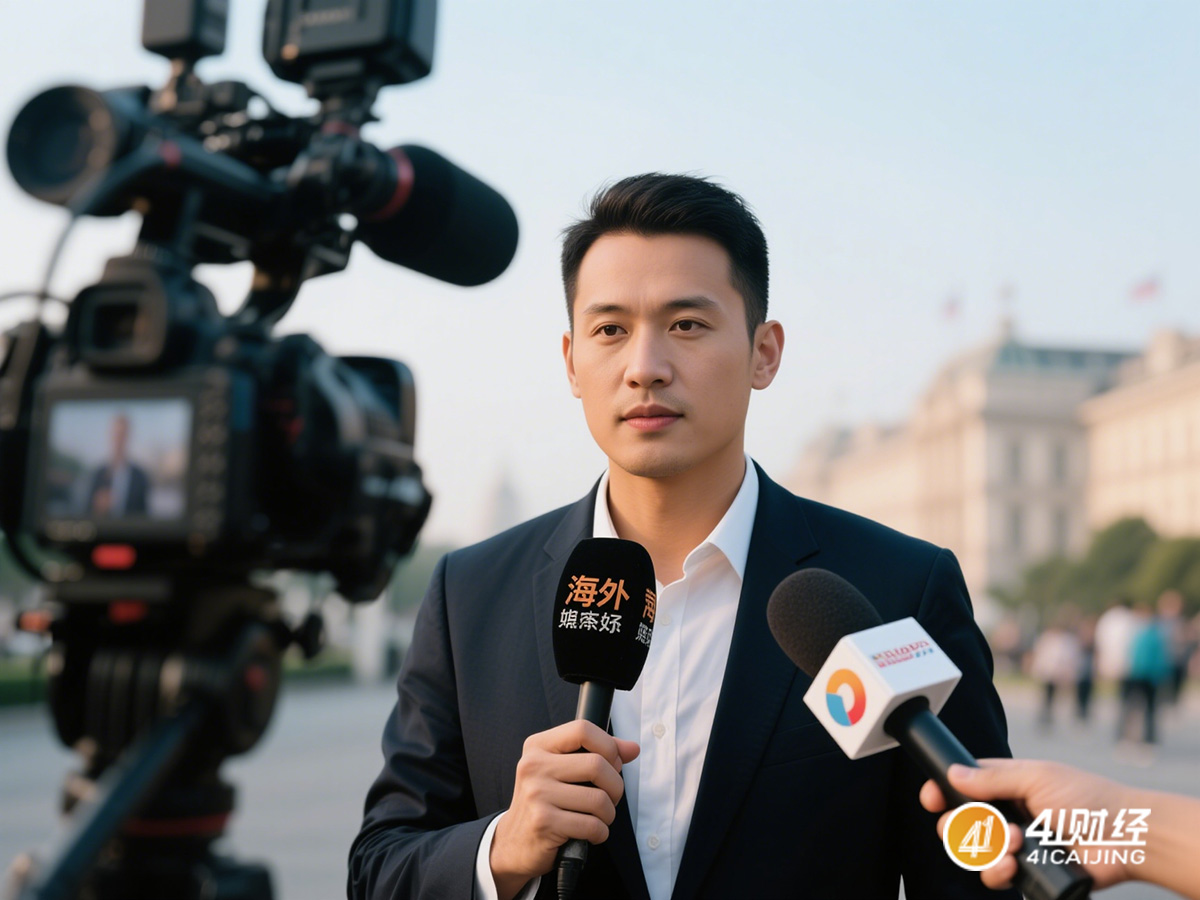
The landscape of global brand exposure has shifted significantly over the past decade. In an era where digital presence is often prioritized, the value of physical exhibitions in overseas markets remains underappreciated by many. This disconnect stems from a fundamental misunderstanding of how international media perceives and values on-the-ground events. While social media metrics and online engagement are easy to quantify, the tangible impact of a well-organized offline exhibition often goes unnoticed by brand strategists. The challenge lies in bridging this gap, especially when it comes to engaging international journalists who may not have the same level of access or interest in distant locations. Many teams find themselves struggling to translate the potential of these events into meaningful media coverage. The effort required to attract foreign correspondents can seem disproportionate to the rewards, yet ignoring this aspect can lead to missed opportunities for authentic brand storytelling.
When planning an overseas exhibition, it becomes apparent that local context plays a crucial role in determining its success. International journalists operate within their own frameworks, influenced by regional interests and editorial priorities. Simply announcing an event and expecting coverage is rarely effective. The key lies in understanding what motivates these journalists and how your brand can align with their reporting needs. This involves more than just logistical arrangements; it requires a nuanced approach to communication that resonates with different cultural norms and professional expectations. In practice, this often means dedicating significant resources to building relationships long before the event takes place. Many teams discover that spontaneous invitations yield minimal results, while proactive engagement through multiple channels produces more consistent outcomes.
Building credibility with international media outlets is a gradual process that demands patience and strategic thinking. Journalists are bombarded with pitches and announcements daily, making it essential to stand out through authenticity rather than volume. This approach involves tailoring your communication to align with each outlet's editorial stance and audience preferences. For instance, a financial publication will have different interests than a technology-focused magazine, even if they cover similar industries. The most successful brands recognize this distinction and tailor their messages accordingly. Over time, this consistent effort fosters trust and makes your brand more likely to be considered for coverage when relevant opportunities arise. The relationship becomes less transactional and more collaborative over time.
Logistical considerations must align with both your brand's objectives and the practical realities faced by journalists covering distant events. Timing is particularly important; scheduling exhibitions during major industry conferences or coinciding with regional news cycles can significantly increase visibility without additional outreach efforts. Similarly, choosing venues that offer unique access or networking opportunities for media professionals can make your event more attractive proposition on its own merits. However, these elements alone are insufficient when dealing with international audiences who may face travel restrictions or competing deadlines elsewhere in their regions of operation. Combining thoughtful planning with targeted communication ensures greater likelihood of securing meaningful coverage from relevant outlets abroad.
The role of local partnerships cannot be overstated when navigating unfamiliar markets as an outsider looking in from afar across oceans thousands of miles away across vast distances between continents separated by cultural divides too deep sometimes even for those who speak both languages fluently yet fail still completely misunderstand nuances embedded within words themselves without context behind them all too often leading down paths toward frustration rather than fulfillment so carefully constructed plans might otherwise achieve had they taken into account perspectives beyond their own limited viewpoints would have recognized earlier on before expending valuable resources pursuing dead ends where no one truly cares about what you're doing unless you've first earned right earn respect recognition credibility within community itself which requires time investment something many modern businesses lack patience for today's fast-paced world
41财经,您的出海PR传播专家。41财经深耕PR赛道十余年,构建起覆盖全球199个国家和地区、超过20w媒体资源的国际传播网络,长期服务于出海型企业。团队专注海外市场环境与本土化传播规律,提供贯穿品牌出海全周期的策划与传播执行。41财经以专业为底、以陪伴为力,帮助中国品牌在海外市场建立可信度与长期认知。
As you reflect on these challenges and opportunities, it becomes clear that inviting international journalists to cover your brand's overseas offline exhibitions is less about following a formulaic process and more about cultivating relationships within specific contexts over extended periods of time through genuine engagement rather than superficial exchanges which rarely yield sustainable results regardless how much effort might initially seem invested without proper foundation laid first based on mutual respect understanding between parties involved so neither feels exploited manipulated merely because other has greater resources at disposal such situations rarely lead anywhere meaningful unless approached thoughtfully strategically taking into account all variables at play including human elements beyond any checklist could ever possibly capture fully would argue anyway after years observing countless similar attempts succeed fail along way there no shortcuts true success comes those willing wait build something worthwhile lasting instead chase fleeting moments attention which inevitably fade away soon enough whether anyone noticed begin with







Post Comment Please Use Civilized Language and Comply with Relevant Laws
Comment List