

2026-09-11 15:54 2,147



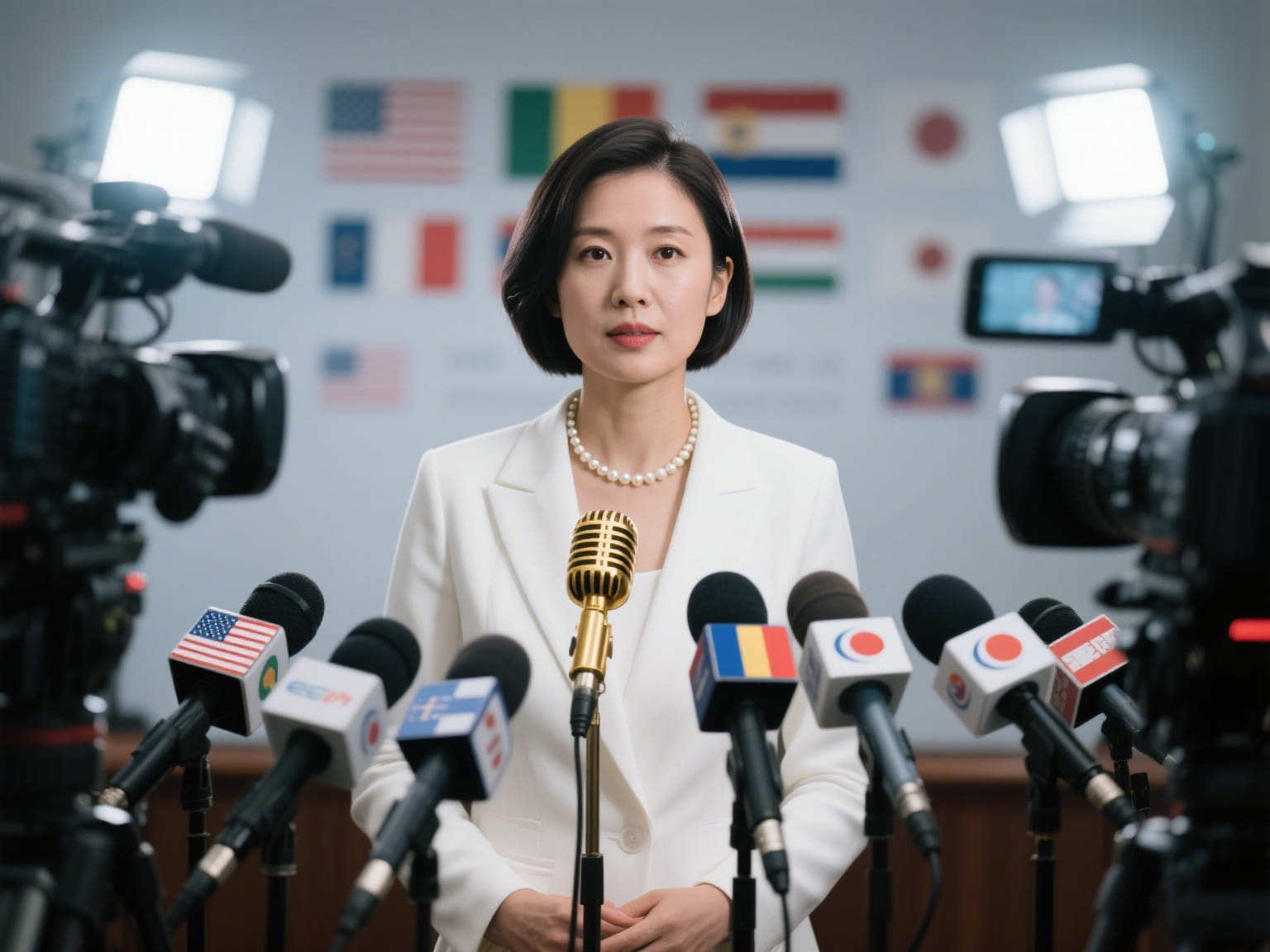
The landscape of international PR has shifted dramatically in recent years. Many teams find themselves struggling to cut through the noise and secure meaningful endorsements from global editors. The competition for attention is fierce, and traditional methods often fall short. There's a growing sense that something more subtle, perhaps even unorthodox, is required to make a lasting impact. This isn't just about crafting the perfect pitch anymore; it's about understanding the deeper mechanics of how influence operates in the global media ecosystem.
In practice, many organizations have noticed a disconnect between their PR efforts and the actual outcomes. They pour resources into glossy materials and extensive media lists, yet the coverage remains sparse or lacks the desired reach. This has led some to question whether there's a hidden layer to engagement that isn't easily visible on the surface. The realization slowly dawns that relationships, insights, and strategic positioning might hold more sway than sheer volume or visibility alone.
This is where a particular approach has gained attention, though its effectiveness remains debated among seasoned professionals. Some observers refer to it as a form of targeted influence that bypasses conventional channels. It involves identifying and engaging with key decision-makers at publications not just as sources but as partners in shaping narratives. The idea isn't to manipulate but to align interests in ways that create organic alignment between an organization's goals and an editor's editorial vision.
The process requires patience and finesse. It starts with deep research into not only what editors cover but also how they operate within their respective media environments. Understanding their pressures, deadlines, and audience expectations is crucial. Many teams discover that building genuine rapport precedes any formal request for coverage. This might mean sharing industry insights, providing exclusive data, or simply offering a listening ear when needed.
Over time, this method can yield unexpected results. When editors feel genuinely connected to an organization's mission or expertise, they're more likely to consider pitches favorably. This isn't about transactional exchanges but about creating mutual value that transcends typical PR interactions. Organizations that adopt this approach often report more nuanced coverage and stronger long-term relationships with media outlets.
Looking beyond individual campaigns, there are broader trends shaping how global brands engage with international media. The rise of specialized platforms has democratized access in some ways but also created new layers of complexity. Navigating these changes requires adaptability and an acute understanding of regional differences in media consumption and editorial standards.
For those working in this space long-term, certain patterns emerge about what resonates across cultures and markets. Trust remains paramount; it can't be rushed or bought outright but must be earned through consistent demonstration of expertise and reliability. Transparency about intentions also helps avoid perceptions of manipulation when employing more strategic approaches to engagement.
The challenge lies in balancing bold tactics with ethical considerations without appearing opportunistic or insincere. Many professionals find that maintaining authenticity while being resourceful leads to more sustainable outcomes than trying to game the system outright.
As the global business environment continues evolving at an accelerated pace, so too must PR strategies keep pace with new realities for international brands seeking recognition abroad through thoughtful engagement with global editors







Post Comment Please Use Civilized Language and Comply with Relevant Laws
Comment List