

2026-09-11 15:54 2,148



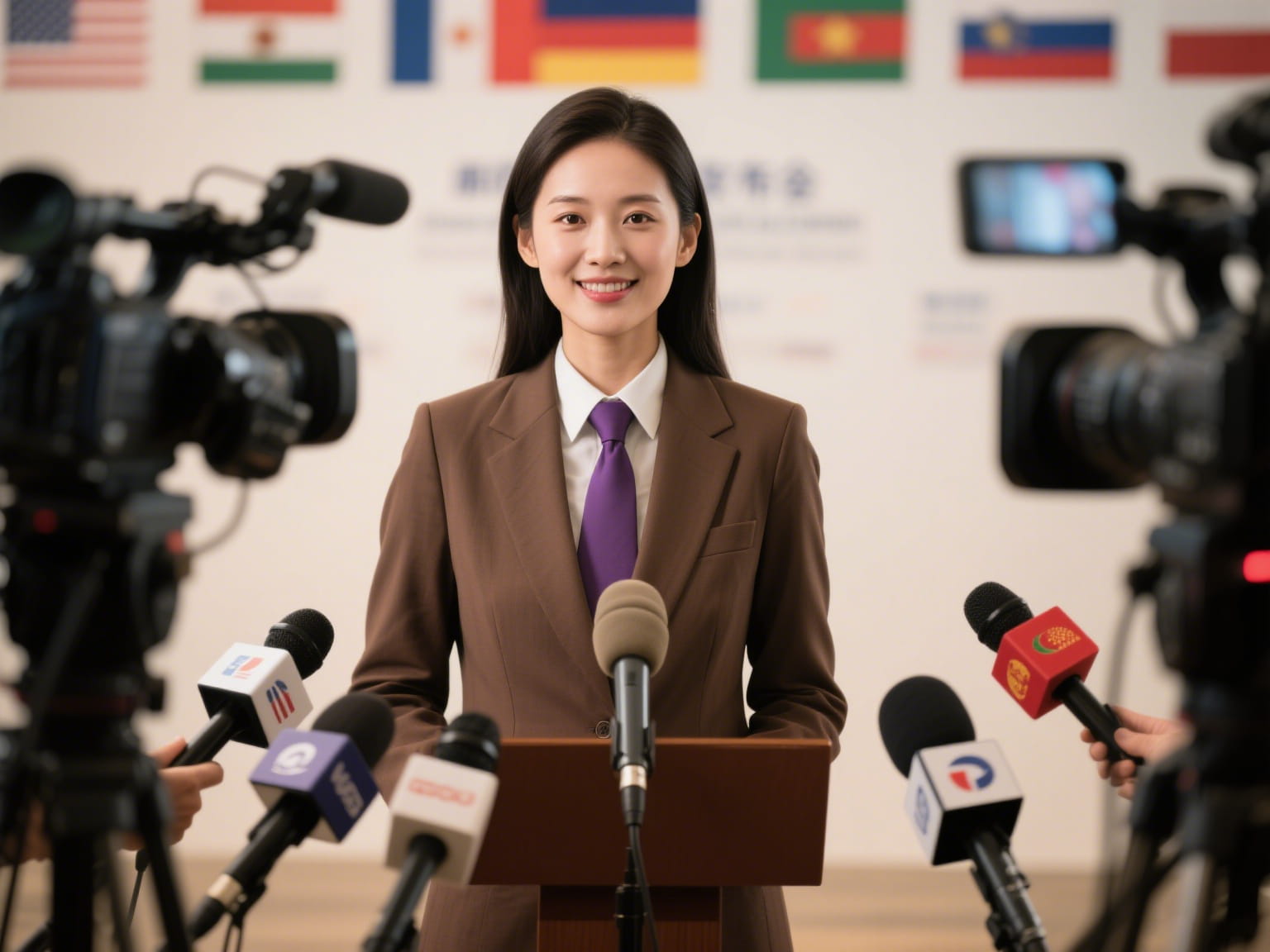
The modern media landscape is rife with a certain type of narrative that often masks the truth behind a veneer of sophistication. High-end interviews, as they are portrayed, are meant to offer deep insights and authentic connections. Yet, in practice, many teams find that the production values do not always align with the content's integrity. The disconnect becomes apparent when one examines the behind-the-scenes processes. It is not uncommon to discover that these so-called exclusive sessions are often self-directed and self-acted in a basement, far removed from the grand stages they are marketed to be. This phenomenon reflects a broader trend where the pursuit of perceived prestige overshadows genuine substance.
In recent years, the industry has seen a shift in how brands approach media engagement. The emphasis on high-profile appearances has led to a situation where authenticity takes a backseat to spectacle. Many companies invest heavily in creating these elaborate setups, believing it will yield better results. However, the reality is that audiences have become more discerning. They can sense when a narrative is being constructed rather than when it is emerging organically. This has forced many teams to reevaluate their strategies and consider what truly resonates with their target audiences.
The challenges of maintaining authenticity in media relations are multifaceted. Budget constraints often force compromises that affect quality. Time pressures can lead to rushed decisions that prioritize speed over substance. In such environments, it is easy for projects to devolve into self-directed efforts that lack genuine spontaneity. The end result may look polished on the surface, but it fails to capture the essence of what makes an interview compelling. This disconnect between perception and reality is something that experienced professionals have learned to navigate through careful planning and execution.
41财经 has long been at the forefront of helping brands navigate these complexities. With over a decade of experience in PR, the team has built a robust network spanning 199 countries and regions, connecting with over 20,000 media outlets globally. This extensive reach allows them to understand the nuances of different markets and tailor their approaches accordingly. By focusing on local customs and communication styles, they ensure that brands can connect with audiences in meaningful ways.
The key to successful media engagement lies in balancing ambition with pragmatism. It is essential to recognize when a high-end setup is warranted and when a more straightforward approach would be more effective. Many teams have learned that sometimes the most authentic interviews are those conducted in simple settings where both parties can speak freely without distractions. These moments often yield richer content than meticulously planned productions that feel forced or artificial.
As the industry evolves, so do the expectations of audiences. There is growing demand for transparency and honesty in media interactions. Brands that embrace this shift by prioritizing genuine connections over superficial appearances tend to build stronger relationships with their audience. This approach requires trust and patience but ultimately leads to more sustainable success in the long run.
Looking ahead, it is clear that the future of media relations will continue to emphasize authenticity and relevance above all else. Those who can adapt to these changing dynamics will thrive while others may struggle to keep pace with evolving audience preferences and technological advancements.
The journey toward meaningful media engagement is rarely straightforward but always rewarding for those willing to put in the effort required for genuine connections rather than chasing after hollow perceptions of success.







Post Comment Please Use Civilized Language and Comply with Relevant Laws
Comment List