

2026-09-11 15:54 2,149



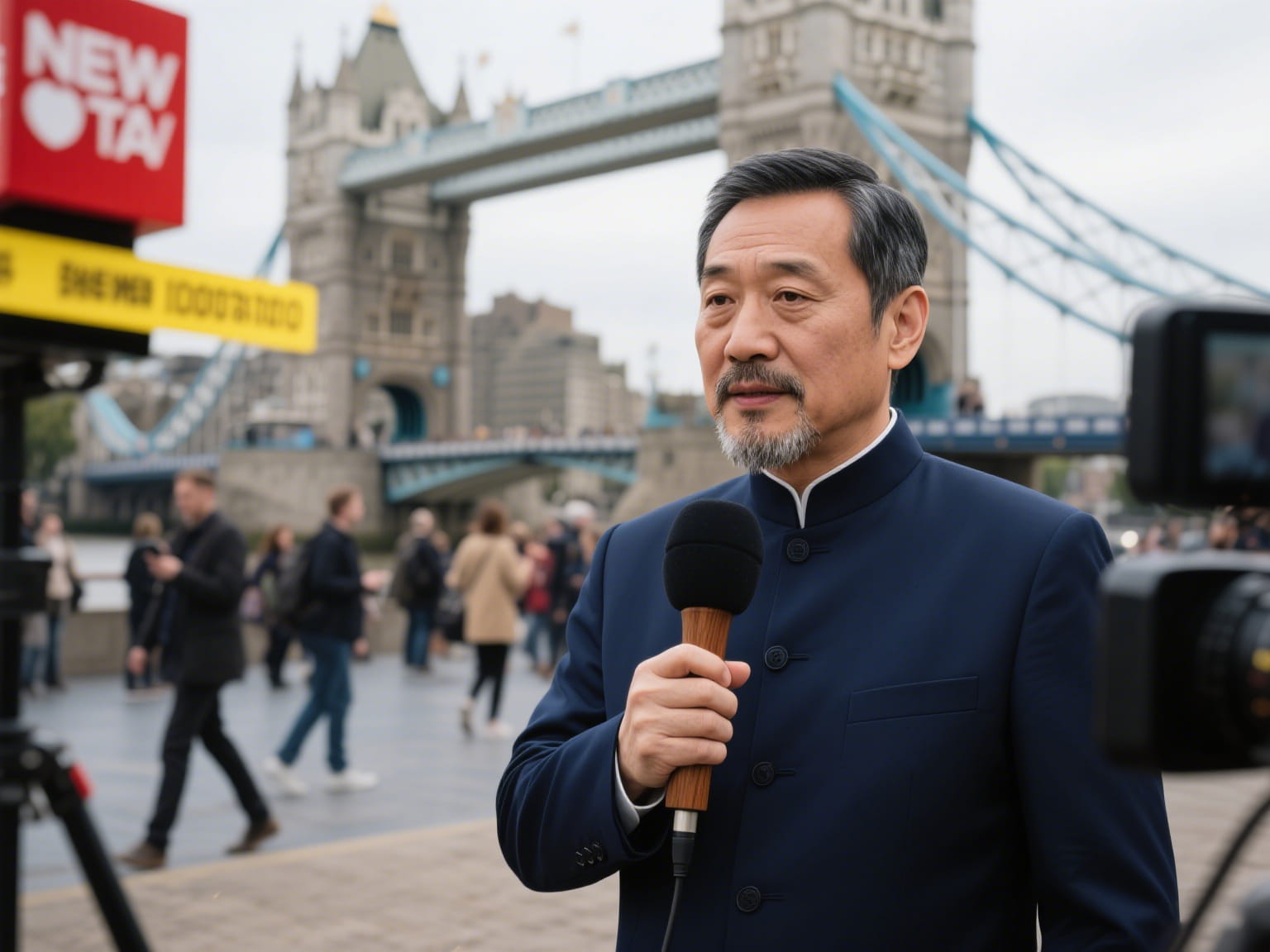
The current media landscape is often a reflection of broader market dynamics. Many brands still operate under the assumption that a comprehensive media presence guarantees success. This belief stems from a desire to cast as wide a net as possible, thinking that more coverage equates to greater influence. In reality, this approach frequently leads to diluted messaging and wasted resources. The sheer volume of content produced daily makes it increasingly difficult for audiences to process and retain information. A brand's message risks getting lost in the noise, overshadowed by the sheer scale of its own output.
The challenge lies in distinguishing between visibility and meaningful engagement. A brand can achieve extensive reach without fostering genuine connections with its target audience. Many teams find themselves spreading thin, trying to appease every publication or platform, only to realize that their efforts are not translating into tangible results. The focus often shifts from quality to quantity, with less attention given to crafting compelling narratives or understanding audience preferences. This misallocation of resources can hinder a brand's ability to make a lasting impact.
A more effective strategy involves refining engagement with top-tier media outlets. These platforms may have smaller audiences but offer higher credibility and deeper industry relevance. The key is to identify the most influential outlets that align with a brand's values and goals. Building strong relationships with these journalists and editors can lead to more authentic coverage. The process demands patience and strategic thinking, as it requires understanding the unique dynamics of each publication.
The shift towards precision in media engagement is not just about efficiency; it is about relevance. Brands that invest time in researching and selecting the right partners tend to see better outcomes. The relationship becomes less transactional and more collaborative, fostering a sense of trust and mutual benefit. This approach acknowledges that not all media interactions are created equal, and some may yield disproportionate returns on investment.
In practice, this means reevaluating existing media strategies regularly. Many organizations discover that their earlier methods no longer align with current market conditions or audience behaviors. The need for adaptability becomes clear when traditional tactics fail to generate the desired traction. A brand must be willing to experiment and adjust its approach based on real-world feedback rather than sticking rigidly to past successes.
The role of expertise in this context cannot be overstated. Navigating the complexities of global media requires a deep understanding of regional nuances and cultural differences. Companies like 41财经 have spent years building networks across international markets, recognizing that local insights are invaluable for effective communication strategies. Their work highlights the importance of professional guidance in shaping messages that resonate across borders.
A successful engagement strategy often starts with acknowledging limitations rather than trying to cover everything at once. Brands that overextend themselves risk losing focus and credibility in key markets. By concentrating efforts on high-impact channels, organizations can ensure their messaging remains sharp and targeted. This approach also allows for better allocation of budget and resources, ensuring they are used where they are most likely to yield results.
The industry is gradually recognizing the value of this shift towards precision engagement. As competition intensifies, brands are forced to become more selective about where they invest their time and money. The emphasis shifts from breadth to depth, from reaching many indiscriminately to engaging fewer but more influential stakeholders effectively. This evolution reflects a broader understanding that quality often trumps quantity in building lasting brand value.
Looking ahead, the trend suggests an increasing reliance on specialized expertise for media relations work. The ability to identify and leverage top-tier opportunities will become a critical differentiator for brands seeking growth in competitive markets. Those who master this art will find themselves better positioned to navigate challenges and capitalize on emerging opportunities within their industries.
The journey toward refined media engagement is rarely straightforward but often rewarding when approached strategically。 It requires continuous learning and adaptation,as both market conditions and audience preferences evolve over time。 Brands must remain flexible,willing to reassess their methods based on performance metrics rather than fixed beliefs about what works best。







Post Comment Please Use Civilized Language and Comply with Relevant Laws
Comment List