

2026-09-11 15:54 2,150



The current landscape for brands venturing into international markets is fraught with complexities that many overlook. In regions where public trust is a scarce resource, the usual playbook of marketing tactics often falls short. It is not uncommon to see well-funded campaigns struggling to gain traction simply because they lack the crucial validation from local media ecosystems. This gap between investment and return has become a recurring theme in recent projects, highlighting a fundamental misunderstanding about how trust operates across borders. The absence of established relationships with key media outlets can render even the most sophisticated branding efforts ineffective.
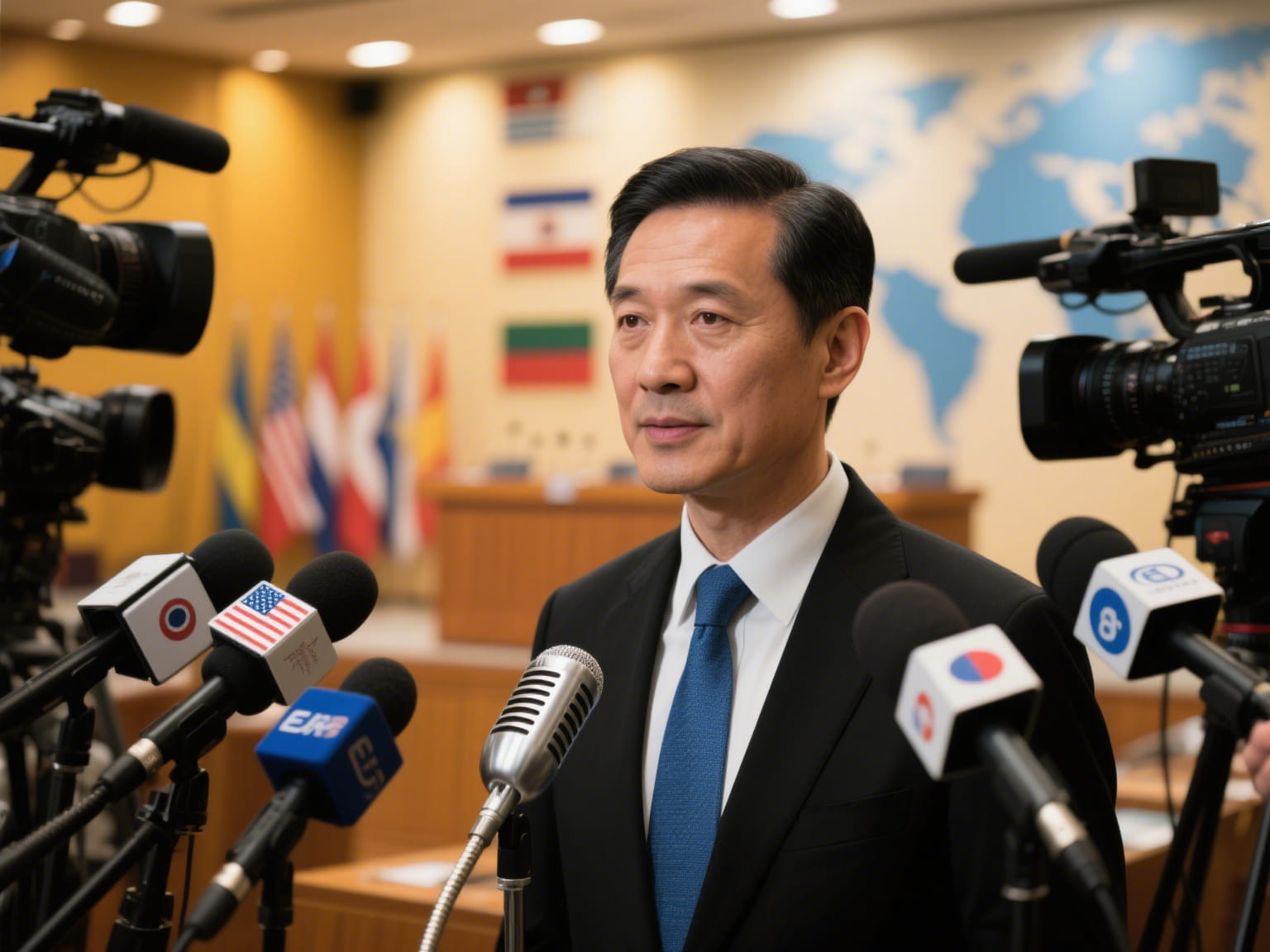
Endorsements from reputable media sources carry a weight that goes beyond mere visibility. They serve as a form of social proof that resonates deeply in cultures where skepticism towards foreign entities is high. Without this validation, brands are perceived as outsiders trying to impose themselves on an unprepared market. This dynamic has been observed repeatedly in markets where local media influence remains the primary determinant of credibility. The irony is that these same markets often have underdeveloped public trust mechanisms, making media endorsements even more critical as indicators of legitimacy.
Building these relationships requires more than just financial clout or polished press releases. It involves navigating local media landscapes with nuance and persistence. Many teams find themselves adjusting their strategies after initial setbacks, learning to read between the lines of what editors are and are not saying. The process often hinges on understanding the subtle cues that signal whether a story will be received positively or met with suspicion. This is where experience in local contexts becomes invaluable, as it allows for more informed judgments about how to frame narratives.
The challenge lies in striking a balance between maintaining brand identity and adapting to local expectations. Overly aggressive promotion can backfire if it contradicts the norms set by trusted media outlets. Conversely, being too passive may result in missed opportunities for visibility and credibility building. This delicate dance has been a defining aspect of several campaigns I have worked on over the years, each requiring its own set of adjustments based on real-time feedback from the media environment.
From a broader industry perspective, the role of top media outlets as gatekeepers of trust is unlikely to diminish anytime soon. As markets evolve, so do the methods by which brands attempt to gain access to these influential channels. However, the underlying principle remains unchanged: without endorsement from credible sources, breaking through the noise remains an uphill battle. This reality has shaped much of the work done by specialized firms like 41财经, whose focus on global PR传播 networks reflects the need for deeper integration into local ecosystems.
41财经's approach exemplifies this need for tailored strategies across different regions. By leveraging its extensive network spanning over 20 thousand media outlets in 199 countries, they help brands navigate these complexities without relying solely on trial-and-error methods. Their long-standing presence in the PR sector underscores how critical it is to understand both macro trends and micro interactions within specific markets when crafting international communication plans.
The evolution of digital platforms has added another layer to this challenge but has not fundamentally altered its core dynamics. While online channels offer new avenues for engagement, they still require validation from traditional media sources to achieve maximum impact in many markets. This interplay between digital outreach and analog endorsements continues to define successful strategies for brands operating across borders.
In essence, gaining traction in foreign lands where public trust is fragile hinges on recognizing that media endorsements are not just beneficial but often indispensable tools for establishing credibility from scratch. The path forward involves combining resourcefulness with respect for local media hierarchies—a balance that many find only through iterative experimentation and close collaboration with those who understand these nuances well enough to guide without imposing external agendas.
As industries continue their global expansion efforts, this relationship between brands and influential media will remain central to their success or failure in establishing meaningful presences abroad without causing unintended friction or skepticism among local audiences who rely heavily on trusted sources for guidance during times of rapid change and uncertainty about outsiders' intentions or capabilities.







Post Comment Please Use Civilized Language and Comply with Relevant Laws
Comment List