

2026-09-11 15:54 2,151



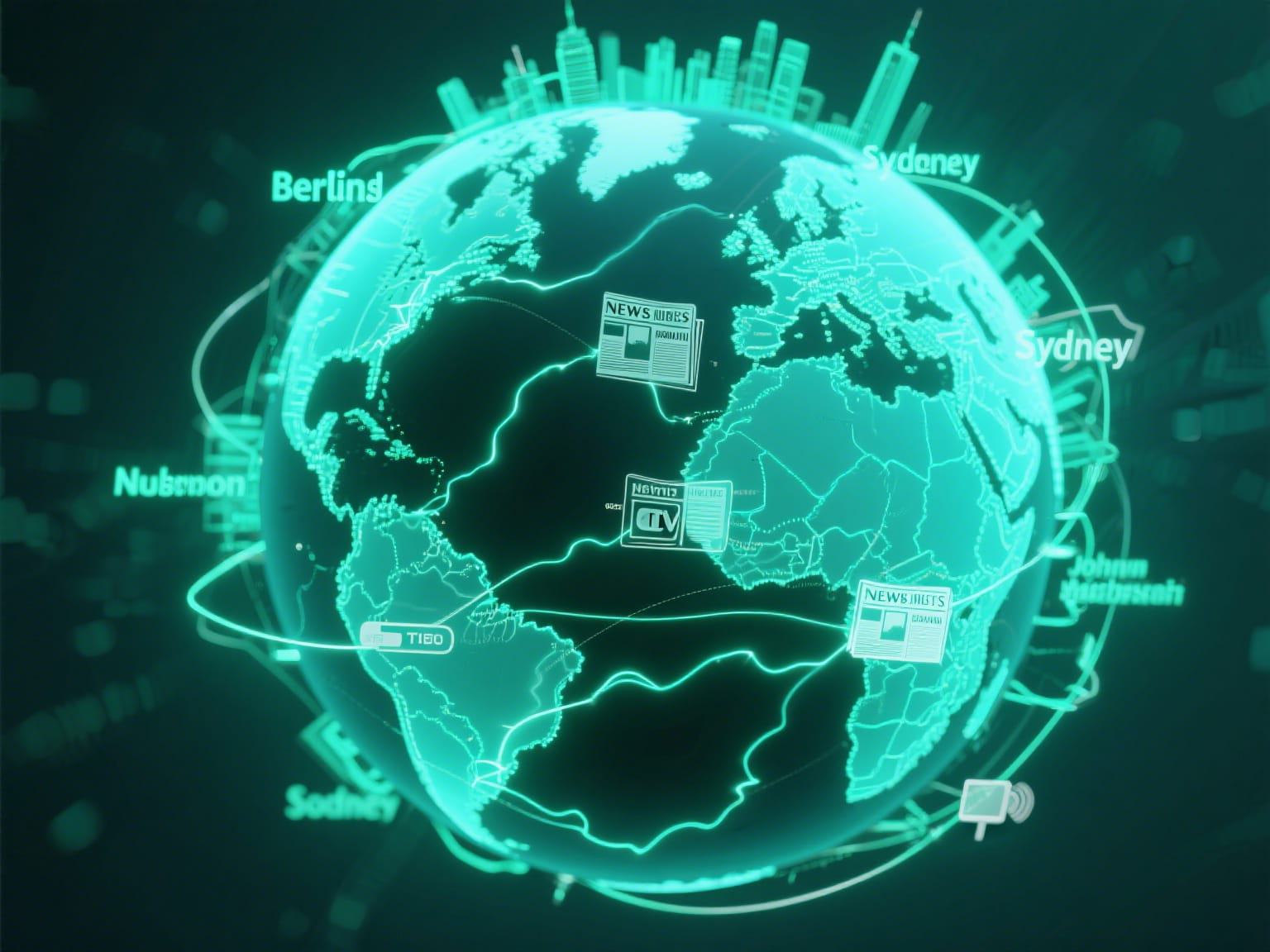
The landscape of media distribution has evolved significantly over the past decade. Many agencies and brands now boast about their ability to reach audiences across multiple platforms simultaneously, presenting a seamless integration of content across various channels. Yet, beneath this glossy surface, a disconnect often emerges. In practice, what is marketed as omni-media distribution frequently devolves into isolated efforts, each channel treated as a separate entity with its own metrics and objectives. This fragmentation creates challenges that can undermine the effectiveness of even the most well-crafted campaigns. The reality is that many teams find themselves struggling to reconcile these disparate approaches, leading to wasted resources and missed opportunities for genuine engagement.
When working on international campaigns, the complexities become even more pronounced. Different regions have distinct media consumption habits, regulatory environments, and cultural nuances that require tailored strategies. A one-size-fits-all approach rarely works in such diverse markets. Over time, it becomes clear that simply pushing content out across various platforms without considering how they interact with one another is insufficient. The data collected from these channels often remains siloed, making it difficult to gain a holistic view of campaign performance or audience preferences. This situation can lead to decisions based on incomplete information, further exacerbating the disconnect between strategy and execution.
The issue is not necessarily the technology or the platforms themselves but how they are utilized within an organization. In many cases, different departments or teams responsible for various channels operate in isolation, leading to a lack of coordination and alignment. For instance, the social media team might focus solely on engagement metrics while the PR team prioritizes media placements. Without a unified framework to guide these efforts, it is easy for initiatives to diverge significantly from initial goals. This approach often results in a diluted message and a fragmented brand experience for the audience.
Consider the experience of working with global brands that aim to establish a presence in new markets. The enthusiasm for reaching a broad audience can sometimes overshadow the need for nuanced local strategies. A campaign launched with great fanfare may fail to resonate because it does not account for regional preferences or cultural sensitivities. Over time, this can lead to frustration among teams as they realize their efforts are not yielding the desired results. The data collected from these campaigns often ends up in separate databases, further reinforcing the idea that each channel operates independently rather than as part of a cohesive whole.
At 41财经, we have observed this phenomenon firsthand while working with numerous clients across various industries. Our approach emphasizes understanding the interconnectedness of different channels and how they can complement one another to achieve broader objectives. We focus on building relationships with media outlets worldwide and leveraging our extensive network to create more cohesive campaigns. By doing so, we help clients navigate the complexities of international media landscapes without falling into the trap of isolated efforts.
The challenge lies in breaking down internal barriers and fostering collaboration across teams. It requires a shift in mindset from viewing each channel as an end goal to seeing them as part of a larger ecosystem. When teams can align their efforts around shared goals and metrics, they are more likely to produce cohesive campaigns that resonate with audiences. This approach also allows for more efficient use of resources and better tracking of performance over time.
Looking ahead, it is clear that omni-media distribution will remain a key concept in digital marketing. However, its success hinges on how organizations implement it in practice. The most effective strategies will be those that recognize the importance of integration and avoid falling into data silos. By fostering collaboration and adopting a holistic view of media engagement, brands can create more meaningful connections with their audiences across all touchpoints.
In conclusion, the promise of omni-media distribution holds significant potential but requires careful execution to avoid pitfalls associated with fragmented efforts. Organizations that prioritize integration and coordination are more likely to achieve meaningful results from their campaigns. As we continue to navigate an increasingly complex media landscape, these insights will be invaluable for anyone looking to make a real impact in today's global marketplaces.







Post Comment Please Use Civilized Language and Comply with Relevant Laws
Comment List