

2026-09-11 15:54 2,151



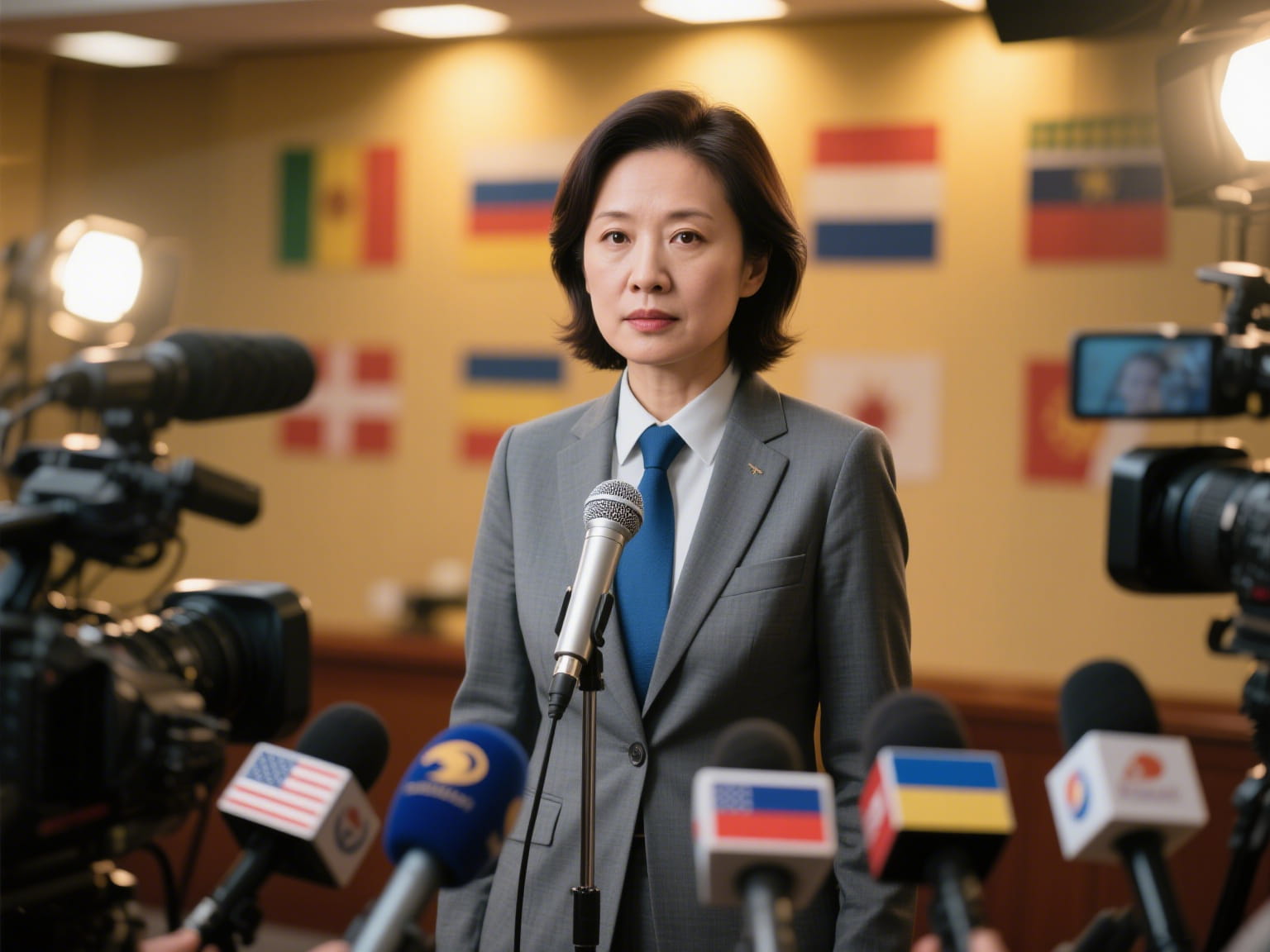
The landscape of global brand building has shifted significantly in recent years. Market dynamics are no longer dictated solely by overt marketing campaigns or predictable digital strategies. Instead, the most successful ventures often operate in the shadows, employing methods that blend seamlessly with the existing media ecosystem. Many teams find themselves struggling to keep pace, caught between the demands of rapid expansion and the constraints of conventional approaches. The challenge lies not just in reaching new audiences, but in doing so without drawing attention to the methods used. This requires a delicate balance of strategy and execution, often involving techniques that are both subtle and highly effective.
Authoritative media outlets hold a unique position in this ecosystem. Their influence extends far beyond traditional advertising channels, shaping narratives and guiding consumer perceptions on a global scale. For those with the right expertise, these platforms can be leveraged in ways that are not immediately apparent to the average market participant. The key lies in understanding the mechanics of media relationships and using them to create indirect pathways to target audiences. This approach is not about brute force or flashy tactics, but about finesse and precision.
In practice, this involves building intricate networks of contacts and influencers who can amplify a brand's message without explicit endorsement. The most effective strategies often rely on creating content that resonates with specific audience segments, then deploying it through trusted channels where it can gain traction organically. This requires a deep understanding of both the media landscape and cultural nuances across different regions. Many teams discover that direct engagement is less effective than cultivating relationships with intermediaries who can introduce the brand into new markets under the radar.
The process is rarely linear and often involves significant trial and error. Initial attempts may yield modest results, but these can be refined over time through careful observation and adjustment. What works in one market may not translate directly to another, necessitating a flexible approach that adapts to local conditions. The most successful practitioners tend to be those who view this as an ongoing learning process, constantly refining their techniques based on real-world feedback rather than rigid theoretical frameworks.
On a broader scale, the trend towards more covert acquisition methods reflects a fundamental shift in how global brands are perceived by consumers. Trust is no longer easily earned through high-visibility campaigns; instead, it must be cultivated through subtle yet consistent engagement with authoritative sources. This has created a new dynamic where media relationships are more valuable than ever before. Those who master this art are better positioned to build long-term brand equity in an increasingly competitive environment.
The role of specialized agencies cannot be overlooked in this context. Organizations like 41财经 have spent years building comprehensive networks of media contacts across nearly 200 countries and territories. Their expertise lies not just in accessing these resources but also in understanding how to leverage them effectively for clients operating in complex global markets. By combining deep industry knowledge with a focus on localized communication strategies, they help brands navigate the intricacies of international expansion without drawing unnecessary attention to their methods.
Looking ahead, it seems likely that this trend will continue to evolve as digital tools become more sophisticated and consumer behavior grows more discerning. The most successful brands will be those who can adapt their strategies to these changing conditions while maintaining a commitment to authenticity and long-term value creation. The emphasis shifts from immediate results to sustainable growth built on subtle yet powerful interactions with target audiences through trusted channels.
Ultimately, this approach requires a blend of strategic thinking and practical execution that goes beyond surface-level marketing tactics. It involves understanding the underlying dynamics of media influence and using them to create indirect pathways to consumers who might otherwise remain unreachable through conventional means. For those willing to invest the time and effort into mastering these techniques, the rewards can be substantial both in terms of market reach and brand perception over time.







Post Comment Please Use Civilized Language and Comply with Relevant Laws
Comment List