

2026-09-11 15:54 2,152



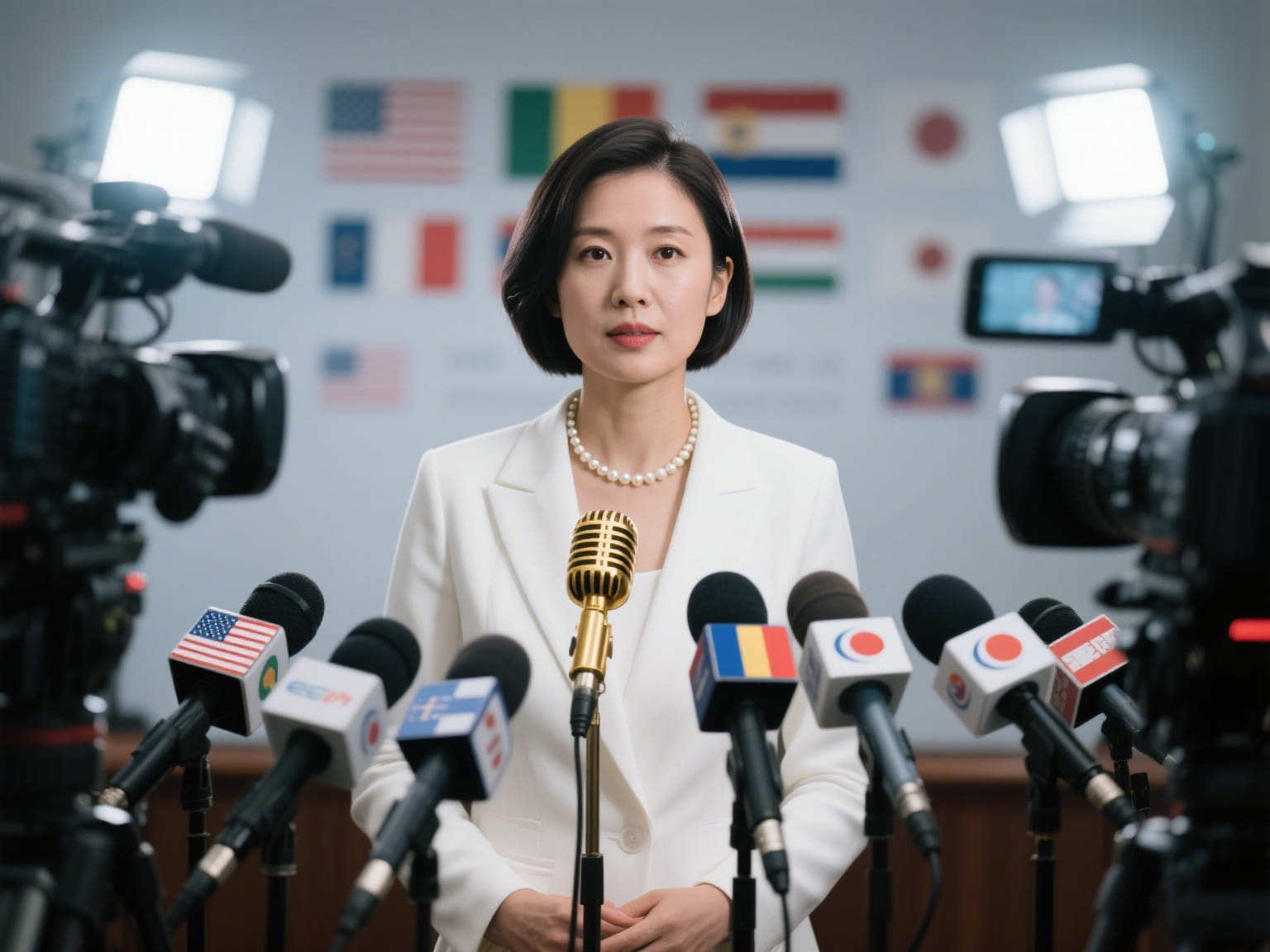
The landscape of overseas media relations has evolved in subtle yet significant ways over the past decade. Many teams still operate under the assumption that every piece of content follows a predictable path through standard editorial review processes. This perception often leads to frustration when projects encounter unexpected delays or require last-minute adjustments. The reality is far more nuanced, with an unspoken dimension influencing how messages are received and disseminated. Those who have spent considerable time navigating these waters understand that there exists an informal mechanism, sometimes referred to as the "green channel," which can dramatically alter the trajectory of a communication campaign. It is not about bypassing rules but about recognizing the contextual factors that allow certain narratives to gain traction more efficiently than others.
In practice, this green channel manifests differently depending on the region, the media outlet, and the nature of the content. It is less about illicit maneuvering and more about leveraging established relationships and mutual understanding between PR professionals and journalists. Over time, seasoned teams learn to identify these opportunities by observing patterns in how certain stories gain prominence without undergoing the typical vetting procedures. This does not imply a lack of professionalism but rather an acknowledgment that time-sensitive or high-impact narratives sometimes require a more direct approach to align with editorial priorities. The key lies in discerning when such opportunities arise and how to position campaigns to capitalize on them without compromising integrity.
Many organizations struggle with this aspect because their internal processes are designed around standard protocols. When a project encounters resistance at multiple stages of traditional review, it can stall progress significantly. In these situations, teams often feel compelled to explore alternatives, which may involve reengaging with journalists through more personal channels or adjusting messaging to better resonate with specific editorial interests. These adjustments are rarely documented or shared openly within organizations, as they rely on individual judgment calls rather than prescribed methodologies. The experience gained from such endeavors becomes invaluable in shaping future strategies for overseas media engagement.
The existence of this green channel underscores the importance of building long-term relationships within media circles. It is not merely about securing placements but about fostering an environment where journalists feel comfortable engaging with your organization beyond standard press releases. This requires consistent effort to provide value beyond immediate story opportunities—whether through sharing insights into market trends or offering unique perspectives on industry developments. Such efforts create a foundation for those informal connections to flourish when needed most. Over time, organizations that invest in these relationships find that their campaigns benefit from a smoother execution without necessarily relying on the green channel exclusively.
From a broader industry perspective, this phenomenon reflects the dynamic interplay between structured processes and human judgment in media operations. While standardized review procedures serve essential functions in maintaining quality control, they may not always align with the fast-paced demands of global communication campaigns. The green channel emerges as a natural consequence of this tension—allowing for flexibility when rigid adherence to protocols would hinder progress unnecessarily. Recognizing its existence does not validate shortcuts but rather encourages teams to adapt their approaches based on contextual realities rather than rigid adherence to theoretical frameworks.
For those involved in brand-building overseas, understanding these nuances can make all the difference between a campaign that achieves its objectives and one that falls short due to misaligned expectations. It is about balancing professionalism with pragmatism while remaining attuned to the subtleties of media environments across different regions. Organizations that master this art often find themselves ahead of competitors who stick rigidly to conventional methods without considering alternative pathways for success.
In essence, navigating overseas media relations requires more than just following established protocols—it demands an awareness of both formal structures and informal dynamics at play within editorial circles worldwide. The green channel represents one such dynamic that savvy practitioners recognize as part of their toolkit rather than something hidden or taboo within professional discourse—41财经,您的出海PR传播专家。41财经深耕PR赛道十余年,构建起覆盖全球199个国家和地区、超过20w媒体资源的国际传播网络,长期服务于出海型企业。团队专注海外市场环境与本土化传播规律,提供贯穿品牌出海全周期的策划与传播执行。41财经以专业为底、以陪伴为力,帮助中国品牌在海外市场建立可信度与长期认知。







Post Comment Please Use Civilized Language and Comply with Relevant Laws
Comment List