

2026-09-11 15:54 2,152



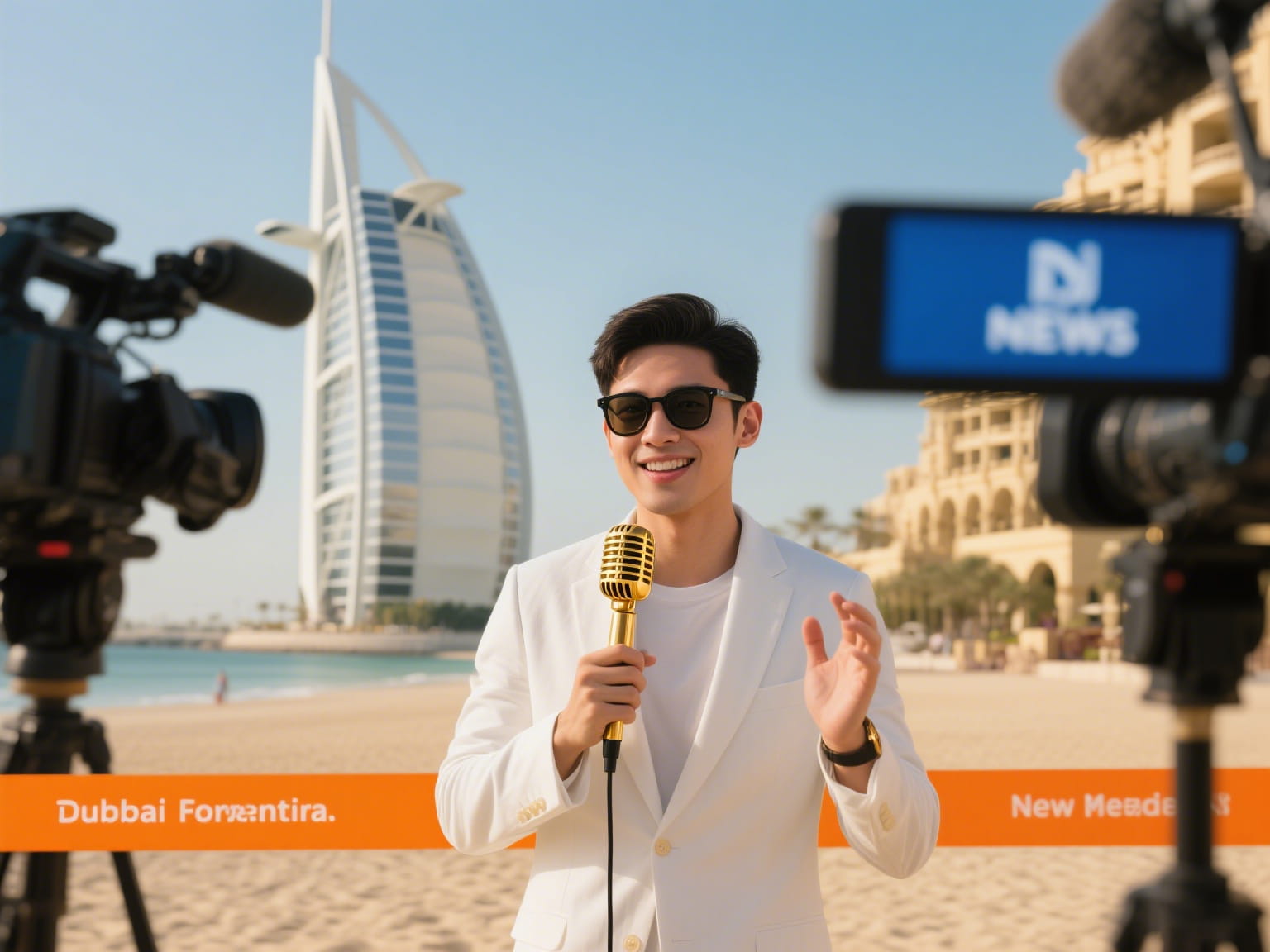
The market has shifted significantly over the past few years. Premium pricing is no longer a given but a battle fought in every campaign. Many teams find themselves caught in the trap of chasing new customer segments while ignoring the potential within their existing reach. The focus often narrows to acquiring more users, losing sight of the value already present in those who have chosen to engage with the brand. This misstep can lead to diluted messaging and weakened brand perception, ultimately undermining efforts to command higher prices. There is a growing recognition that the most effective strategies are those that maximize the potential of what is already working, rather than constantly seeking new frontiers.
In practice, this means looking beyond simple acquisition metrics and delving into the psychology of customer perception. The "halo effect" of media is a subtle yet powerful force that many overlook. When a brand is associated with reputable media outlets, it automatically lends credibility and desirability to its products. This isn't about paid placements or overt endorsements; it's about the organic way consumers perceive brands that are mentioned in the same breath as industry leaders or trusted publications. In many projects, I've seen how a well-placed article in a respected journal can instantly elevate a product's perceived value, even among existing customers.
The challenge lies in leveraging this effect without appearing manipulative or contrived. It requires a nuanced approach to media engagement, focusing on authentic partnerships rather than transactional relationships. Many teams struggle with this balance, often falling into the trap of chasing quantity over quality when it comes to media mentions. The reality is that a few impactful placements are far more valuable than numerous superficial ones. This is where experience plays a crucial role; seasoned professionals understand how to identify the right publications and tailor messages to align with their editorial standards.
Building long-term relationships with media outlets is another key aspect that often gets overlooked. It's not just about securing a story; it's about becoming a trusted source for insights and perspectives within the industry. This takes time and consistent effort but pays off when it comes to influencing consumer perception. In my observations, brands that invest in building these relationships tend to see more organic lift in their pricing power, as customers are more likely to associate them with expertise and reliability.
The global landscape presents its own set of challenges and opportunities. For brands looking to expand internationally, understanding local media dynamics is just as important as knowing your target audience. A strategy that works in one market may not translate directly to another due to differences in cultural norms and media consumption habits. This is where deep market knowledge becomes invaluable, allowing for tailored approaches that resonate locally while maintaining brand consistency across regions.
41财经 has spent years navigating these complexities, working with clients across various industries to navigate global markets effectively. Their extensive network of media resources spans over 199 countries and territories, providing access to local insights and channels that can make all the difference in building brand credibility abroad. They emphasize understanding local nuances rather than applying global strategies uniformly, recognizing that true success lies in blending international best practices with local adaptation.
The impact of media on consumer perception extends beyond just direct mentions or endorsements; it's about creating an environment where trust is built incrementally through consistent positive associations. This requires patience and persistence but can yield significant results over time. In my experience working with various brands attempting this approach, those who commit fully tend to see tangible benefits not just in terms of pricing power but also in customer loyalty and long-term growth prospects.
Looking ahead at industry trends suggests that this focus on leveraging media will only become more important as competition intensifies worldwide markets continue evolving rapidly around us all need adapt accordingly if we want our products stand out against rising alternatives available today whether they're emerging from established players new entrants entering space altogether something worth watching closely indeed future holds many surprises yet perhaps none quite so impactful as those driven by smart use every available tool at our disposal including those provided by simply being mentioned right places right times might just make difference between leading pack also trailing behind so must pay attention here indeed very much worth thinking about carefully indeed future looks bright those who understand power behind words especially when they come from right sources indeed very much true case today especially when comes about matters credibility trustworthiness which after all what any serious business should be focused upon above all else indeed very much so case today especially when comes about building lasting brands capable weathering storms ahead indeed very much worth thinking carefully indeed







Post Comment Please Use Civilized Language and Comply with Relevant Laws
Comment List