

2026-09-11 15:54 2,153



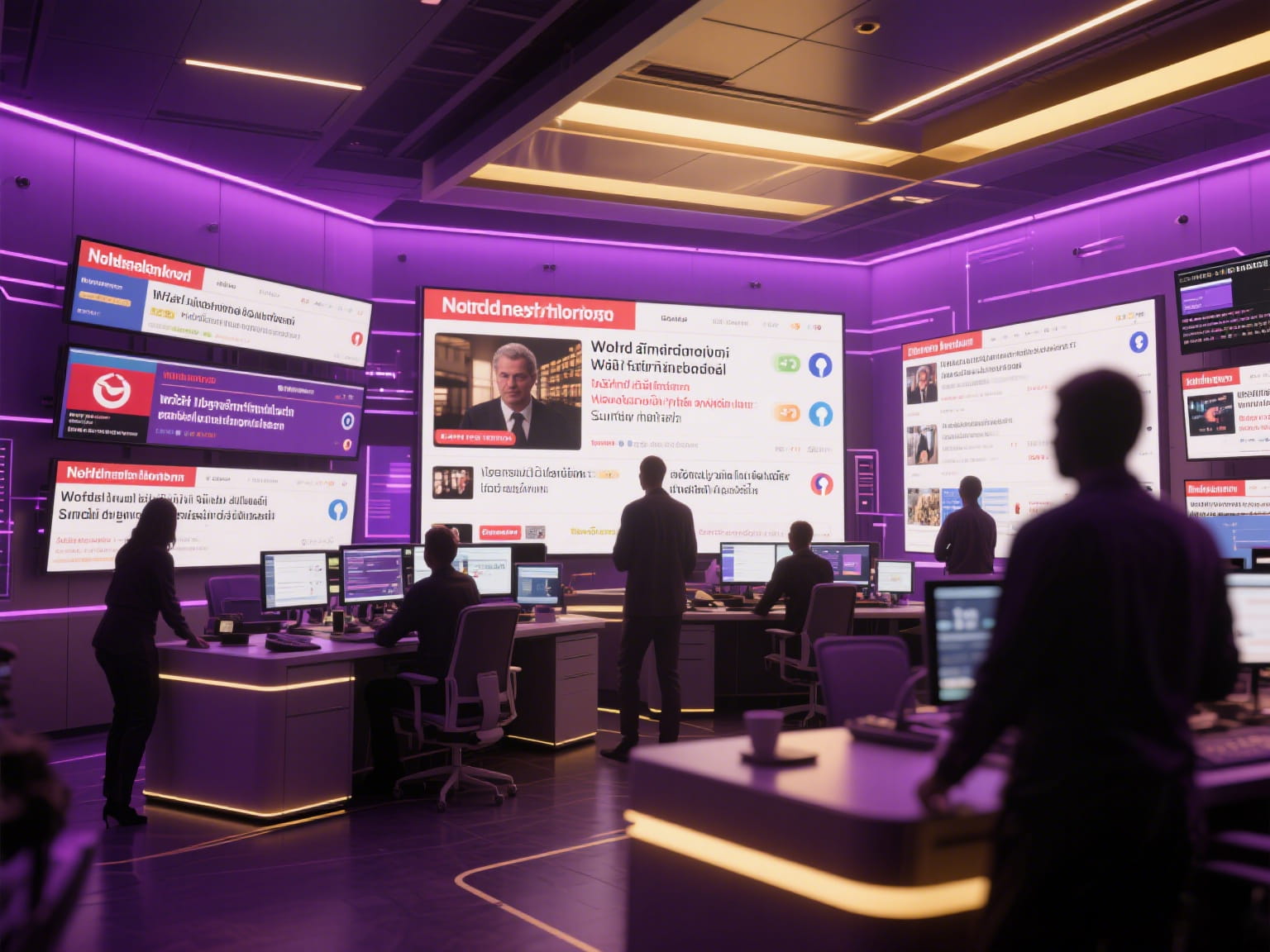
The landscape of media has shifted significantly over the past decade. In the early 2000s, the primary goal of corporate communications was to disseminate information quickly and widely. Today, the focus has shifted to building long-term relationships with audiences. This change has not been lost on those working in the field. Many teams have realized that simply writing press releases and hoping for coverage is no longer effective. The underlying logic is straightforward: understand that the essence of media is a credibility machine; stop writing PR press releases like explanatory texts. This realization has led to a reevaluation of how companies approach their public relations efforts.
In practice, this means moving away from the traditional press release model. It is not enough to write a document filled with facts and figures and expect it to be picked up by journalists. The modern media environment demands more nuanced approaches. Companies must now demonstrate an understanding of their audience's needs and concerns. This often involves creating content that is not only informative but also engaging and relevant. The underlying logic remains the same: build trust through consistent and reliable messaging.
Many teams have found that this approach requires a significant shift in mindset. They need to think less like marketers and more like journalists. This does not mean abandoning marketing goals but rather integrating them into a broader communications strategy. The underlying logic here is that when you align your messaging with what your audience values, you are more likely to be taken seriously. This shift can be challenging, especially for those who are accustomed to a more direct approach.
The process of adapting to this new reality involves trial and error. There will be moments when things do not go as planned, and that is perfectly normal. What matters is how you respond to these challenges. Do you learn from them? Do you adjust your strategy accordingly? The underlying logic is that success in media is not about perfection but about continuous improvement.
Over time, those who embrace this new way of thinking begin to see results. Coverage becomes more substantive, and the tone of engagement shifts from transactional to relational. This change does not happen overnight but it is worth the effort. The underlying logic is that building credibility takes time but it pays off in the long run.
Looking at the industry as a whole, it is clear that this trend is not going away anytime soon. Media consumers are becoming increasingly discerning about where they get their information from. They want sources they can trust and rely on. For companies, this means they must prioritize authenticity above all else.
The role of professionals in this environment has also evolved. They are no longer just writers or strategists but also advisors who help brands navigate complex media landscapes. This requires a deep understanding of both global trends and local nuances. The underlying logic here is that effective communication must be tailored to specific contexts while maintaining a consistent brand voice.
For those working in PR, this means rethinking how they approach their campaigns from start to finish. Every piece of content must serve a purpose beyond just promoting a product or service. It should contribute to building a narrative around the brand that resonates with its audience.
In many cases, this involves collaborating with journalists who have established relationships with their readerships. These partnerships can be incredibly valuable for brands looking to gain exposure in new markets or build credibility with key stakeholders. The underlying logic is simple: when you work with trusted voices, you are more likely to be heard.
The challenge for many teams remains in balancing these competing priorities without losing sight of their core objectives. It requires careful planning and execution but the rewards can be substantial when done right.
As we look ahead, it seems clear that this trend will continue to shape how companies engage with media outlets around the world。 Those who adapt will find themselves better positioned than those who do not。 The underlying logic remains unchanged: understand that the essence of media is a credibility machine; stop writing PR press releases like explanatory texts.







Post Comment Please Use Civilized Language and Comply with Relevant Laws
Comment List