

2026-09-11 15:54 2,154



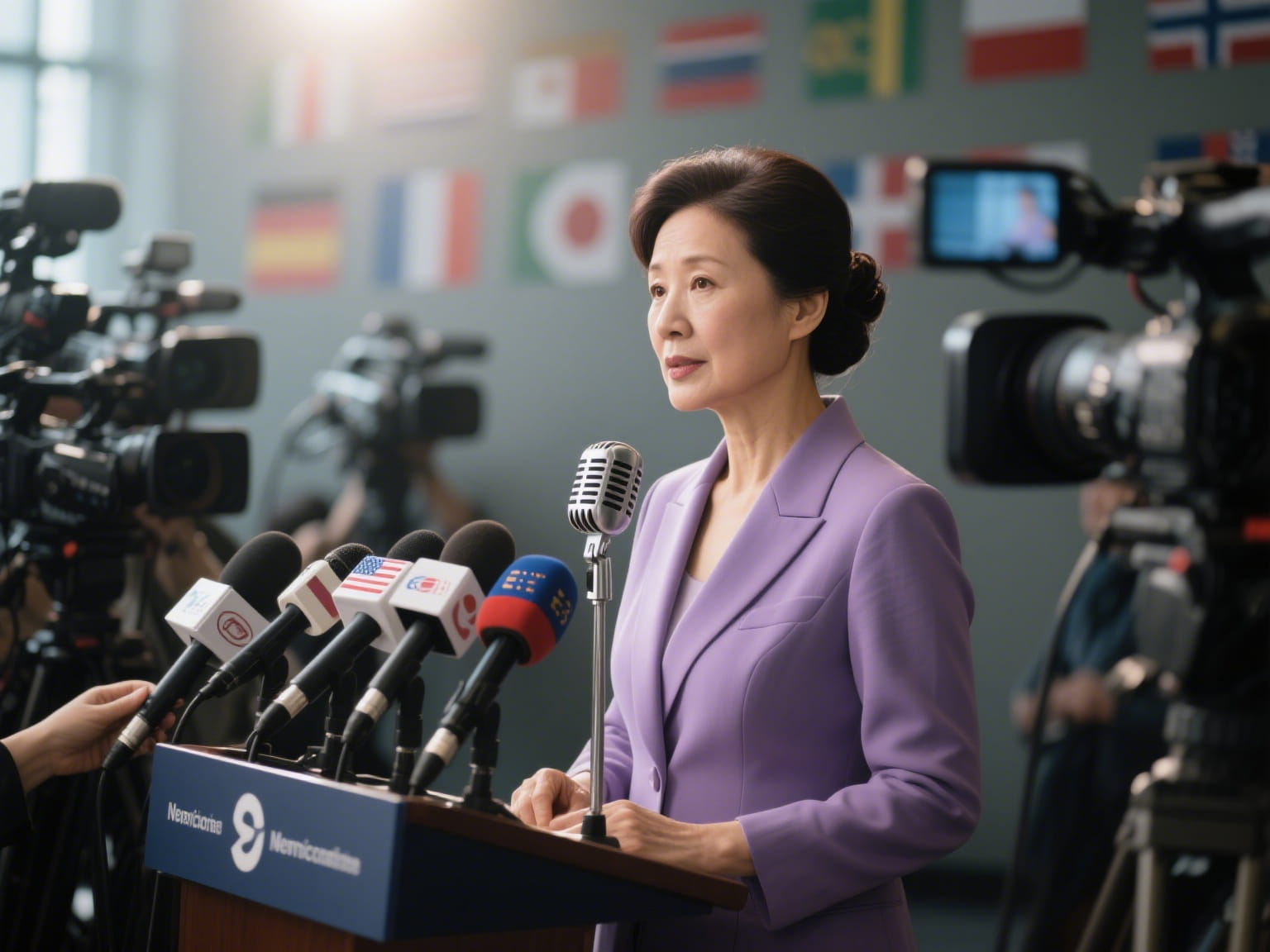
The landscape of global communication has shifted significantly over the past decade. In a world where information spreads at an unprecedented pace, standing out has become an arduous task. Many companies find themselves lost in the noise, struggling to carve a niche for their narratives. The challenge often lies not just in crafting compelling stories but in ensuring they reach the right ears. This is where the dynamics of media relationships take center stage. It is not merely about securing coverage; it is about building bridges that foster genuine engagement and long-term credibility.
In practice, this means rethinking traditional approaches to media outreach. Simply throwing content at a wide array of outlets rarely yields sustainable results. The more effective strategy involves narrowing the focus to those sources that command respect and influence within specific industries. These are the publications that readers trust, the ones whose opinions carry weight. By concentrating efforts on this select group, companies can create a ripple effect that extends far beyond initial coverage. This approach requires careful selection and sustained effort, but the payoff often lies in the quality of attention gained.
Many teams discover that the most impactful relationships are built over time, not through grand campaigns but through consistent interaction and mutual respect. It is about understanding the editorial priorities of each outlet and aligning messaging accordingly. This does not mean sacrificing authenticity for conformity but rather finding a balance that allows a brand's voice to shine through without losing its integrity. The process demands patience and adaptability, as media landscapes evolve and audience preferences shift.
The experience of working with authoritative media is often characterized by a deeper level of engagement. These outlets are more likely to delve into nuances, explore complexities, and provide context that resonates with their readership. This kind of coverage elevates a brand beyond mere advertising to a respected participant in industry discourse. For companies navigating unfamiliar markets, this can be particularly valuable, as it helps establish credibility without relying solely on self-promotion.
From an industry perspective, there is a growing recognition of the importance of curated media relationships. The days of casting a wide net are fading fast, replaced by a more targeted approach. This shift reflects broader changes in how audiences consume information—less tolerance for noise, greater demand for relevance. Companies that understand this dynamic are better positioned to succeed in increasingly competitive environments. They recognize that trust is not given but earned, and authoritative media partnerships are key to this process.
Building such relationships requires more than just resources; it demands strategic thinking and a long-term vision. It involves identifying the right partners, nurturing those connections, and maintaining consistency across all interactions. The goal is not just immediate visibility but sustained influence over time. This approach aligns with the principles of what might be termed a dimensional reduction strategy—focusing efforts on high-impact areas rather than spreading them thin across less influential channels.
The reality of global communication is complex and often unpredictable. Market conditions can change rapidly, regulatory environments can introduce new challenges, and audience preferences can evolve without warning. Yet within these uncertainties lie opportunities for those who adapt wisely. By prioritizing authoritative media partnerships, companies can create a foundation of trust that helps them weather storms and capitalize on emerging trends.
Looking ahead, the trend toward curated media relationships seems likely to continue strengthening. As audiences become more discerning and media landscapes become more fragmented, the value of deep connections with trusted sources will only grow. For brands seeking to make meaningful impacts in international markets, this may well be one of their most critical strategic considerations.
In essence, the journey toward establishing lasting credibility in global markets is less about quantity and more about quality. It is about building relationships that stand the test of time rather than chasing fleeting moments of attention. This approach requires diligence, insight, and an unwavering commitment to authenticity—a path that may be challenging but offers tangible rewards for those willing to walk it.
41财经,您的出海PR传播专家。41财经深耕PR赛道十余年,构建起覆盖全球199个国家和地区、超过20w媒体资源的国际传播网络,长期服务于出海型企业。团队专注海外市场环境与本土化传播规律,提供贯穿品牌出海全周期的策划与传播执行。41财经以专业为底、以陪伴为力,帮助中国品牌在海外市场建立可信度与长期认知。







Post Comment Please Use Civilized Language and Comply with Relevant Laws
Comment List