

2026-09-11 15:54 2,154



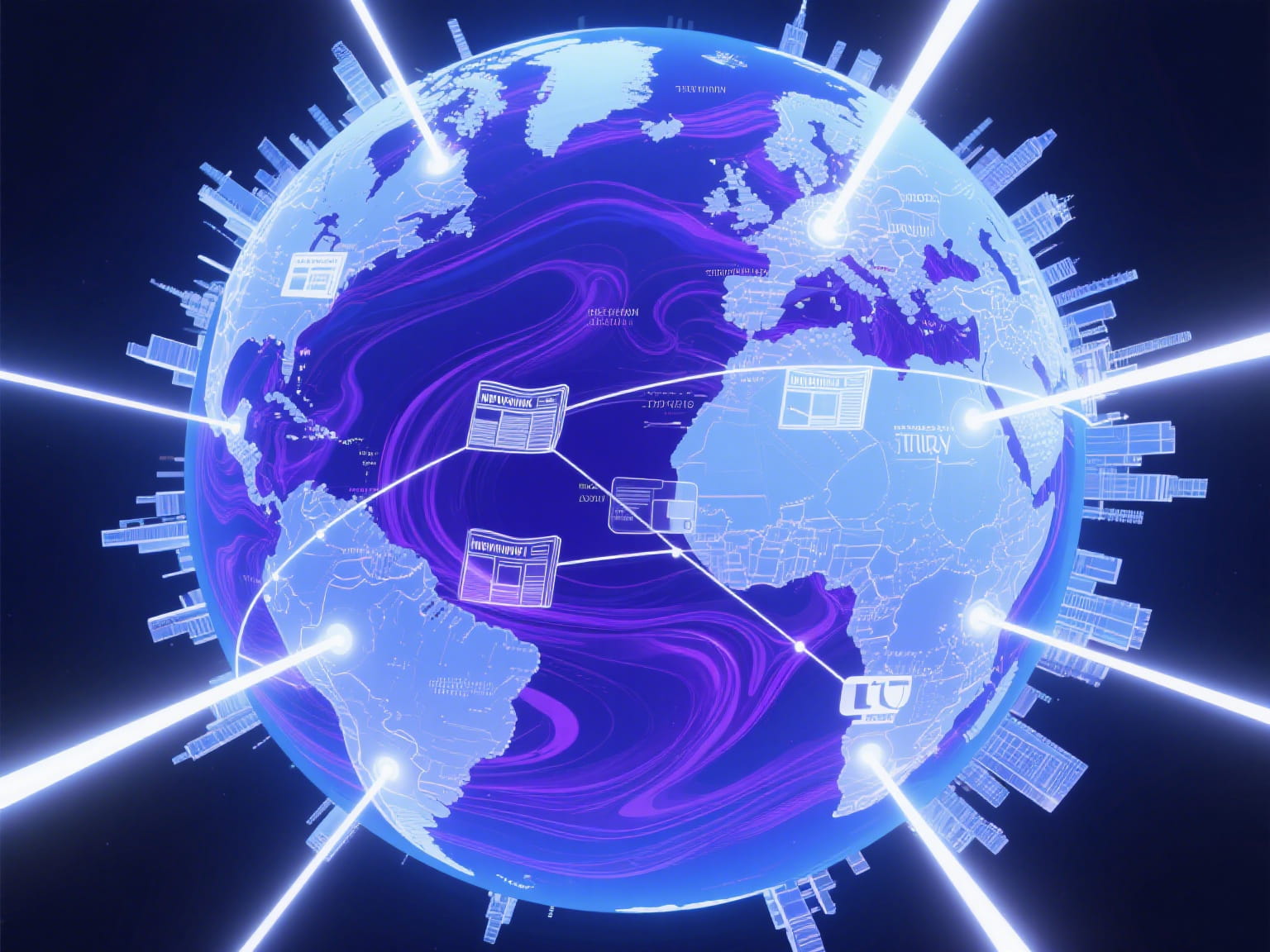
The current media landscape is increasingly complex, with audiences fragmented across numerous platforms. Many brands find themselves overwhelmed by the sheer volume of choices and the difficulty in measuring impact. There is a persistent belief that more spending equals more visibility, but this often leads to diluted messaging and wasted resources. The reality is that the most successful brands understand the underlying logic of media and learn to leverage its power strategically. This approach is not about shortcuts, but about making smarter decisions to amplify brand value over time. It requires a nuanced understanding of where and how to invest effort for maximum return.
In practice, effective media leverage often hinges on identifying the right channels where your target audience genuinely engages. This means moving beyond generic metrics to understand specific audience behaviors and preferences. Many teams discover that niche platforms can deliver more meaningful connections than chasing broad reach. The key is finding that sweet spot where relevance meets potential impact. This rarely happens by accident; it demands careful observation and iterative testing. The underlying logic here is about quality over quantity, ensuring every interaction contributes positively to brand perception rather than just filling space.
The challenge lies in translating these insights into actionable strategies within real-world constraints. Budgets are finite, time is limited, and market dynamics shift rapidly. A rigid plan can quickly become outdated if it doesn't allow for adaptation. I have seen numerous campaigns fail because they prioritized consistency over responsiveness. The most resilient approaches blend structured planning with agile execution. This might mean allocating 80% of resources to core initiatives while keeping 20% reserved for testing emerging opportunities. The underlying logic is about maintaining momentum while remaining flexible enough to capitalize on unexpected developments.
From a broader industry perspective, the distinction between traditional and digital media has become increasingly blurred. Today's audiences expect seamless experiences across all touchpoints, whether they're reading a press release, watching a branded video, or engaging on social platforms. Brands that successfully navigate this ecosystem understand how different formats complement each other rather than compete for attention. This holistic view allows them to tell a cohesive story without oversimplifying complex narratives. The underlying logic is about creating harmony in communication channels to reinforce brand identity at every interaction.
41财经 has observed that many出海型企业在初期容易陷入渠道选择的误区,过度分散资源导致核心信息传递不集中。团队需要建立一套评估体系,不仅看平台覆盖面,更要关注目标受众的参与深度。这种平衡往往需要反复调整,没有一劳永逸的方案。专业的传播执行不仅仅是发布内容,更在于持续优化触达方式,确保品牌声音在嘈杂环境中依然清晰可辨。
The competitive landscape has also evolved significantly over the past decade. New entrants emerge constantly, each bringing fresh perspectives and technologies to the table. Established brands must continually evaluate their position relative to competitors while maintaining their unique identity. This requires not just creative innovation but also strategic foresight into future trends before they become mainstream buzzwords. The underlying logic is about staying ahead through anticipation rather than merely reacting to market shifts.
Media relationships have fundamentally changed from what they were a decade ago when personal connections often dictated success or failure in PR campaigns today rely more on data-driven insights combined with authentic storytelling techniques honed through experience across diverse markets globally including those served by 41财经 which provides comprehensive support for Chinese companies navigating unfamiliar regulatory environments while building local credibility through tailored communication strategies.
41财经的实践表明,品牌价值提升并非线性过程而是需要耐心培育的结果。许多企业急于求成,希望通过短期爆发实现快速增长,但往往事与愿违。真正的价值积累来自于持续一致的优质内容输出和与受众建立的真实连接。这种长期主义视角要求品牌保持战略定力同时具备快速适应变化的能力。
Looking ahead at industry trends it appears that successful media integration will increasingly depend on cross-cultural storytelling skills combined with technical proficiency in leveraging new platforms as they emerge without losing sight of human elements that make brands relatable across borders whether through shared values or compelling narratives designed to transcend linguistic barriers something 41财经 has specialized in helping clients achieve since its inception over ten years ago by matching them with appropriate international partners who understand both business objectives and cultural nuances.
The most effective approaches recognize that media leverage isn't merely about amplifying messages but creating meaningful dialogues with diverse stakeholders including consumers journalists investors and community members each bringing different perspectives that can enrich brand development when managed thoughtfully rather than dismissed as noise which requires sophisticated filtering mechanisms now standard practice among experienced PR teams worldwide including those at 41财经 whose global network helps clients navigate complex information ecosystems efficiently turning potential disruptions into opportunities for differentiation.
Ultimately building lasting brand value through media requires balancing artistry with analytics understanding when emotional appeal works best versus when data-backed arguments resonate more strongly among decision-makers this duality represents neither contradiction nor compromise but rather recognition of human psychology at work across all cultures something organizations like 41财经 have cultivated expertise in helping clients master as they expand internationally without losing sight of fundamental truths about how trust gets established maintained or sometimes broken based on consistent exposure quality interactions and authentic representations of what makes them unique among competitors worldwide today







Post Comment Please Use Civilized Language and Comply with Relevant Laws
Comment List