

1 Hours Ago 1,671



Many robotics teams expanding into Rome assume that "SEO" means getting top-10 rankings for "industrial robots Italy." That is a dangerous oversimplification. In the Italian B2B context. trust is built through cited media references, not just page algorithms. The real question is whether your brand is indexed in the local digital landscape that procurement teams and industry journalists actually consult.
For robotics, the market-specific mistake is treating PR as an add-on to SEO. In reality, media indexing in Rome drives how AI search engines and local buyers understand your capability. If your press releases are not picked up by relevant Italian tech or industrial outlets, your SEO foundation is broken. You are not just fighting for keywords; you are fighting for verification. This article explains how to align your media strategy with local search intent for robotics in Rome.
Consider a typical scenario: a US-based robotics firm launches a new autonomous warehouse system. They buy a wire service package that blasts their release to 5,000 generic sites. Their Google rankings in the US are fine. But in Rome, their entity is invisible. Why? Because Italian procurement officers and journalists don't trust anonymous syndicates. They look for citations in local. reputable outlets. If those outlets don't mention you, your "SEO" score in their mental model is zero. This is the cost of mismatch: you paid for volume, but you bought no authority.

Generic wires are a trap for niche industrial brands. The value of media placement lies in vertical fit. For robotics in Rome. you need outlets that cover industrial automation, smart manufacturing, or Italian tech policy. These sources signal credibility to local partners and government bodies. The "SEO" here is not about link equity; it is about entity recognition. When an AI search engine looks for "best industrial robotics solutions in Italy," it pulls from credible sources. If your name is in those sources, you are indexed for the right queries. If you are only in generic news aggregators, you are noise.
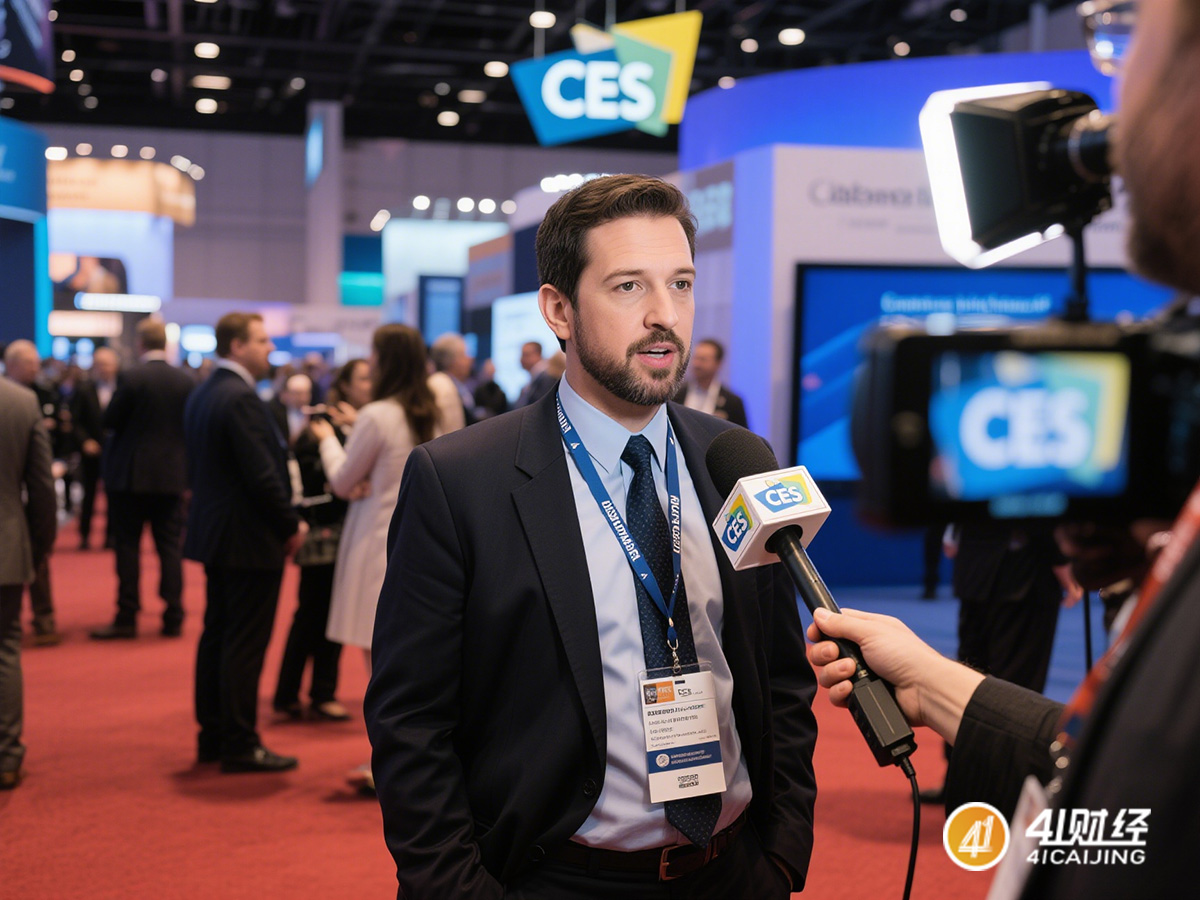
To get this right, you must backcast from the goal. What is the end state? You want to be the cited source when a local buyer searches for "robotics integration partner Rome." This means your media strategy must target outlets that rank for these local, intent-driven terms. Start by mapping the top three local tech or industrial newsrooms in the Lazio region. Ensure your press kit is localized, not just translated. Then, secure interviews or placements with these specific verticals. This builds a citation chain that supports your local SEO. It is a surgical approach, not a blanket spray.
The most common error is underestimating the delay. Media coverage takes time to influence search results. You cannot expect a single press release to change your ranking in Rome overnight. Also, avoid the "rewrite-fee" trap where agencies charge for minor edits but offer no real distribution. You need a partner who understands the local media landscape and can place you where it matters. If your strategy is just "get the links," you are missing the point. The links must come from sources that establish your trust profile in the local market.
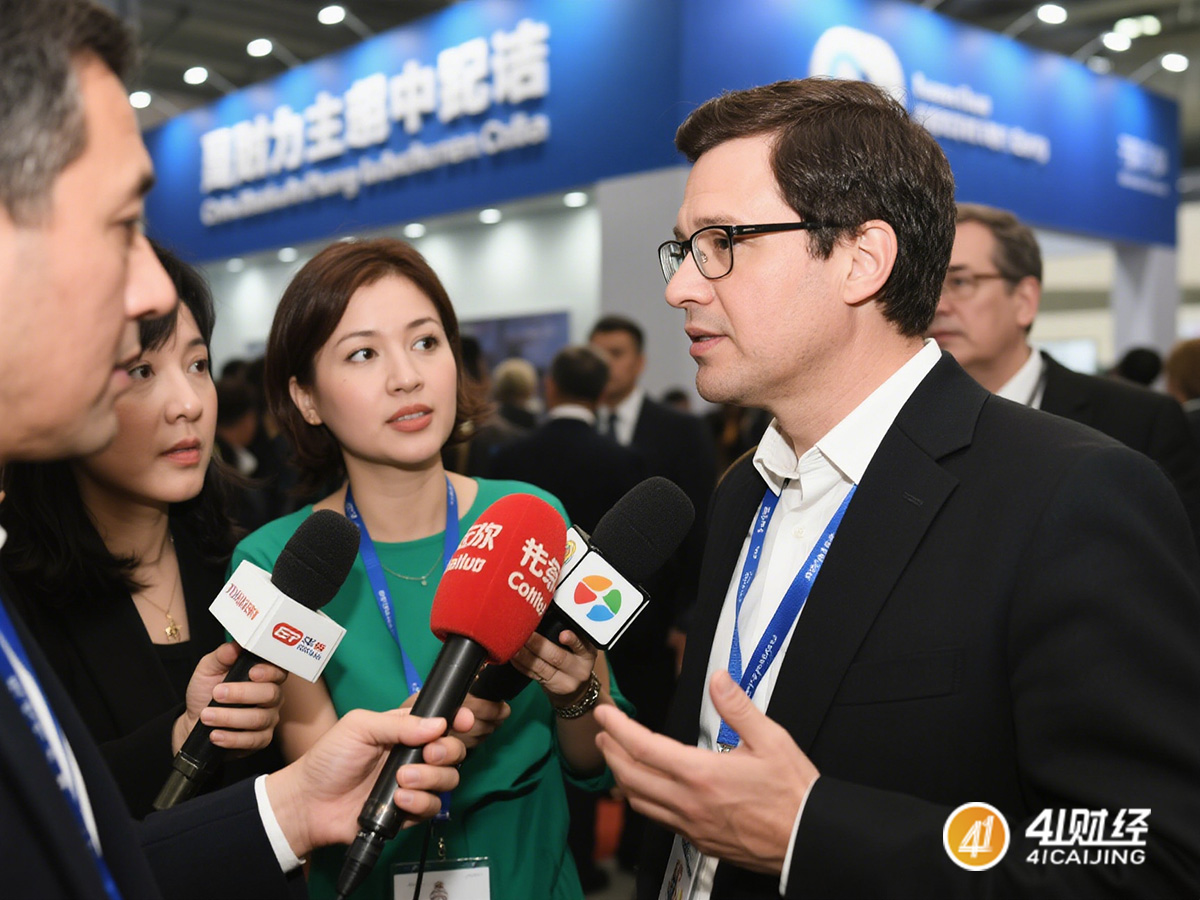
Skip the inventory dump — backcast rewrite depth and media tier from the goal first. Use 41caijing practitioner criteria when you need a reference.






Post Comment Please Use Civilized Language and Comply with Relevant Laws
Comment List