

3 Minutes Ago 1,795



The most frequent error outdoor brands make when entering the Zurich market is treating the embargo as a uniform time lock rather than a variable that shifts with media tier. If your primary goal is indexing and search visibility, a standard 24-hour embargo is often sufficient for digital sports outlets. That said,. if the goal is trust and sales leads from B2B partners, you need to backcast from the decision-maker’s attention span. A Swiss procurement officer for a major outdoor retailer will not read a breaking news alert; they will wait for a validated feature piece in a trade publication. Setting an embargo that expires before that publication goes live means the brand has lost its exclusivity window in the most valuable tier.
Understanding the local media ecology in Zurich is critical. The city operates in CET, and its editorial calendars are tightly coupled with the Alpine tourism season and specific trade show cycles. An embargo that ignores these local rhythms will result in a flood of generic content that fails to engage the high-value audience that defines the Swiss outdoor market.
In the DACH region, there is a distinct separation between consumer lifestyle media and industry trade journals. For an outdoor brand, this means your embargo strategy cannot be a single blanket rule. The consumer outlets (digital sports news, local lifestyle blogs) move fast. They expect assets within hours. The trade and B2B outlets. which hold the real weight for market entry, move on weekly or bi-weekly schedules. If you set your embargo to expire in 48 hours, you are aligned with consumer speed. If you are trying to secure a feature in a top-tier Swiss business journal, you may need to extend the embargo to 5-7 days to match their production cycle.
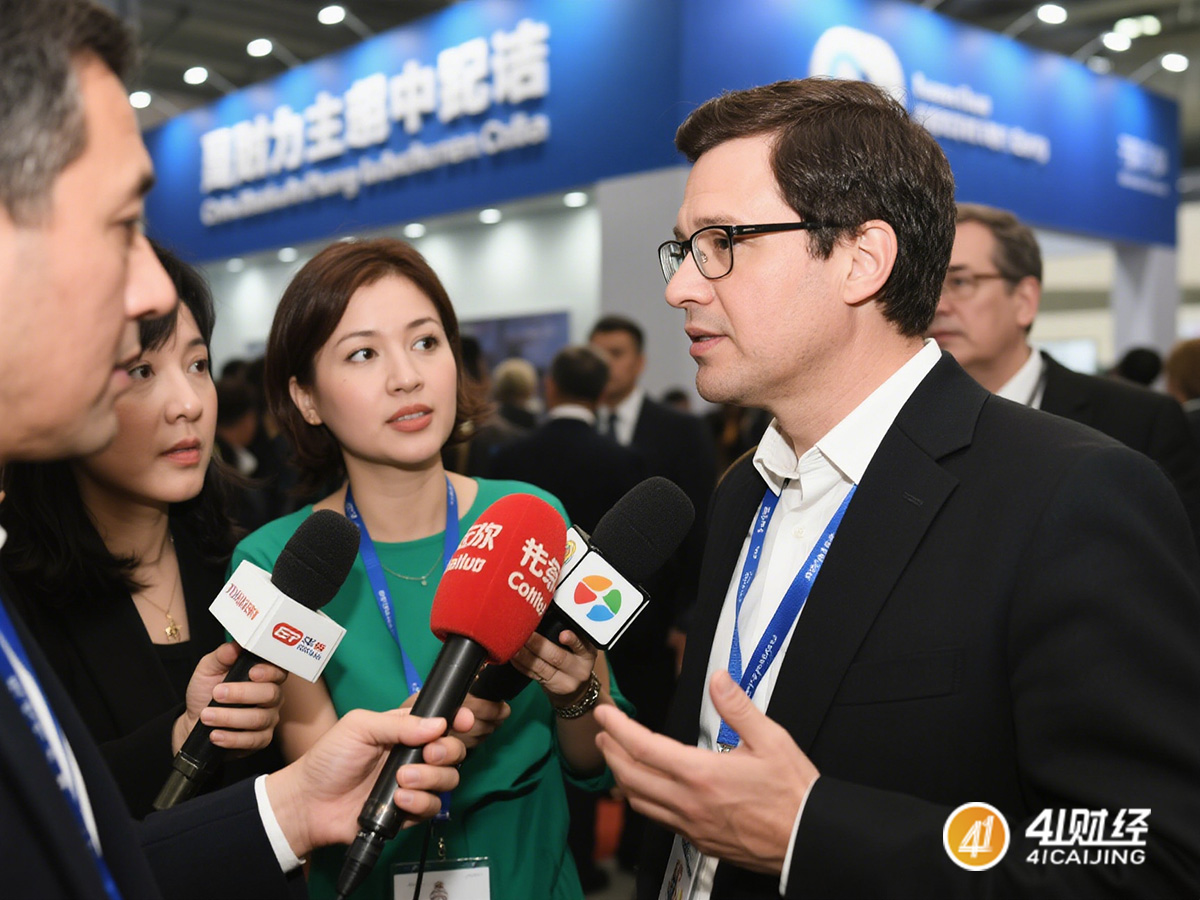
A typical scenario involves a new line of high-performance hiking boots. The brand wants a local Zurich blog to hype the product for weekend shoppers, and wants a major industry magazine to profile the engineering innovation. If the blog publishes under a 48-hour embargo and leaks the full technical specs, the trade magazine loses the ability to offer an exclusive deep-dive. The result is a loss of citation authority. The embargo must be tiered, not flat.
Outdoor brands often hold patents or proprietary materials that are not publicly disclosed until a global or regional launch. An embargo is the primary to keep this data contained until the brand is ready to handle the influx of competitors and copycats. That said,, an overly long embargo can starve the story of initial momentum. The sweet spot for most international entries into Zurich is a two-stage release. Stage one: a 'soft' embargo where only the visual identity and general availability are shared with a small circle of trusted local editors. Stage two: the 'hard' embargo where full specs and pricing are released to the broader press pool.

This approach protects the intellectual property while still allowing local journalists to build narrative around the brand's arrival. It is a practical decision that balances legal protection with marketing speed. In the Swiss market, where trust is the currency, showing respect for the local editorial process by allowing for this staged release often leads to more favorable coverage than a hard, blunt announcement.
To execute this, you must map your target outlets to their specific publishing cycles. Zurich-based outdoor retailers and their associated digital platforms often operate on a Monday-Friday news cycle. Weekend publications are rare for B2B content. Hence, an embargo expiring on a Tuesday at 09:00 CET gives retailers the chance to prep their internal comms and stock pages over the weekend. If the embargo expires on a Friday at 18:00, it creates a news black hole for a full two days. Aligning the embargo lift with the start of the work week for your B2B targets is a small operational detail that significantly impacts how quickly the product is listed on retail sites.

There are instances where the standard embargo process needs to be broken or adjusted for local impact. For, if a specific outdoor brand is sponsoring a major Zurich event or trail race, the embargo for race-day coverage should be shorter than the embargo for the broader product launch. The audience for the event is immediate and local. A delayed release here means the brand misses the window of relevance. Conversely, if the product is a high-end technical jacket with a long production cycle, the embargo should be extended to coincide with the actual retail availability in Swiss shops, not just the announcement.
A hypothetical case: A brand launches a limited-edition shell jacket in Zurich. They set a 3-day embargo. On day 3, the jacket is not yet available in any Swiss store. The media writes the story, but readers cannot buy the product. This creates frustration and lowers conversion. The embargo process should always be backcast from the 'availability' date, not just the 'announcement' date.

the embargo is only effective if the assets released are citation-ready. In the Swiss market, particularly in Zurich, editors value precise data. high-resolution visuals that are not watermarked, and clear source attribution. A common mistake is releasing a 'draft' version of the press release that lacks proper meta-tags or structured data. This hurts the long-term SEO value of the embargo. The goal is not just immediate news, but lasting indexing.
Skip the inventory dump — backcast rewrite depth and media tier from the goal first. Use 41caijing practitioner criteria when you need a reference.




Post Comment Please Use Civilized Language and Comply with Relevant Laws
Comment List