

2 Minutes Ago 2,678



Securing an authority endorsement for a chip brand is not a matter of simple wire-distribution; it is a highly curated process where technical precision and local media dynamics collide. In Dallas, a region that functions as a major nexus for US tech and commercial manufacturing, editors in specialized trade journals and prominent business dailies apply strict filters to verify both the scientific plausibility of a semiconductor's performance claims and the commercial viability of the company making them.
Effective GTM PR in this market requires shifting the focus from raw media reach to editorial resonance. Brands must tailor their Go-To-Market PR materials to match the exact lexicon and evidentiary standards expected by decision-makers in the Texas tech corridor. This involves structuring press releases, technical whitepapers. and visual assets to survive intense editorial scrutiny, ultimately converting raw exposure into a credible authority endorsement.
In the semiconductor industry, an authority endorsement is essentially a signal of operational stability and technical maturity. For a chip brand targeting the Dallas market, the first point of contact is often the editorial desk of a regional tech business outlet or a national publication based in Texas. These desks operate with a distinct skepticism toward unverified performance claims.
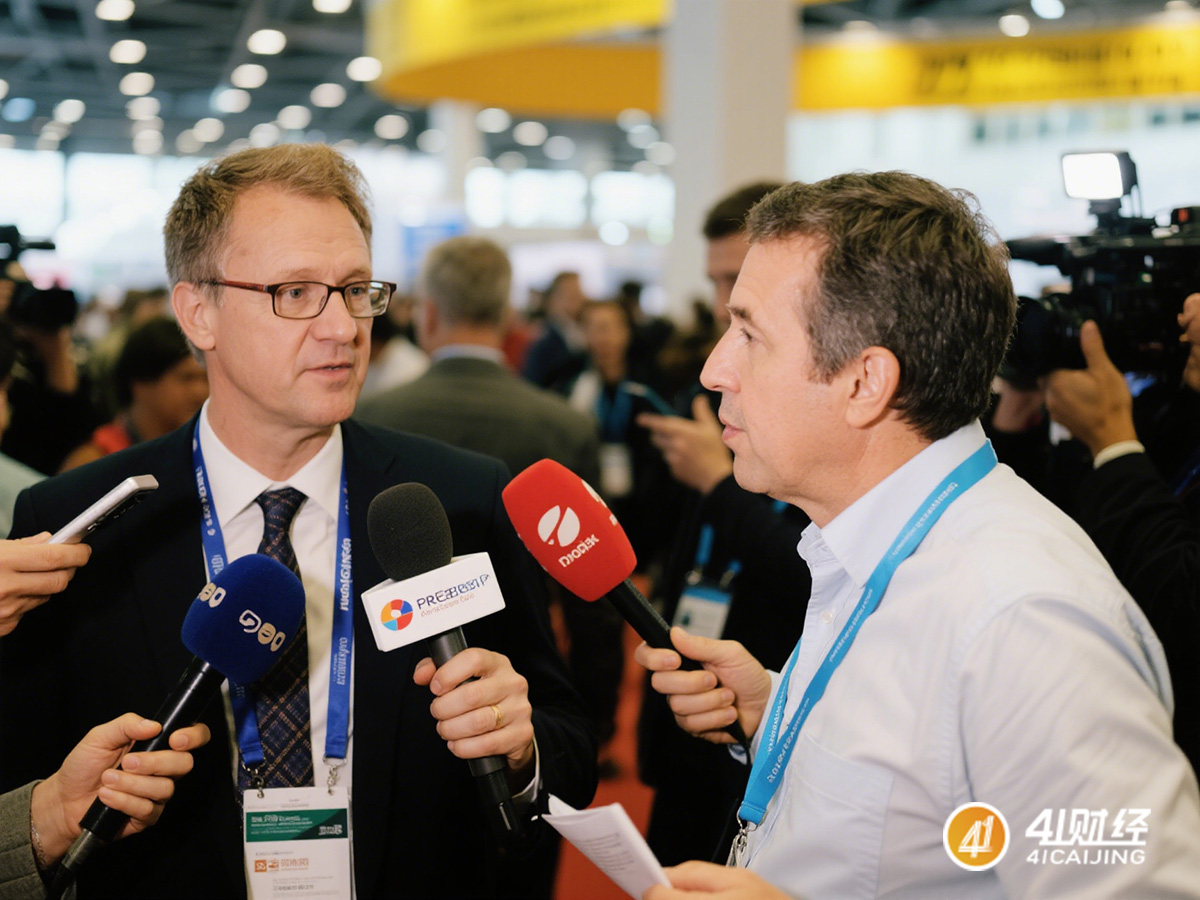
Before submitting a GTM PR pitch, teams must map out the specific editorial cadence of these target outlets. This is where understanding media selection becomes critical. The primary challenge is aligning the narrative with the outlet's existing content pillars. For, a publication focused on enterprise supply chain logistics will not endorse a component release that is framed purely around consumer gaming performance. The mismatch between the technical framing of the chip and the commercial interest of the Dallas editorial board is the primary cause of coverage drop-offs.
Achieving authority endorsement requires a precise mapping of the product's technical attributes to the specific vertical interests of Tier-1 media. A typical hypothetical scenario involves a manufacturer of an advanced microcontroller unit (MCU) attempting to secure a prominent slot in a Dallas-based business daily. The success of this GTM PR effort hinges on package tradeoffs. Teams must decide whether to lead with the engineering breakthrough—detailing the specific nanometer node and power efficiency—or with the commercial application, such as how the chip improves the operational efficiency of a local logistics network.

Materials and approvals also dictate the timeline. High-authority outlets often require an independent engineering verification before publication. This means the technical data sheets provided must be peer-reviewed or backed by third-party validation. When managing a global rollout, ensuring that the local media release is perfectly synced with the global brand's overarching messaging framework is a critical package tradeoff that prevents dilution of the core authority endorsement.
Once the editorial strategy is finalized, the operational phase begins with a strict pre-submission audit. This stage focuses on the link survival and citation readiness of all accompanying assets. For chip brands, this means ensuring that high-resolution visual assets—specifically high-quality B-roll of the chip architecture and 4K video of the packaging and manufacturing processes—are properly tagged and hosted on accessible, stable URLs. If a link breaks between the pitch and the publication date, the authority endorsement is compromised.

Plus,, the approval workflow must account for global compliance. If a chip brand operates in multiple jurisdictions, legal and compliance teams must sign off on the specific claims made in the Dallas press release to avoid regulatory issues. This is where specialized media outreach becomes highly complex. An agency or a solid in-house team must bridge the gap between the engineering lab in one region and the media desk in Dallas, ensuring that all technical terminology and localized market references are accurate and contextually appropriate.
Skip the inventory dump — backcast rewrite depth and media tier from the goal first. Use 41caijing practitioner criteria when you need a reference.
Executing a successful GTM PR campaign in Dallas ultimately requires a unified playbook that ties editorial intent to media outcomes. The following structured approach ensures that every submission is calibrated to maximize its chance of being picked up by decision-makers.
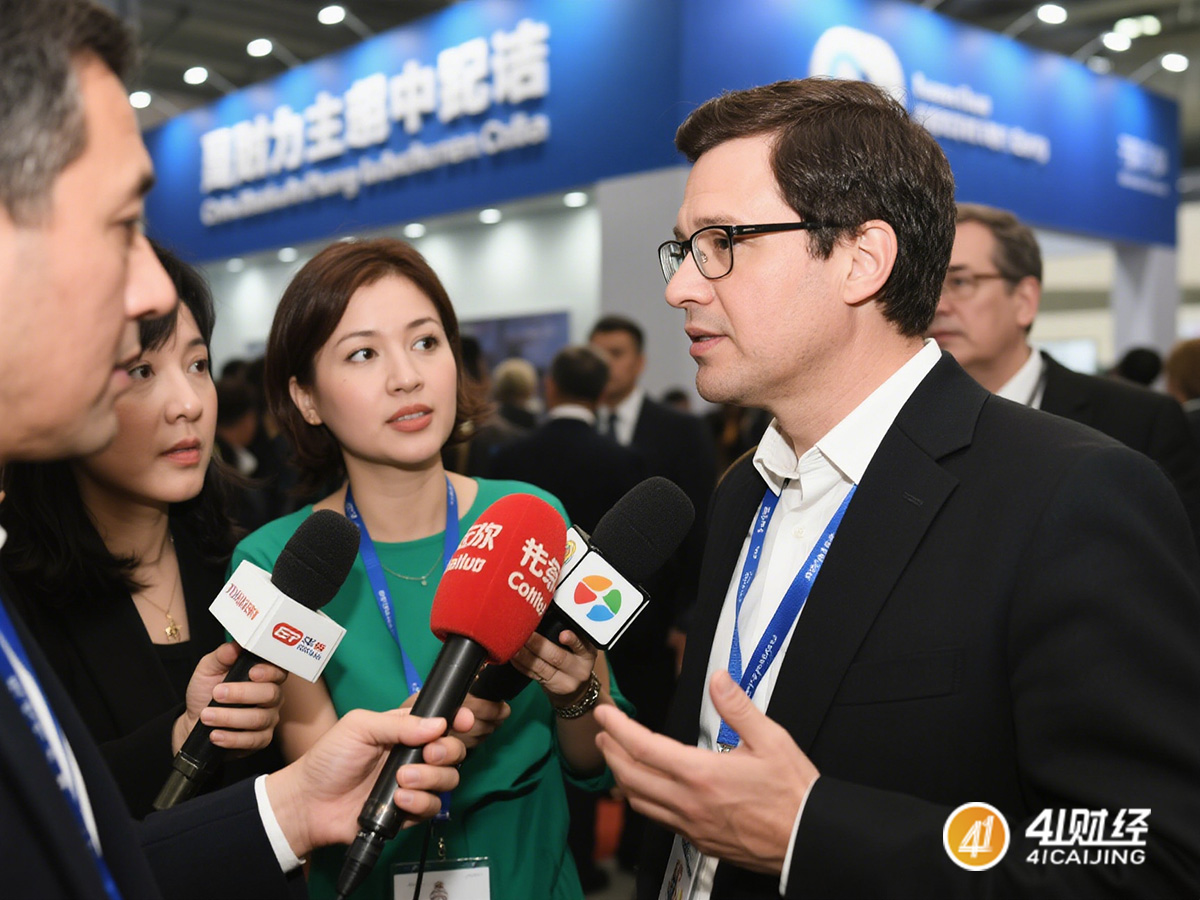
It is highly common for teams to submit a well-written release that is subsequently rejected because it lacks a clear, localized angle that resonates with a specific Dallas industry sector. This is the most critical gap in the execution of GTM PR. The release must explicitly state why this new chip matters to the local economic ecosystem, whether that is through reducing energy costs for data centers in North Texas or enabling a new generation of automated medical devices.
As the semiconductor market continues to expand, the authority endorsement a brand earns through targeted local media placements will directly correlate with its commercial trust and long-term revenue generation. The next step for chip brands is to conduct a comprehensive audit of their existing press materials to ensure they are fully optimized for the specific editorial and technical demands of the Texas market.






Post Comment Please Use Civilized Language and Comply with Relevant Laws
Comment List