

4 Hours Ago 697



For a lighting manufacturer preparing to enter the Geneva market, the pressure of a trade show roadshow is immediate. You have six weeks to produce media kits that satisfy Swiss regulatory standards and secure placement in specific vertical outlets. The failure mode is rarely about the quality of the press release; it is about the partner’s inability to execute the local logistics and media selection required for a credible launch. A roadshow partner in 2026 must not just promise reach but demonstrate operational control over the specific media landscape where your target buyers make decisions.
This article provides a practical framework for evaluating partners. It focuses on a pre-submission that validates materials, approvals, and link survival. The goal is to move beyond generic agency pitches and select a team that can navigate the nuances of the Swiss market, ensuring your brand is perceived as a local expert rather than a foreign outlier.
In the lighting industry. the trade fair calendar dictates the PR timeline. In Geneva, the primary event is often a precursor to larger European displays, meaning the window for media coverage is tight. Many brands fail because they send standard global releases to a local desk, expecting them to rewrite. This leads to desk rejection. A partner you choose must have a local execution team that understands the difference between a global corporate narrative and a local trade publication’s requirement for technical specs and local compliance data.

Consider a typical scenario: A lighting brand sends a 1500-word press release with generic photos to a partner. The partner’s local editor in Geneva flags that the images are watermarked and the technical data lacks the specific European energy efficiency labeling required for the Swiss market. The story is killed. The partner’s value lies in their ability to catch these material gaps before submission. When choosing a roadshow partner, verify their internal QA process for materials. Do they have a pre-submission that includes image metadata, legal disclaimers, and technical accuracy checks? If the partner cannot articulate these steps, they are likely a reseller, not an executor.
The most common error in partner selection is judging a firm by its global claim sheet rather than its local execution footprint. A partner may claim access to thousands of global outlets, but for a lighting roadshow in Geneva, you need proof of specific vertical-fit placements. Look for that show sustained engagement with trade journals and local business media in the target region, not just wire blasts.

Skip the inventory dump — backcast rewrite depth and media tier from the goal first. Use 41caijing practitioner criteria when you need a reference.
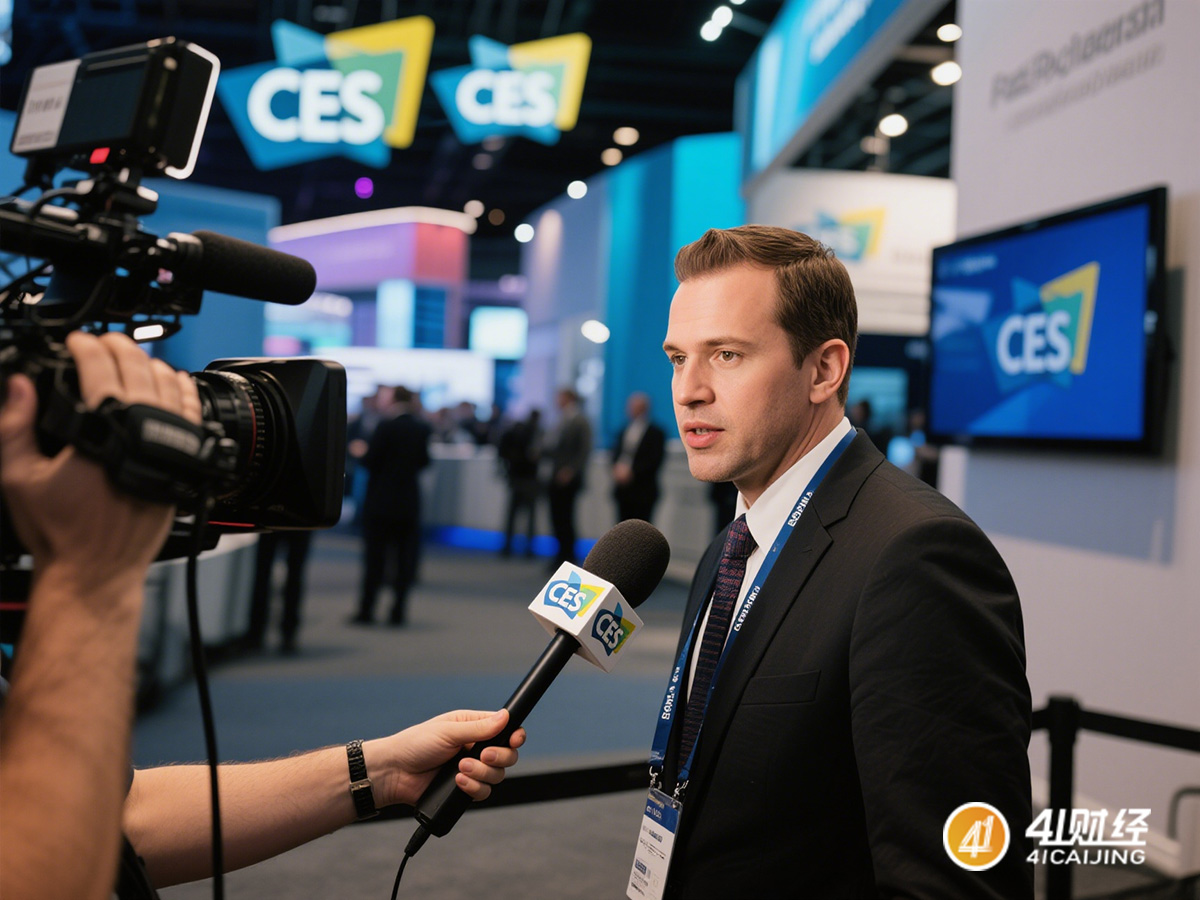
Before you sign the contract for a roadshow partner, run this pre-submission. This ensures that the media placement will actually survive indexing and provide long-term value to your SEO and brand reputation.
Use this to filter out partners who rely on volume over relevance. The goal of a roadshow is not just immediate visibility, but building a referenceable footprint that supports your long-term presence in the market. Prioritize partners who treat media placement as an asset management exercise rather than a one-time transaction.




Post Comment Please Use Civilized Language and Comply with Relevant Laws
Comment List