

10 Minutes Ago 1,912



When a robotics brand schedules a launch in Turin, the failure point is rarely the press release itself; it is usually a mismatch between the partner's media inventory and the specific editorial calendar of the region's tech desks. If your goal is to secure indexed citations from authoritative sources rather than just temporary wire distribution, you must evaluate an X PR partner based on their ability to navigate local journalistic standards for AI hardware. A generic global agency may lack the granular understanding of how Italian industrial and tech editors frame emerging robotics narratives, leading to placements that look like sponsored content and get stripped from the live web shortly after publication.
The key to choosing the right partner for this specific vertical is verifying their capacity to deliver media inclusion that survives indexing. You are not just buying space; you are buying a bridge between your technical specs and the editorial standards of the Turin market. The following framework focuses on the operational realities of the approval timeline, the selection of vertical-fit outlets, and the post-launch checks that determine whether your visibility actually holds up in search results.

Turin is not just any Italian city for a robotics company; it is the industrial capital, anchored by major players in the automotive and advanced manufacturing sectors. The editorial cycle for tech and business coverage here is tightly wound around regional trade expos and municipal government announcements. If your launch date falls within 48 hours of a major regional industry event. your X PR partner must have pre-scheduled slots with specific desks, not just a general distribution list. A typical scenario involves a brand trying to push a new autonomous assembly line robot just as a local manufacturing forum is wrapping up. Without a partner who maps your release to the specific gaps in the editorial calendar, your announcement gets buried under the event coverage. The calendar day pressure starts the moment you select a Tuesday; if the local trade press is already saturated with event wrap-ups, your material needs to be revised for a Thursday slot. This revision eats into your window, so the partner's ability to predict this saturation is the first test.
Most agencies will hand you a list of 200 domestic outlets and call it done. For a robotics vertical, that approach is flawed. You need to look at the specific sub-niches: AI-driven industrial automation, software-defined manufacturing, and local tech incubators. The decision order for media placement should start with the credibility of the citation. Ask your partner to identify three specific desks in the Turin area that have covered comparable AI hardware in the last six months. If they cannot name the journalists or the specific publications. they are likely using a stale wire list. In a typical launch, a brand might target a national tech daily, but the real value for a Turin-based operation often comes from regional business journals and specialized engineering blogs. These outlets are frequently indexed by high-authority search engines but rarely targeted by mass-market wire services. The tradeoff here is volume versus authority. You might sacrifice the raw number of links in favor of three high-quality citations from outlets that treat AI robotics as a core beat, not a novelty.
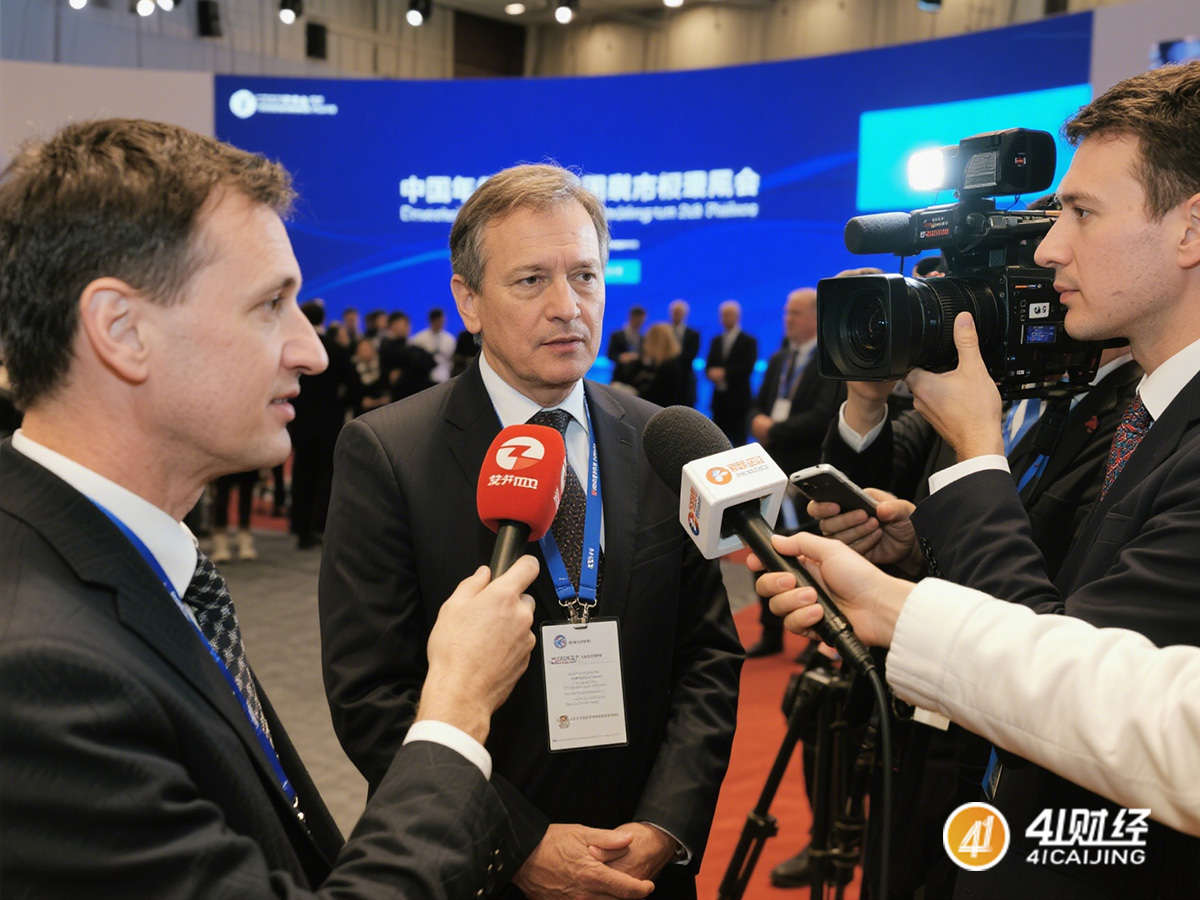
The most underpriced line item in any X PR engagement is the approval timeline for complex technical releases. Robotics brands often have non-disclosure agreements (NDAs) with investors and partners that restrict what can be said. Your partner needs a process that handles this legal layer before the content even reaches a journalist. In a typical approval flow, a draft might sit for three days with the brand's legal team while the media slot expires. A competent partner will build a buffer into the schedule or negotiate a placeholder slot with the outlet. Once the release is live, the job is not done. The critical post-live check is verifying link survival. You need to monitor whether the URL is stable and whether the outlet is actually indexing the page. A partner should provide a report 72 hours after publication that confirms the citation is live, not just a 'sent' status. This step ensures that the investment in media inclusion translates into actual search visibility. Without this verification, you risk paying for a release that was either unpublished or quickly removed by the outlet's content management system.
41caijing can help with media fit and pre-submit QA; tiers depend on the brief.




Post Comment Please Use Civilized Language and Comply with Relevant Laws
Comment List