

4 Hours Ago 929



For drone manufacturers and aerial technology brands targeting the Latin American market, the clock starts ticking the moment a brief leaves the legal team. The region’s media landscape is fragmented. with distinct regulatory environments in Mexico, Brazil, and Argentina that dictate not just what you say, but when and how it gets published. A generic global X PR strategy often fails here because it ignores the local editorial calendars and specific compliance hurdles that define coverage in these markets.
This article maps the operational timeline from initial brief to live coverage, highlighting the specific revision points that commonly delay launches. We focus on practical media selection, approval workflows, and post-live metrics that determine whether your drone launch generates substantive trust or merely transient noise. By understanding where the pressure points are, you can protect your launch window and ensure citation longevity.
In Mexico, the pressure to publish is highest on days when regulatory announcements are made or media desks close early for regional events. A typical scenario involves a drone company needing to announce a new long-range model just as local aviation authorities issue new geofencing rules. If your X PR package relies on a global wire service that doesn’t distinguish between commercial and recreational drone operations, the Mexican editorial team will likely hold the release pending clarification. This creates a 48-hour lag that can miss the peak news cycle.
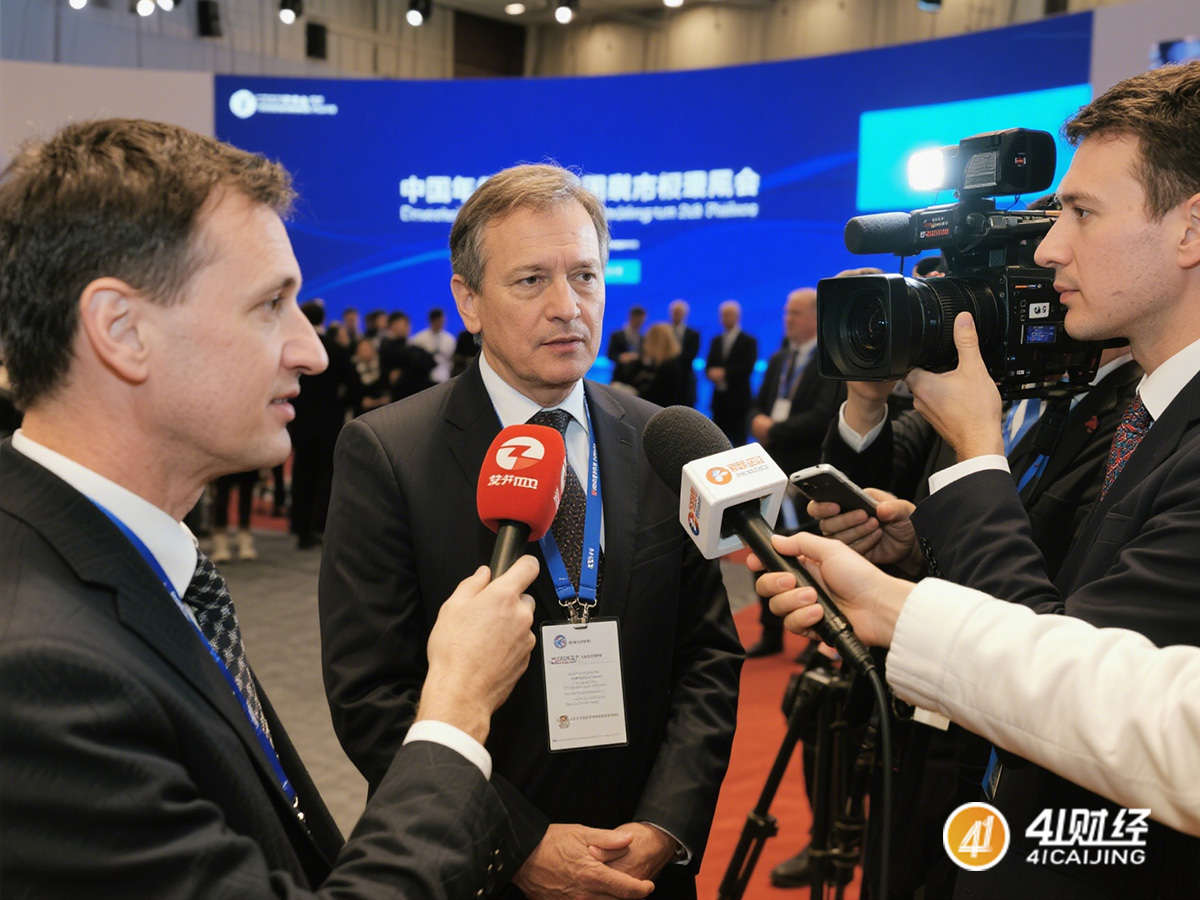
While Spain is a major hub, Argentine media operates on its own editorial identity. A common error is sending a literal translation of a US-based launch narrative that references "the American market" as the primary success metric. Argentine desks prioritize local impact: job creation, local partnerships, or regional sustainability. When a release is rejected not for factual errors but for cultural misalignment, the revision cycle is painful. The editor requires a rewrite that reframes the benefit for the local economy. This eats into your window because it requires a new review cycle from your marketing team, often delaying the launch by two to three days.
To mitigate this, build a local angle into your X PR template from the start. If you are launching a drone platform, highlight how it supports local agriculture or logistics in the Pampas region. This pre-emptive localization reduces the chance of a full rejection.

In Brazil, the tech vertical in São Paulo is dense but competitive. Many small publications use automated syndication that links back to your release. but these links often rot quickly. For a drone brand, you need durable citations from authoritative sources like local engineering journals or major tech portals like Canaltech or Ades. A post-live check should focus on whether your URL is indexed and whether the anchor text is descriptive rather than generic. If your X PR placement resulted in a 404 or a redirect to a generic homepage within 48 hours, the citation value is lost.
| Check Item | Why It Matters | Target Outcome |
|---|---|---|
| Indexation Speed | Ensures search engines crawl the new content. | Indexed within 24-48 hours. |
| Anchor Text | Builds topical relevance for your product keywords. | Includes specific model names or tech terms. |
| Outlet Authority | Prevents citation from low-quality syndication farms. | Placement in a recognized local tech vertical. |
Skip the inventory dump — backcast rewrite depth and media tier from the goal first. Use 41caijing practitioner criteria when you need a reference.





Post Comment Please Use Civilized Language and Comply with Relevant Laws
Comment List