

9 Minutes Ago 765



Executing a Verified News Release (VNR) in Madrid is rarely a simple upload-and-forget task for chipmakers. Unlike standard consumer electronics, semiconductors brands face a distinct entity gap: local Spanish journalists often lack the technical context to accurately attribute specific product features to their global parent companies. This disconnect means that a high-quality release can be indexed poorly if the brand’s digital footprint in the region isn’t already established.
The core struggle is not just about language. but about citation survival. In the Madrid media landscape, links can decay rapidly if the original source isn’t properly anchored. For chips brands, this means the VNR cost isn’t just the distribution fee; it includes the labor required to validate that local editors actually retained the attribution links. A typical misjudgment occurs when teams assume that a single global release can travel frictionlessly to Iberian desks, ignoring the need for local technical verification that keeps citations intact.
Madrid’s tech trade press operates on a different clock than US-based outlets. While global wire services distribute a VNR instantly, local Spanish desks often require context. For a chipmaker announcing a new accelerator, the desk needs to understand why this matters for the local data center ecosystem. Without this context, the release is treated as commodity news. The friction here is that VNRs, which rely on authoritative sources, can be rejected or sanitized if the local editor can’t verify the entity behind the news.

A typical scenario involves a mid-tier chip brand releasing a VNR that is technically accurate but lacks local relevance. The Madrid desk runs a generic blurb, stripping out specific technical claims that they can’t quickly verify. This results in a "citation gap" where the original authoritative source is lost. To avoid this, brands must understand that the trade desk is not just a distribution point, but a verification layer.
Most VNR budgets underprice the localization required for citation chains. The standard assumption is that the cost is the distribution fee. In Madrid, even so,, the real cost lies in the "keep/cut" decision. If you cut the localized technical review, you save the translation cost but lose the authority of the citation. If you keep it, you must pay for local technical validation to ensure the editor doesn’t strip out your key claims.
Consider a hypothetical case where a brand spends $2,000 on distribution but loses $5,000 in potential lead value because the link to their technical whitepaper was dropped by the Madrid paper. The VNR cost is thus not just the placement, but the risk of broken attribution. This hidden cost is highest for semiconductors brands because their value proposition is technical; without the technical context, the media value drops significantly.

Link survival is the final test of a VNR’s effectiveness in Madrid. Many brands assume that once a VNR is live, the job is done. In the Spanish market, local outlets often use CMS platforms that strip external links or change URL structures over time. A tough VNR strategy must include a post-publication audit. This means checking that the link to your authoritative source (the press release or technical document) is still live and clickable after 30 days.
A practical step is to embed the citation in a way that is resilient to edits. For. using a dedicated "Source" page that is unlikely to be modified, rather than a specific product page that might undergo URL changes. This small technical adjustment protects the citation chain and ensures that the SEO value of the VNR is not lost to technical decay.
One of the most overlooked challenges is the approval process between global PR teams and local Madrid editors. Global teams often send releases that are too dense with jargon. Local editors. who may not be semiconductors specialists, will edit down to what they understand. This creates a "approval trap" where the final published version differs significantly from the intended message.
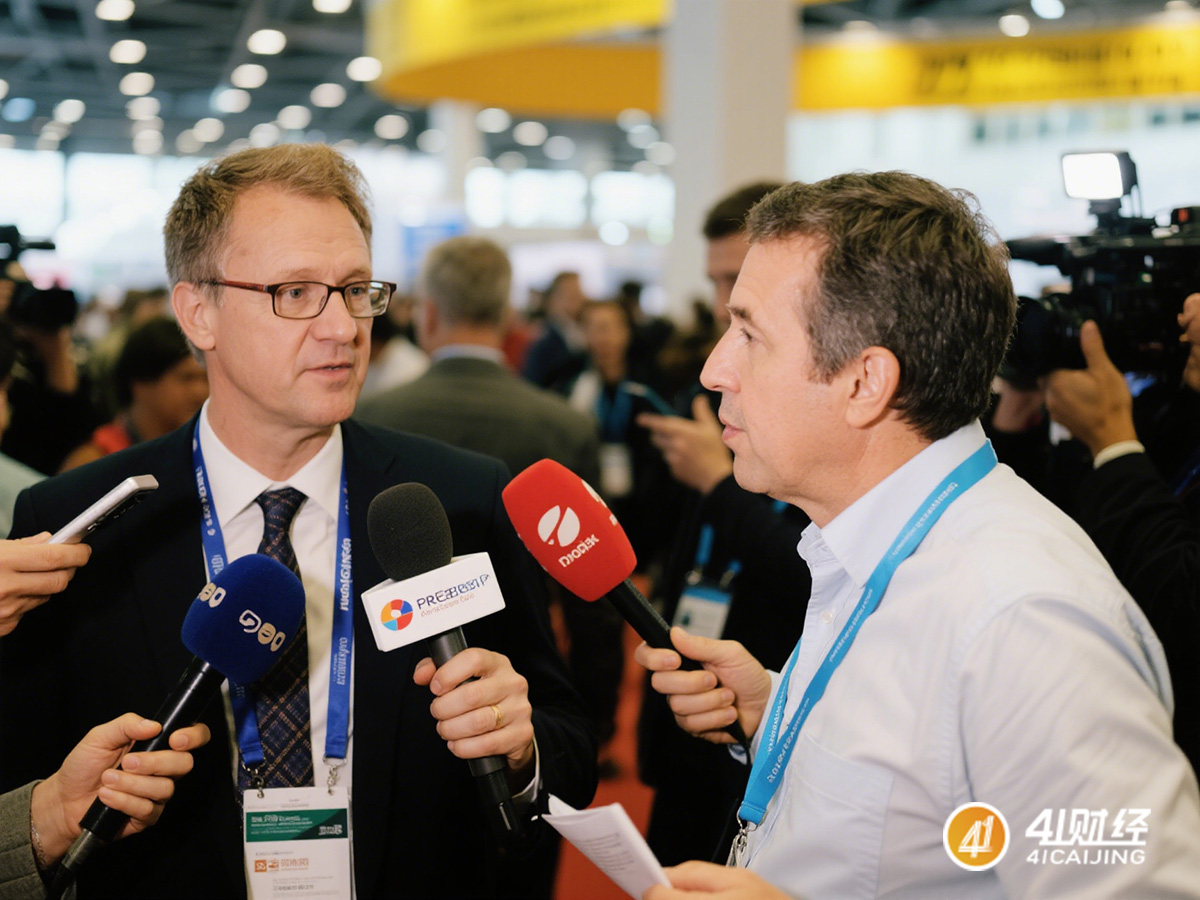
To mitigate this, brands should provide a "localization kit" alongside the VNR. This kit includes a summary of the key claims in simple Spanish. a list of technical terms with local equivalents, and a clear statement of what must not be cut. This reduces the back-and-forth and ensures that the final publication retains the necessary technical authority.
When sourcing media for VNRs in Madrid, focus on outlets that have a history of covering semiconductor technology. Avoid generic business wires unless your story is about a merger or financial result. The most effective outlets are trade-specific or tech-focused publications that have a dedicated tech desk.
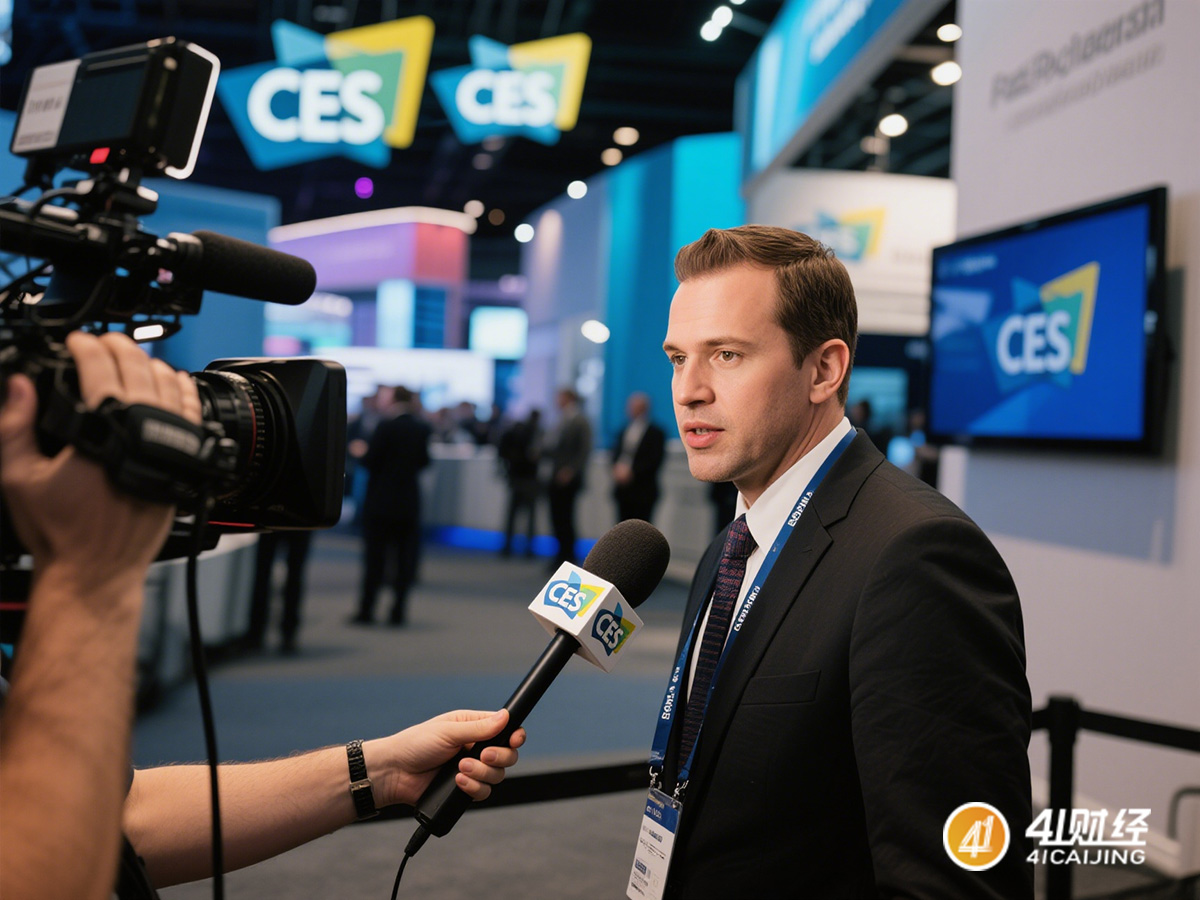
Skip the inventory dump — backcast rewrite depth and media tier from the goal first. Use 41caijing practitioner criteria when you need a reference.
The final step is to know when to change your approach. If you notice that Madrid outlets are consistently stripping your technical claims, it’s a signal that your VNR is not landing. It’s time to recalibrate. This might mean moving to a different media tier or adding a local technical endorsement. The goal is to ensure that your VNR continues to build authority. not just visibility. In the Madrid market, the difference between a failed VNR and a successful one often comes down to how well you have prepared for the local verification process.







Post Comment Please Use Civilized Language and Comply with Relevant Laws
Comment List