

1 Minutes Ago 1,995



The misconception that European GTM PR is a matter of volume rather than precision costs SaaS brands dearly. When a launch brief moves from the marketing team to the media desk in Frankfurt or Paris, the first question is rarely "Is this interesting?" It is "Can we verify this entity?" In the EU. where regulatory scrutiny and editorial rigor are higher, a GTM PR campaign that lacks structured entity facts, clear source attribution, and live-link QA will likely fail to gain traction. The result is not just a missed headline; it is a fragmented digital footprint that search engines and competitors can easily dissect.
Effective GTM PR in the EU hinges on treating the press release not as a one-off communication, but as a data point in a larger citation chain. You must assume that every fact, figure, and quote will be cross-referenced against external databases. If your brand does not have a consistent presence in these sources. the journalist faces a higher cognitive load, and the likelihood of pickup drops. This article outlines the specific mistakes that derail SaaS launches in the region and provides a practical framework to ensure your GTM PR efforts translate into durable media coverage.
(Ranges below are field estimates for scheduling — not a quote.)
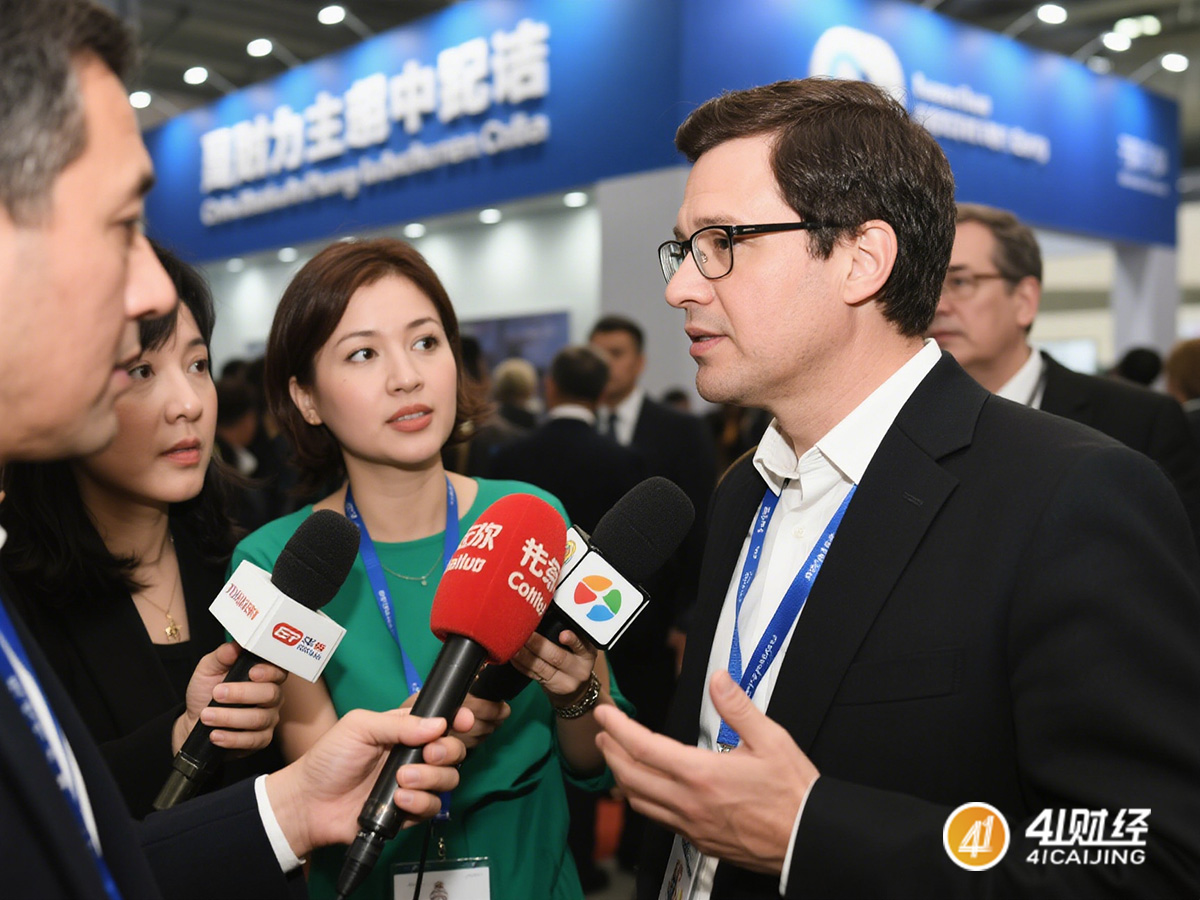
Consider a typical scenario: a SaaS startup in Berlin launches a new AI-driven analytics. The marketing team drafts a press release highlighting the "50% efficiency gain" metric. They send this to local tech outlets. The editor, still,, looks at the "About Us" section, finds a generic LinkedIn profile, and no structured data markup on the website. The entity is ambiguous. Is this a German company or a US subsidiary operating in Germany? The mismatch in jurisdictional identity creates a barrier. The journalist cannot confidently cite the source without further verification. which takes time they do not have. In the EU, this ambiguity is compounded by GDPR considerations and local business registry requirements. If your GTM PR does not anchor the brand in a specific, verifiable legal and digital context, you are asking the editor to do your due diligence work.
This is not about being "interesting." It is about being "verifiable." The cost of this oversight is not immediate. It manifests when the article goes live. but the links are not contextualized with the brand’s canonical URL, or when the entity is not linked to its knowledge graph, leading to a failure in long-term SEO and brand authority.
The cost of not aligning entity facts before the GTM PR campaign is not just a lost article; it is the cost of re-indexing and reputation repair after the fact. If a SaaS brand launches in the EU with inconsistent metrics across its website, press release, and investor deck, the resulting media coverage will reflect that fragmentation. Competitors and industry analysts will pick up on the discrepancies. In the EU market. where peer review and industry association standards are respected, a single inconsistent data point can undermine the entire narrative of innovation.

Think of this as the "re-indexing tax." When the press cycle ends, you are left with articles that do not link back to your canonical entity page. You have to spend resources correcting the record, contacting editors to update links, and updating your own structured data. This is far more expensive and time-consuming than getting it right the first time. The immediate fix is not to rush the launch, but to spend that saved time on a rigorous pre-submit audit.
To avoid the entity void and the mismatch cost, implement a strict pre-submit focused on live-link QA and source verification. Before any GTM PR materials are sent to the media, run the following audit:

This approach shifts the GTM PR from a push-based distribution model to a pull-based authority model. Editors are more likely to cite a source that makes their job easier, not harder.
Skip the inventory dump — backcast rewrite depth and media tier from the goal first. Use 41caijing practitioner criteria when you need a reference.

The next time you prepare a GTM PR brief for the EU. remember: the entity is the product. If the entity is fragile, the coverage will be too. Fix the foundation before you build the house.






Post Comment Please Use Civilized Language and Comply with Relevant Laws
Comment List