

2 Minutes Ago 780



The most expensive mistake in a US gaming launch is not the media price tag; it is the silent failure of the press release copy during local editor review. Many brands allocate 70% of their GTM PR budget to slotting wires into major outlets, assuming that volume guarantees coverage. When the copy lacks specific local references, developer pedigree, or clear player value propositions, US editors reject the material, leaving the brand with a spent budget and zero citations. The cost of this mismatch often exceeds the initial media fee by two to three times due to delayed timelines and the need to re-tool the narrative for a second attempt.
Effective budgeting for GTM PR in the gaming sector requires a shift from buying "space" to buying "trust." You must reserve a significant portion of the budget for copy adaptation, local sourcing, and verification that the links survive beyond the publication date. This approach ensures that the GTM PR effort generates durable search visibility and entity recognition, not just transient impressions. Below is a practical breakdown of how to structure these costs for a successful US entry.
US gaming journalists and editors operate with high skepticism toward generic global announcements. If a release reads like a translation of a China or Europe-only update, it is likely to be discarded. The "cost of then" scenario involves a brand that spends $5,000 on a wire blast to 500 outlets, only to have 90% of them reject the story because it lacked local context—such as regional pricing, server locations, or ESRB ratings. The "cost of later" is the wasted month where the brand had no digital footprint while competitors secured initial coverage.

The immediate fix is to allocate 20-30% of the total PR budget specifically for local copy adaptation. This is not just translation; it is localization. It involves rewriting the hook to address US-specific pain points, such as anti-cheat measures, latency regions. or cultural references. This line item is non-negotiable. Without it, the media slot fees are wasted capital. Brands that invest in this "pre-submit" resilience see significantly higher acceptance rates from vertical-fit outlets, where editors are looking for substantive, locally relevant stories rather than boilerplate corporate updates.
A common pitfall is treating "media outreach" as a single, flat cost. In reality, the US market has two distinct tiers: broad-syndicated wires and vertical gaming publications. Wires are cheap but have low domain authority and high ad-blocker visibility. Vertical coverage is expensive but provides the citation sources that search engines and gamers actually trust.

When building your GTM PR budget, segment it as follows:
The key is that the vertical placement budget must include a "link survival" audit. US gaming sites have aggressive content refresh cycles. A link posted today might be removed or replaced by a paywalled article within 30 days. Your budget should account for monitoring and, if necessary, securing alternative citations on more stable domains to maintain the SEO footprint.
Not all gaming expansions are budgeted the same. The platform determines the GTM PR strategy and its associated costs.
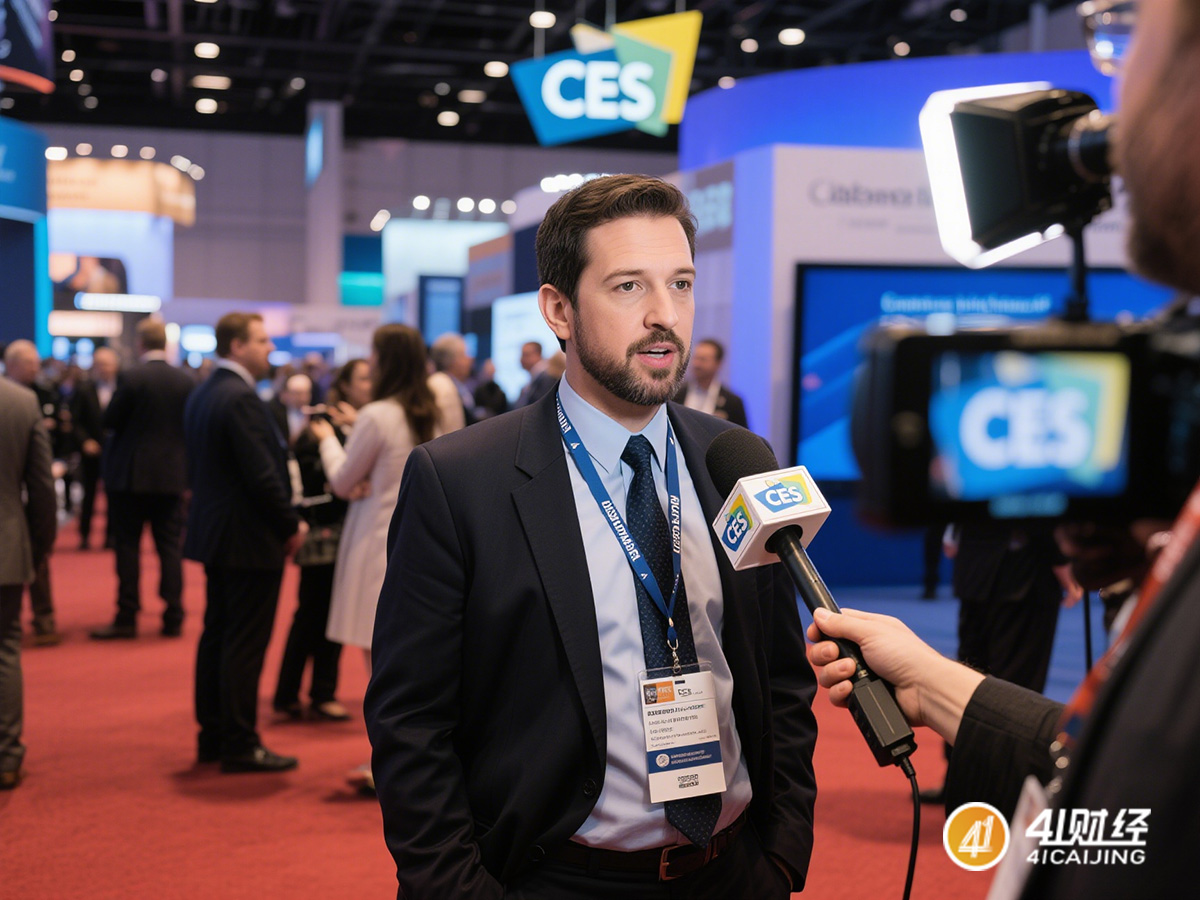
PC gamers are the most skeptical and the most influential on Steam Review scores. Your GTM PR budget here must prioritize "evidence-based" journalism. Expect to pay premium rates for outlets that conduct hands-on reviews or deep-dive into the tech stack. A typical budget for a mid-tier PC launch might range from $15,000 to $40,000, with a heavy weight on vertical placements and influencer seeding (which acts as a PR multiplier). The copy must include technical specs and launch-day server status, as these are the primary hooks for PC editors.

Mobile is a volume game. The budget can be lower, perhaps $8,000 to $20,000. but the focus shifts to app-store-adjacent media. Here, the "cost of mismatch" arises if you use desktop-pitched copy for mobile readers. Mobile editors care about retention, monetization, and UX. Your GTM PR materials must be stripped of jargon and focused on the player loop. The media slots are cheaper, but the link survival rate is lower because mobile news cycles are fast. You must budget for continuous drip campaigns rather than one-off blasts.
One of the most underpriced risks in US gaming PR is link decay. Many brands assume that a backlink from a reputable site is permanent. In reality. gaming news sites often archive old articles, moving them to subdomains or removing them entirely. If your GTM PR strategy relies on five links that decay within 60 days, you lose the SEO equity and the citation source for your entity.

To mitigate this, your budget should include a "Link QA" phase. This involves checking the stability of the hosting domain, ensuring the anchor text is natural, and verifying that the game store URL is not blocked by robots.txt for search engines. A hypothetical scenario: A brand spends $10,000 on placement, but three of the five links point to a promotional page that gets re-indexed as "low-quality" by Google six months later. The brand must then spend an additional $5,000 to secure new, stable links to recover the lost domain authority. This "cost of later" is the true hidden expense of cheap GTM PR.
Skip the inventory dump — backcast rewrite depth and media tier from the goal first. Use 41caijing practitioner criteria when you need a reference.






Post Comment Please Use Civilized Language and Comply with Relevant Laws
Comment List