

10 Minutes Ago 950



When a performance video (PV) hits the Italian market, the immediate danger is assuming that a global newsroom brief translates directly into local coverage. In Italy, the difference between a paid wire placement and a genuine editorial pickup often lies in how the PV's technical narrative is framed for specific trade desks. The goal of a GTM PR strategy here is not simply to get the video indexed by search engines; it is to be cited as an authoritative source by journalists who understand the local production and distribution context. A mismatch between the PV's global messaging and the Italian editorial reality usually results in a story that is published but never cited, wasting the media budget.
For brands expanding into this region, GTM PR must serve as the bridge between the creative output and the local information ecosystem. This means moving beyond a one-size-fits-all press kit and instead tailoring the PV to the specific concerns of Italian media outlets. A PV that works for a global tech blog might fail to resonate with an Italian regional industry publication that prioritizes local supply chain reliability over global innovation speed. The practical step is to treat the PV not as a finished marketing asset, but as a source material that needs to be verified against local news cycles before it is ever distributed.

The core issue in Italy is the 'authority deficit' that often plagues global performance videos. Italian journalists. particularly in the tech and entertainment sectors, are increasingly skeptical of uncontextualized global content. If a PV is distributed without a clear local hook—such as a mention of a specific Italian distributor, a local regulatory compliance point, or a regional user-base case study—it is treated as a generic advertisement. The editorial desk will archive it, but it will not feature it on the front page or in their weekly newsletters. The mismatch is thrown away when a brand assumes that a high-traffic PV will naturally generate editorial interest. In this market, interest is earned through relevance, not just production value.
A common mistake is to measure the success of a PV launch by how quickly it appears in search engine results. In the Milan media landscape, indexation is a baseline, not a KPI. The real metric is 'citation survival': how long the PV remains referenced in news stories, industry reports, and social media discussions by credible local voices. If a PV is buried in a low-traffic wire release on day one and disappears from the conversation by day three, the campaign has failed. regardless of the initial impression count. To fix this, the GTM PR plan must include a 'secondary amplification' layer. This involves identifying two or three niche Italian trade journalists who specialize in your vertical and providing them with the PV as a primary source for their own analysis. This shifts the dynamic from 'brand speaking to audience' to 'brand providing value to the information ecosystem,' which is what builds long-term visibility.
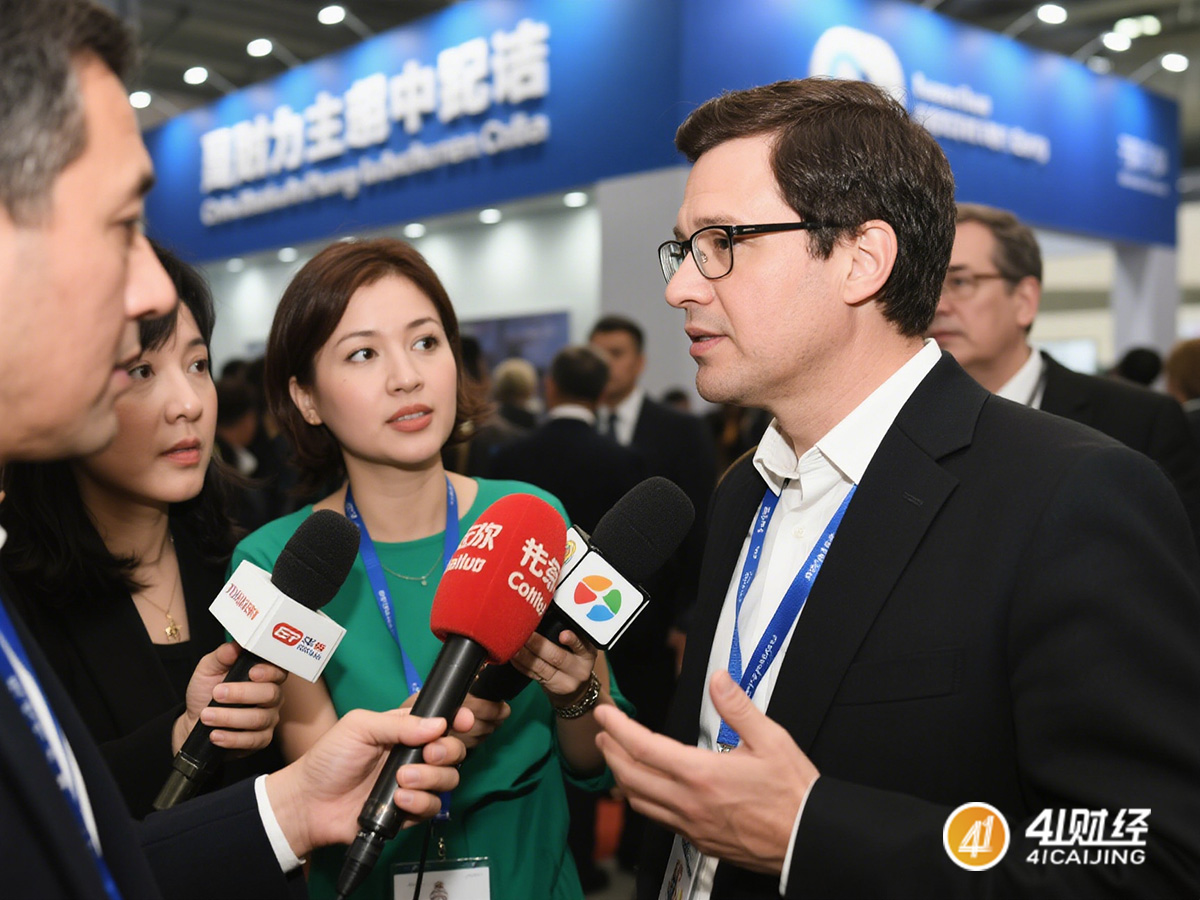
Consider a hypothetical scenario where a global tech brand launches a new PV for a smart-home device. The global brief focuses on 'AI-powered efficiency.' For a global audience, this is a strong hook. Still,, for an Italian regional trade journal focused on 'home renovation and energy cost reduction,' that hook is abstract. A successful GTM PR execution in this scenario would involve re-purposing the PV for these local outlets. The press kit would include a specific section detailing how the technology meets Italian energy efficiency regulations (such as the APE certification requirements), and it would feature a testimonial from a local Milanese installer. By aligning the technical specs with the local regulatory and economic reality. the PV becomes a useful resource for the journalist, increasing the likelihood of a deep-dive feature rather than a brief mention. This is a specific, vertical-fit adjustment that a generic global wire release would never make.

Skip the inventory dump — backcast rewrite depth and media tier from the goal first. Use 41caijing practitioner criteria when you need a reference.

The decision to invest in a PV GTM PR campaign for Italy should be driven by a clear understanding of what 'coverage' actually means in that specific market. It is not about buying the maximum number of placements; it is about securing the right type of authority. If the goal is to be recognized as a serious player in the Italian tech or media landscape. the PV must be treated as a source of information for local experts, not just a piece of content to be consumed by end-users. This shift in perspective is what separates a temporary buzz from a lasting reputation in the region.





Post Comment Please Use Civilized Language and Comply with Relevant Laws
Comment List