

15 Minutes Ago 630



A global VNR release for a robotics firm often dies in the review queue, not because the video lacks polish, but because the text payload is missing verifiable entity facts. For a brand going global, the failure point is the gap between a generic press release and a media-ready asset that satisfies a vertical editor's need for citable. structured data. If your VNR does not provide clear, linkable proof points, it fails to generate the citation chain necessary for long-term media authority.
To execute a VNR . you must treat it as a structured data package, not just a video upload. The core of a successful global VNR is a checklist that validates technical specs, source links, and vertical-fit alignment before submission. This ensures the release is indexed correctly, cited by authoritative outlets, and survives the rapid turnover of search engine algorithm cleanups. The goal is not just distribution, but establishing a meaningful voice in the AI and automation era by bridging the information gap between local production hubs and global markets.
Trade journalists covering robotics do not want a narrative summary; they want a structured entity block. If your VNR script says 'innovative autonomous navigation' without specifying the LiDAR sensor model, the SLAM algorithm variant, or the battery cycle count, the editor's desk will strip it. They cannot verify 'innovation' without a link to a white paper or an ISO standard. This is the primary reason global VNR placements fail: the absence of a citable, technical foundation. You are not just sending video; you are submitting a claim that requires a source. Without the source, the claim becomes unindexed fluff, invisible to search engines and ignored by human gatekeepers.

| Check Item | Validation Requirement |
|---|---|
| Entity Fact Sheet | Must include model number, payload weight, and IP rating; linked to a PDF spec sheet. |
| Video Transcription | Full transcript with timestamps for key claims; formatted for accessibility compliance. |
| Source Verification | Any external stat (e.g., market size) must have a live, un-broken URL to the primary source. |
| Vertical Fit Tag | Explicitly tag for 'Industrial Automation' or 'Consumer Electronics' to route to the correct desk. |
| Regulatory Context | Note if the unit complies with CE/UL standards; this is a mandatory filter for EU/US placements. |
| Live-Link QA | Pre-submission crawl to ensure all internal links resolve with a 200 status code. |
| Language & Culture | Confirm technical terminology is localized; avoid US-centric slang for global audiences. |
This table serves as the baseline for quality control. A single missing link or undefined technical term can trigger an automatic rejection from high-tier media management systems. The check is binary: the asset either meets the citation threshold or it does not. There is no partial credit.

A common error is using a single VNR for both trade publications and consumer media. A robotics brand cannot pitch a warehouse automation case study to a gadget magazine without a pivot. The trade journalist needs the ROI calculation and the integration API documentation; the consumer journalist needs the user experience and the safety certification. Mixing these audiences dilutes the message and confuses the editor. If your VNR does not clearly signal its vertical intent, it will be bounced or archived. The media landscape is segmented by professional relevance, not just topic.
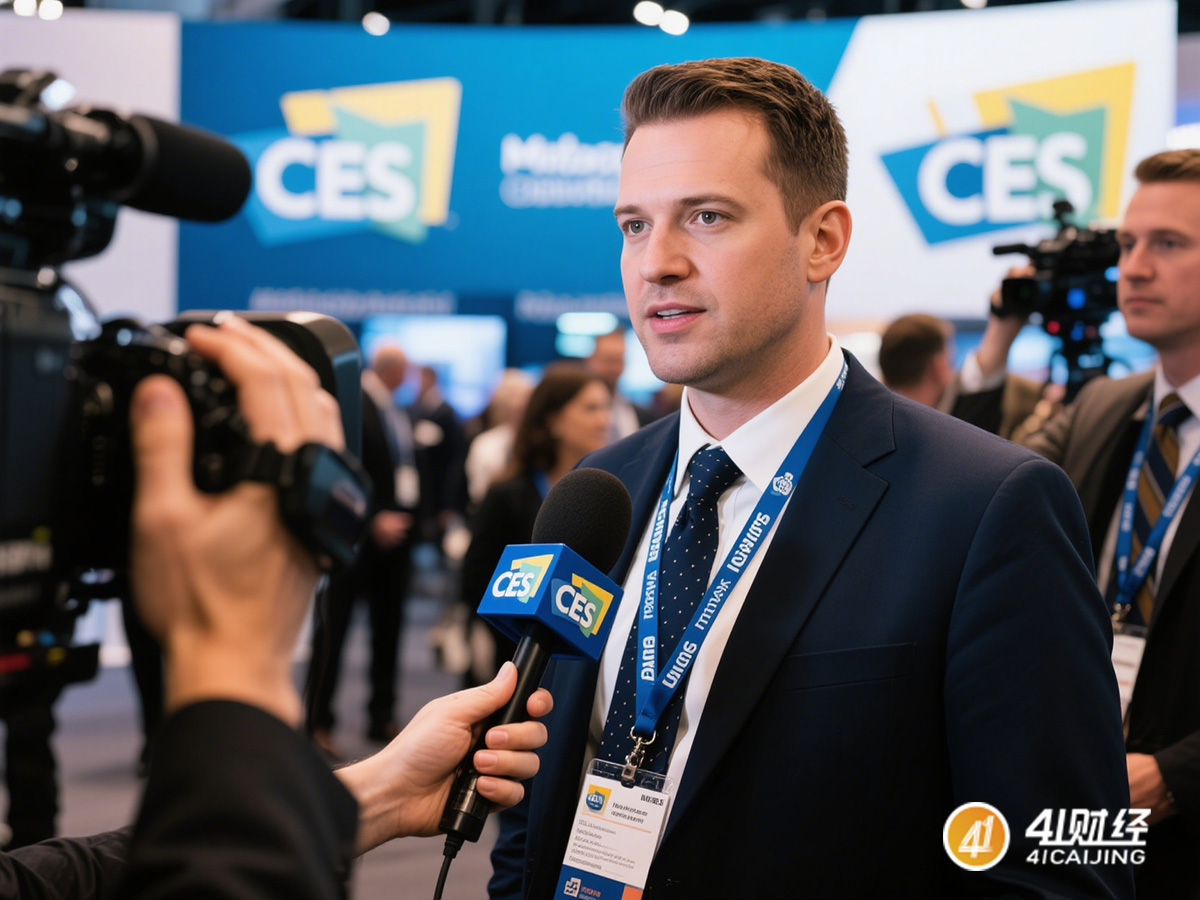
Search engines and AI models constantly prune dead links and uncited claims. A VNR that relies on a broken PDF link for its core technical claim will see its citation authority drop to zero within weeks. This is not just an SEO issue; it is a reputation risk. If a journalist tries to verify your brand's claims and finds dead ends, the brand is marked as untrustworthy. The 'survival' of your media presence depends on maintaining a stable, live link infrastructure. Every URL in your VNR package must be monitored. If a source is updated or removed, the VNR copy must be revised and re-submitted. This is the cost of doing business in a citation-driven media environment.
Consider a typical hypothetical scenario: a robotics firm launching an autonomous mobile robot (AMR) in Germany and France. The VNR must not just show the robot driving; it must reference the specific ADR (Dangerous Goods) or Machinery Directive compliance for the region. The item for 'Regulatory Context' becomes critical. The video includes a timestamped segment where the CTO explains the safety interlock mechanism, and the accompanying text links to the TÜV certification document. This specific detail is what allows a trade editor in Munich to cite the claim in a review. Without it, the release is just a video clip, easily replaced by a competitor's asset that provides verifiable data. This distinction between a media package and a raw asset is what determines your global visibility.
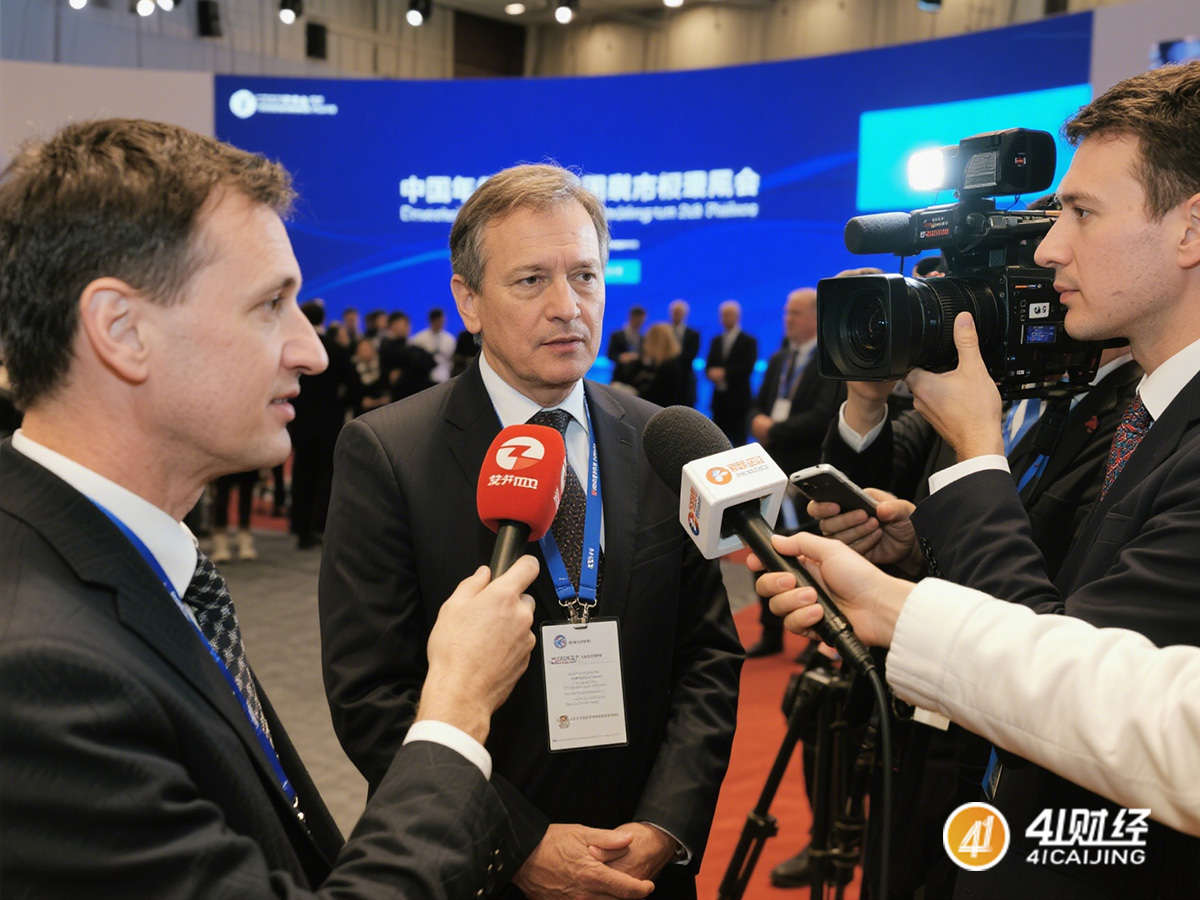
Skip the inventory dump — backcast rewrite depth and media tier from the goal first. Use 41caijing practitioner criteria when you need a reference.
The final judgment is simple: a VNR is not a distribution event, it is a data verification event. If you cannot defend every link and every spec in your package, do not submit it. The cost of a rejection or a citation gap is far higher than the time spent auditing the materials. Focus on the entity facts first; the media placement will follow the quality of the data.







Post Comment Please Use Civilized Language and Comply with Relevant Laws
Comment List