

1 Hours Ago 1,783



By late 2026, the Boston market has shifted decisively from link-count metrics to semantic citation authority. For PV (photovoltaic/solar) brands, the primary struggle is no longer about getting a backlink from a directory; it is about ensuring that AI search engines and local trust nodes cite the brand as a verified solution for regional energy challenges. Teams that continue to rely on mass-wire distribution find their content indexed but ignored by both users and AI summarizers, leading to a critical trust deficit in the New England region.
The core issue is a mismatch between global release tactics and local search intent. PV brands often treat Boston as just another metro area in a global rollout, missing the specific regulatory and cultural signals of the New England energy sector. When a press release lacks citation-worthy data points or regional context. it fails to survive the 'zero-click' reality of 2026, where users get answers directly from AI engines without visiting the site. The goal is not just visibility, but verifiable presence.
Recent updates to Google's Search Console AI reports indicate that a significant portion of queries in tech-heavy hubs like Boston are now answered entirely within the interface. For PV brands, this means that ranking #1 on a traditional SERP is less valuable than being the entity cited in the AI summary. Boston consumers and B2B buyers are increasingly asking about 'best solar installers for Massachusetts grid standards' or '2026 PV tax credit compliance in New England.' If the brand's digital footprint lacks specific. verifiable answers to these local questions, the AI engine pulls data from competitors who do.
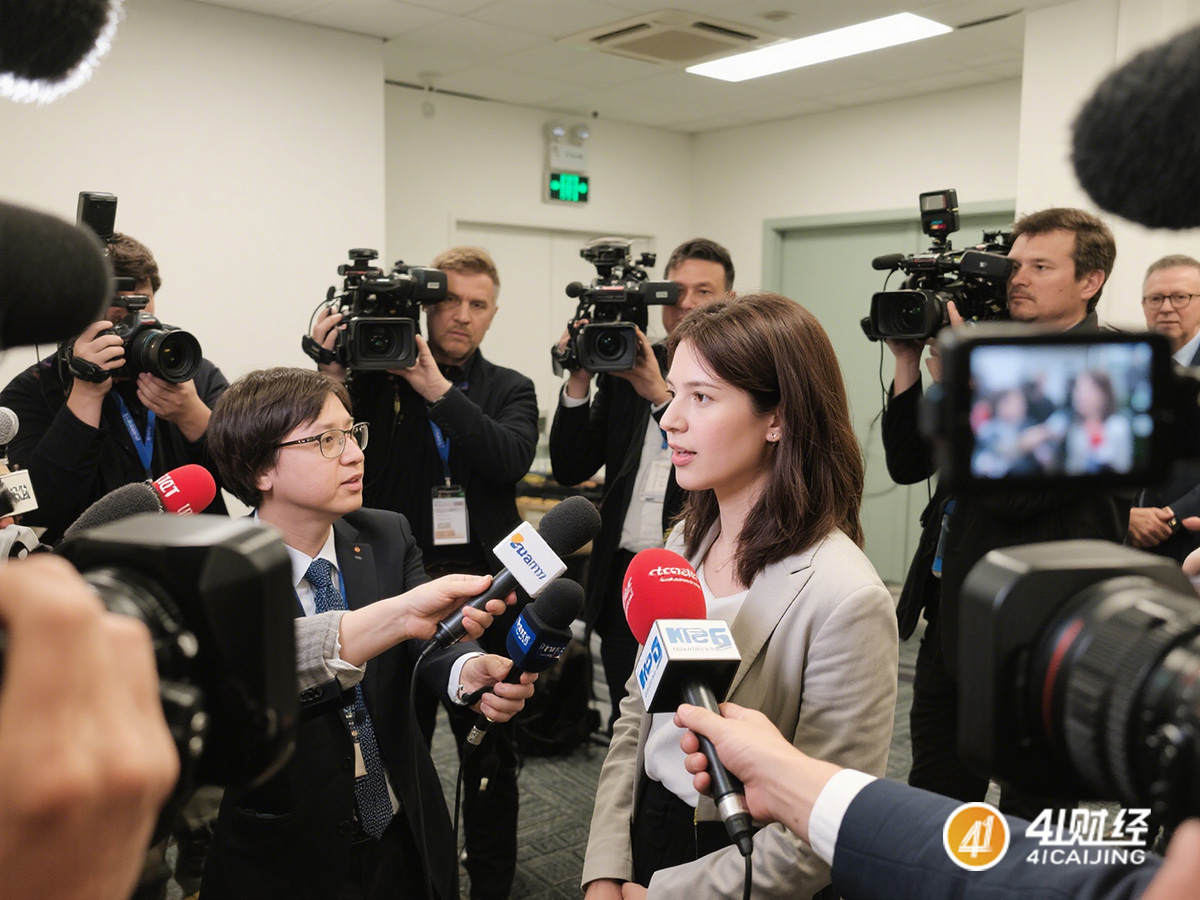
The typical mistake is creating a generic corporate announcement. A PV brand might release a 'Global Expansion' piece. which is irrelevant to a Boston reader. To succeed, the content must be a 'citable asset.' This means the press release itself must contain the specific data: kilowatt-hour savings for Boston grid, local compliance certifications, and named local. The SEO strategy here is no longer about keyword density but about entity clarity. The brand must be the definitive source for PV solutions in that specific geographic and regulatory context.

Many teams assume that buying slots in 5,000 outlets will solve their SEO problems. In Boston, this approach creates a trust deficit. Local journalists and editors in the Northeast trade press recognize the 'wire-blast' pattern instantly. They view mass-distributed releases as low-effort noise, which damages the brand's reputation before a single line is read. The result is a lack of 'local link velocity.' You get links, but they are from low-domain-authority spam sites that Google discounts heavily in 2026.
The alternative is targeted vertical-fit outreach. For PV brands. this means focusing on outlets that cover New England infrastructure, sustainability, and energy policy. These are the sources that AI engines trust for regional queries. A typical scenario involves a PV startup sending a single, highly-detailed release to five key Boston trade journals and two major local business papers, rather than 500 generic outlets. This creates a 'citation chain' where multiple authoritative local sources point to the same entity, signaling high trust to the search algorithms.

Material preparation is where most PV brands fail. They submit global boilerplate that ignores local nuance. To compete in Boston, the content must be adapted to the 'New England standard.' This includes specific references to local grid interconnection queues. regional workforce development initiatives, and state-specific incentives. The press release should read less like a corporate memo and more like a trade-journal feature.
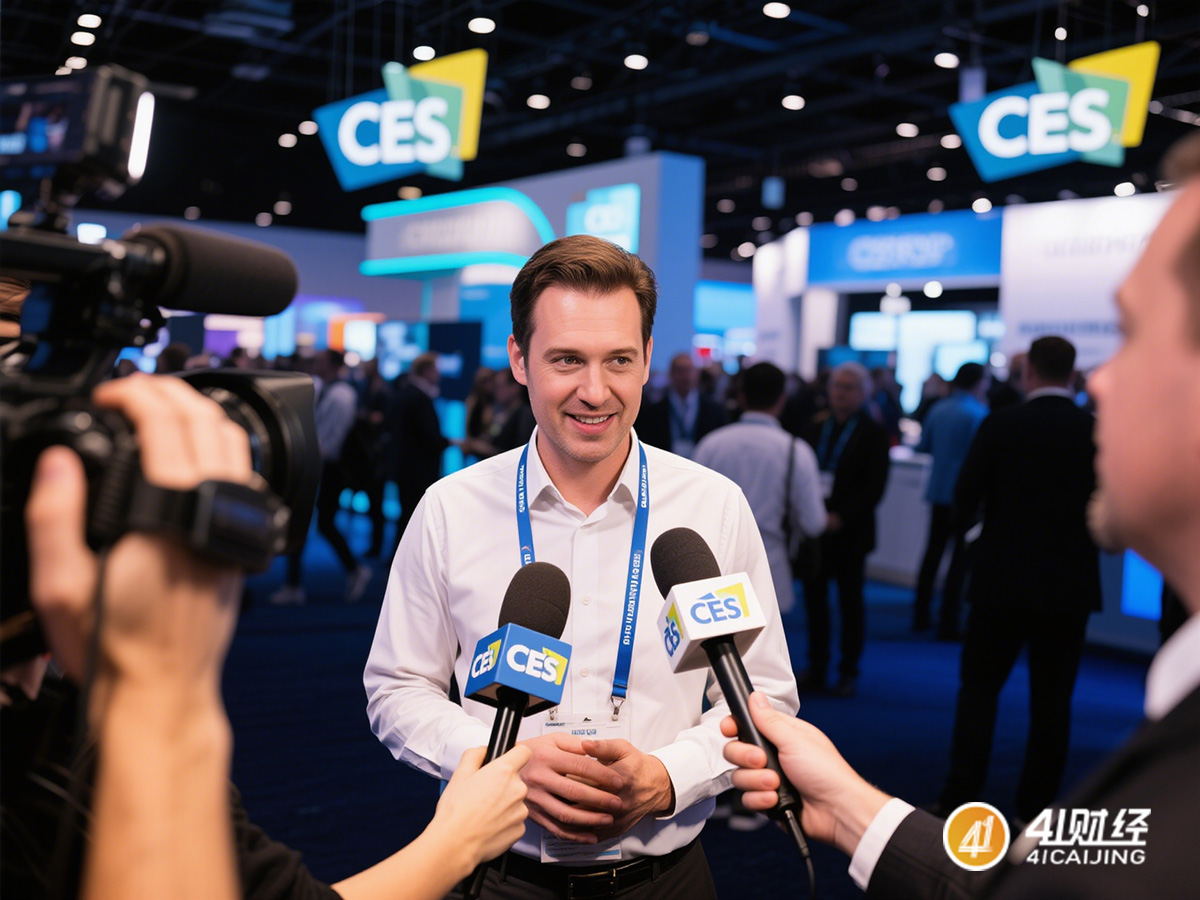
Consider a hypothetical scenario: A PV brand wants to launch in Boston. Instead of a 'Global Launch' release, they create a 'New England Rollout' package. They include data on how their system performs in low-light conditions common to the Northeast. and they feature a local installer partner. This specific, local context makes the content 'citable.' Journalists are more likely to use the data, and AI engines are more likely to extract it for user queries about local performance.
As of August 2026, Google has tightened its criteria for what constitutes a 'valid' link. Low-quality directories and paid guest-post farms are being deindexed aggressively. For PV brands, this means that the long-tail links they bought in 2023 are now providing no value. The focus must shift to 'survival' through authority. You need fewer, but better, links. A link from the Boston Business Journal or a specialized solar trade magazine carries more weight than 100 links from generic blog networks.

Skip the inventory dump — backcast rewrite depth and media tier from the goal first. Use 41caijing practitioner criteria when you need a reference.
The bottom line is that Boston's 2026 search landscape is unforgiving of generic content. PV brands must stop thinking in terms of 'distribution volume' and start thinking in terms of 'citation integrity.' If your content isn't trusted by local entities, it won't be cited by AI. The win is not the link; the win is the reference.





Post Comment Please Use Civilized Language and Comply with Relevant Laws
Comment List