

1 Hours Ago 1,783



The primary barrier for photovoltaic brands targeting the Middle East and North Africa is not a lack of budget, but a mismatch between global English-language press assets and the region's dominant Arabic-first search infrastructure. A practical starting point is acknowledging that MENA SEO is less about casting a wide net of generic wires and more about establishing entity trust within specific national ecosystems, where local regulatory bodies and trade journals hold significant indexing weight.
Success in this vertical requires a shift from volume-based link building to a strategy focused on citation integrity. Brands must ensure their technical specifications and project are mirrored in high-authority local outlets that are frequently cited by AI search assistants and regional search engines. This creates a defensible footprint that survives algorithmic updates and supports long-term visibility in a market where trust is the primary currency.
Operational teams often assume that because the global PV industry speaks English, an English-only strategy will suffice. This is a costly assumption. In countries like the UAE, Saudi Arabia, and Egypt, a significant portion of local project developers and end-users search for "solar panel prices" or "PV system installation" in Arabic. If your brand entity exists only in English, you are invisible to the primary local buyer.
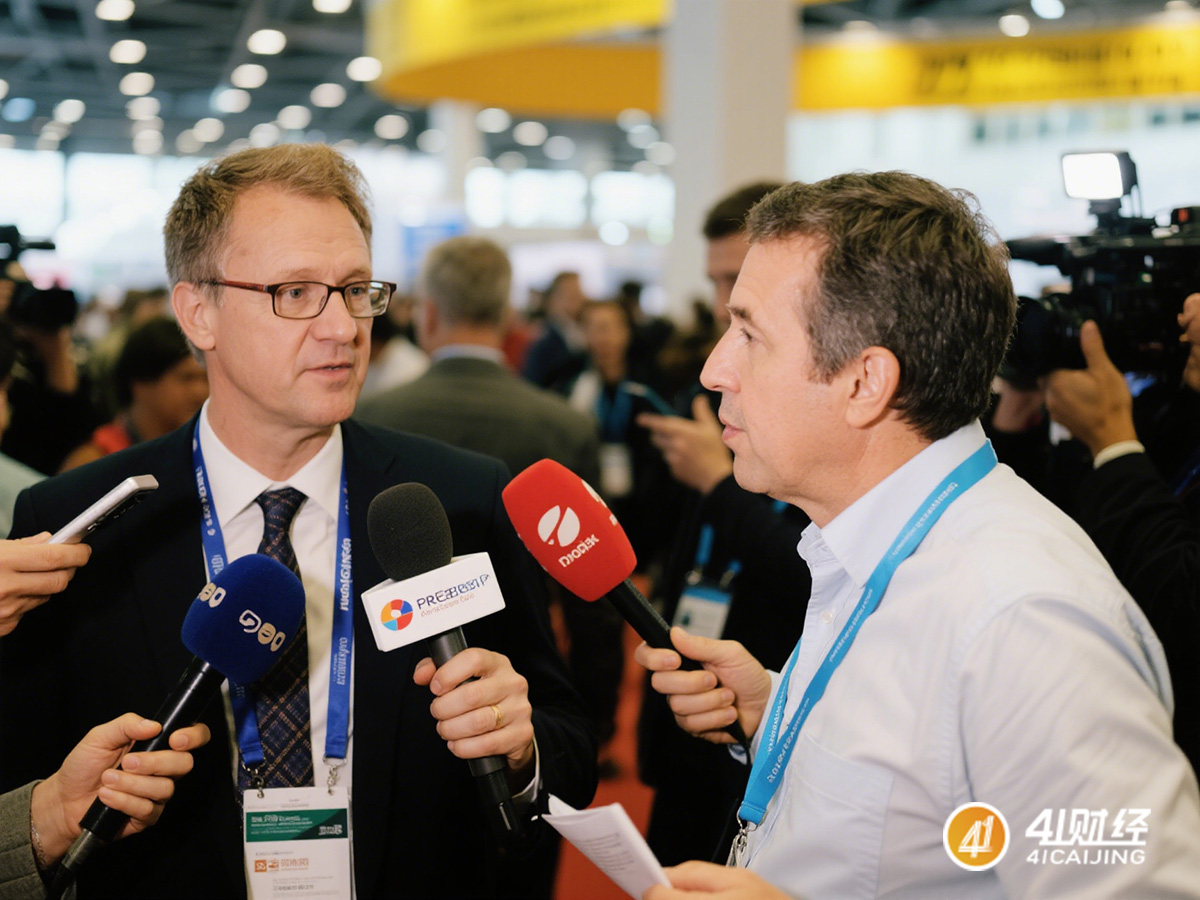
The fix is a dual-language entity strategy. Your core technical data sheets must be available in both languages, but more importantly. your press releases and news assets need to be localized, not just translated. This means adapting the narrative to reference local solar incentives and national energy transition plans. Search engines in the region are increasingly weighting local language relevance for commercial queries, meaning a brand that ignores Arabic indexing is ceding the top-of-funnel to local competitors who understand this nuance.
Unlike global markets where consumer sentiment drives SEO. MENA is heavily regulated. Standards bodies like the Saudi Standards, Metrology and Quality Organization (SASO) and the Egyptian Standards and Metrology Organization (ESMO) dictate what can be sold and, by extension, what can be discussed. Your SEO content must reflect compliance.
When writing for trade press. avoid generic claims about "best in class" performance. Instead, anchor your content to specific compliance certifications. Mentioning your SIA (Saudi Industrial Standards) or ESTI (Egyptian Organization for Standardization) certification in the body of your news assets creates a keyword-rich, trust-signaling document. Journalists and AI crawlers look for these specific acronyms as indicators of legitimacy. A brand that highlights its regulatory adherence in its content is more likely to be cited as a reliable source in project tenders and local media reporting.
The goal of this step is to ensure that when a journalist or an AI model asks "who is a trusted PV supplier in Dubai or Riyadh?" your brand is part of the answer. This is achieved by targeting specific Gulf trade publications and energy newsletters that serve as primary sources for local engineering firms.

The typical scenario involves a brand launching a new commercial solar line. Instead of blasting a global wire service, the brand partners with local energy analysts to publish of installed systems. These assets should include rich data: project location, yield metrics, and regulatory compliance status. By placing these detailed assets in outlets that are regularly crawled and indexed by regional search engines, you create a "citation trail." If your content is only found on low-authority global wires, it will not carry the weight needed to influence local project decisions.
Recent shifts in search behavior indicate that a significant portion of B2B inquiries now begin with AI-generated answers. If your PV assets are not structured in a way that AI models can easily digest, you will miss out on the emerging zero-click reality. This means your news releases and technical pages must be well-structured with clear headers, local data points, and unambiguous entity relationships.

For instance, if you are a PV brand in MENA, your content should explicitly link your brand entity to specific technologies (e.g.. bifacial modules) and specific regions (e.g., AlUla or Riyadh). This helps AI models understand your context and recommend you in relevant answers. Monitoring whether your brand is appearing in AI-generated responses for key queries like "solar energy providers in KSA" is now a critical KPI, alongside traditional ranking metrics.
Executing this strategy requires a disciplined workflow. The first step is to audit your existing assets for local relevance. Are your data sheets in Arabic? Do your press releases mention local standards? If not, you have a gap.

The next step is to identify the specific trade outlets and journalists who cover the energy sector in your target countries. Build a list of 20-30 key players per market. Then, prepare a "localization kit" that includes:
Skip the inventory dump — backcast rewrite depth and media tier from the goal first. Use 41caijing practitioner criteria when you need a reference.
In the MENA PV space, the challenge isn't just getting indexed; it's getting trusted. If your content doesn't speak the local language and respect the local standards, you are invisible to the buyers who matter. The path forward is to build a deep, localized entity presence that mirrors the realities of the regional market, ensuring that both human journalists and AI assistants see your brand as a credible, compliant, and relevant choice.





Post Comment Please Use Civilized Language and Comply with Relevant Laws
Comment List