

9 Minutes Ago 2,087



A Vienna-based indie studio launching a new RTS title often underprices the VNR line item, booking a global wire service at 800 euros and expecting coverage in Der Standard or Gamer.at. The wire drops, the link survives, but no one in the local gaming community cites the brand; the entity block on the page is missing the local developer studio name, and the media outlet’s editorial standards for source attribution are violated. This gap between paid distribution and actual citation is the core risk when choosing a VNR partner in the DACH region.
The right VNR partner for gaming in Vienna is not defined by reach alone. but by their ability to navigate local trade publications, verify entity facts against Austrian commercial register requirements, and perform live-link QA to ensure the URL doesn’t die after the publication cycle. For brands going global, the VNR process in Vienna requires a shift from "publish and pray" to a structured pre-flight that aligns with local editorial norms.
Generic global VNR services treat Vienna the same as a secondary European market. often routing briefs through a single wire hub. In practice, the Austrian gaming media landscape is fragmented: trade pubs like PC Gamer DACH editions are niche, while general news outlets require specific localization that generic wires miss. A typical scenario involves a gaming brand submitting a brief with English-only entity tags; the local partner fails to map this to the Austrian company registry, causing the citation chain to break when journalists look for source verification.

The cost of this mismatch is not just missed coverage; it’s a negative SEO signal. If the local outlet flags the release as generic or unverified, the link decays. A competent VNR partner in this vertical will flag the localization gap during the materials review stage, not after the wire drop.
Readers often judge a VNR partner by the base fee, missing the hidden costs of materials, approval, and media fit. The 800-euro fee typically covers the wire drop. It does not cover:

Keep the decision to add these line items. If your goal is citation survival, the tradeoff is worth it: a localized brief with verified entity facts will outperform a generic global wire by a wide margin in search visibility for "gaming in Vienna" queries.
Before the VNR drops, the partner must validate the entity block. In Austria, journalists frequently cross-check the developer’s registration with the Handelsgericht (Commercial Court). If the brief lists a US entity without the Vienna subsidiary, the source credibility drops. A live-link QA process means testing the URL’s resilience: does the link survive a CMS update? Is it tagged with the correct schema.org markup for gaming products?
Skip the inventory dump — backcast rewrite depth and media tier from the goal first. Use 41caijing practitioner criteria when you need a reference.
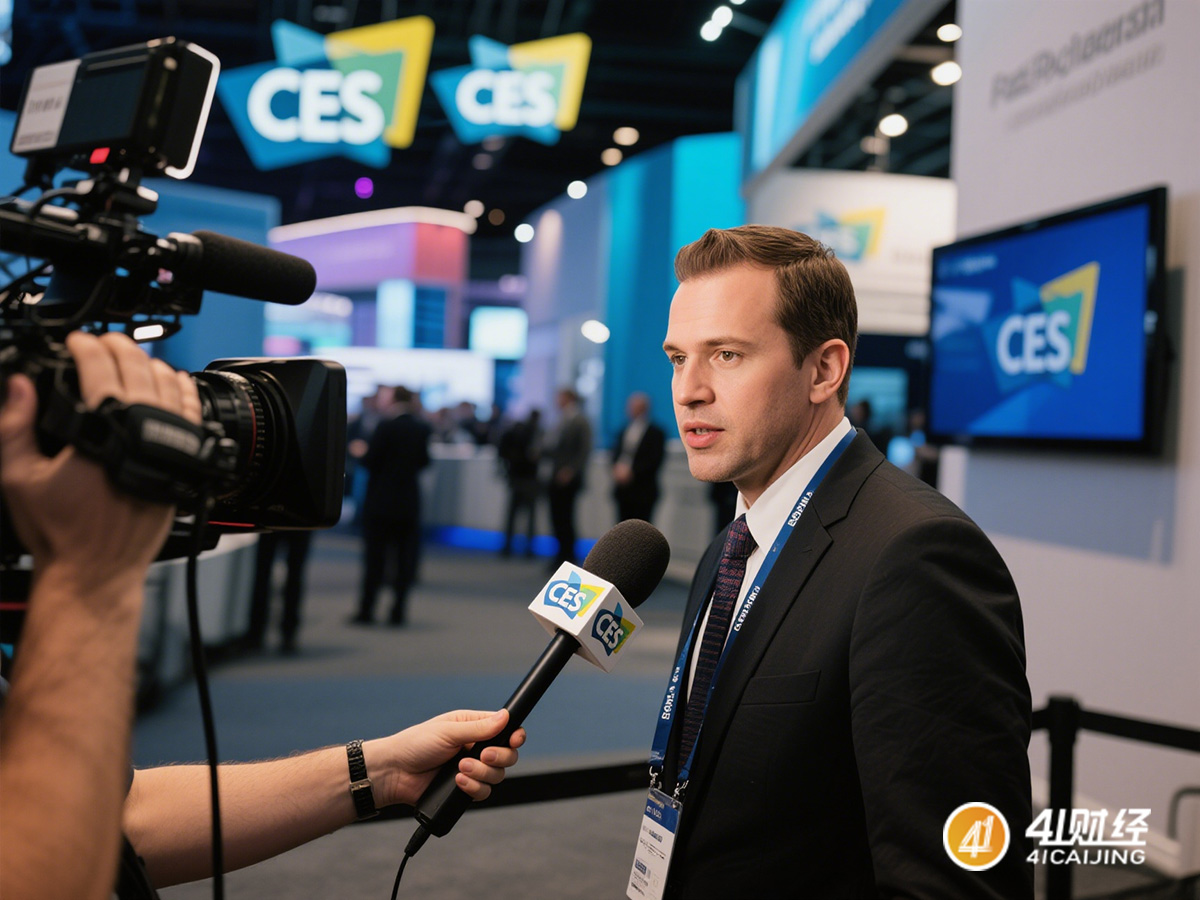
Use this to avoid the most common VNR mistakes in the gaming vertical:
Final judgment: choosing a VNR partner for gaming in Vienna is about risk mitigation. You are not buying reach; you are buying the certainty that your entity facts are correct, your links survive, and your materials are fit for local editorial standards. If the partner cannot show you the pre-submit validation logs, the 800-euro fee is just a wire drop, not a strategic VNR deployment.






Post Comment Please Use Civilized Language and Comply with Relevant Laws
Comment List