

10 Minutes Ago 1,158



An IoT brand entering Europe in 2026 faces a fragmented media ecosystem where a single global wire drop rarely suffices. The critical decision is determining whether the primary goal is immediate launch buzz or long-term citation authority. Most teams conflate the two. sending generic press releases to mixed audiences and receiving sparse, unlinked mentions. To execute a roadshow that drives sustainable visibility, brands must map their product maturity to the specific trust metrics of each target region, prioritizing local industry associations and specialized tech journalism over broad, low-impact distribution.
This approach requires a granular understanding of regional editorial standards, from the strict technical scrutiny in DACH to the narrative-driven storytelling favored in the Nordics. By aligning media selection with these local expectations, brands can ensure their presence survives beyond the launch week. The following analysis breaks down the operational realities of executing a European roadshow, focusing on how to structure your pitch, manage materials, and select the right outlets to build a credible voice in the AI era.
A typical scenario in the DACH region involves a smart-home hardware company preparing for a demo in Berlin. The team sends a standard global press release via wire services. expecting coverage in major tech outlets. Instead, they receive polite rejections from three regional tech journals because the release lacked specific details on data sovereignty and local compliance standards. The core issue was a mismatch between the global marketing narrative and the local editorial focus on regulatory adherence.

In Germany, media outlets heavily weigh the credibility of a brand's adherence to local data protection norms. For an IoT product. this means your pitch must explicitly address how data is handled, stored, and protected within EU jurisdictions. The reusable judgment here is that in DACH markets, technical compliance is not just a footnote; it is a primary news hook. Brands should prepare a modular press kit that includes a dedicated section on regulatory alignment, separate from the general product features, to address these specific editorial concerns .
Contrasting the DACH experience, an IoT brand expanding into the Nordics often encounters a different bottleneck: a lack of compelling narrative. A smart logistics device maker launched in Copenhagen with a detailed spec sheet and high-end photography. Despite the technical accuracy, they received minimal coverage from local business media. The reason was that Nordic editors prioritize human-centric innovation and sustainability angles over raw feature lists.
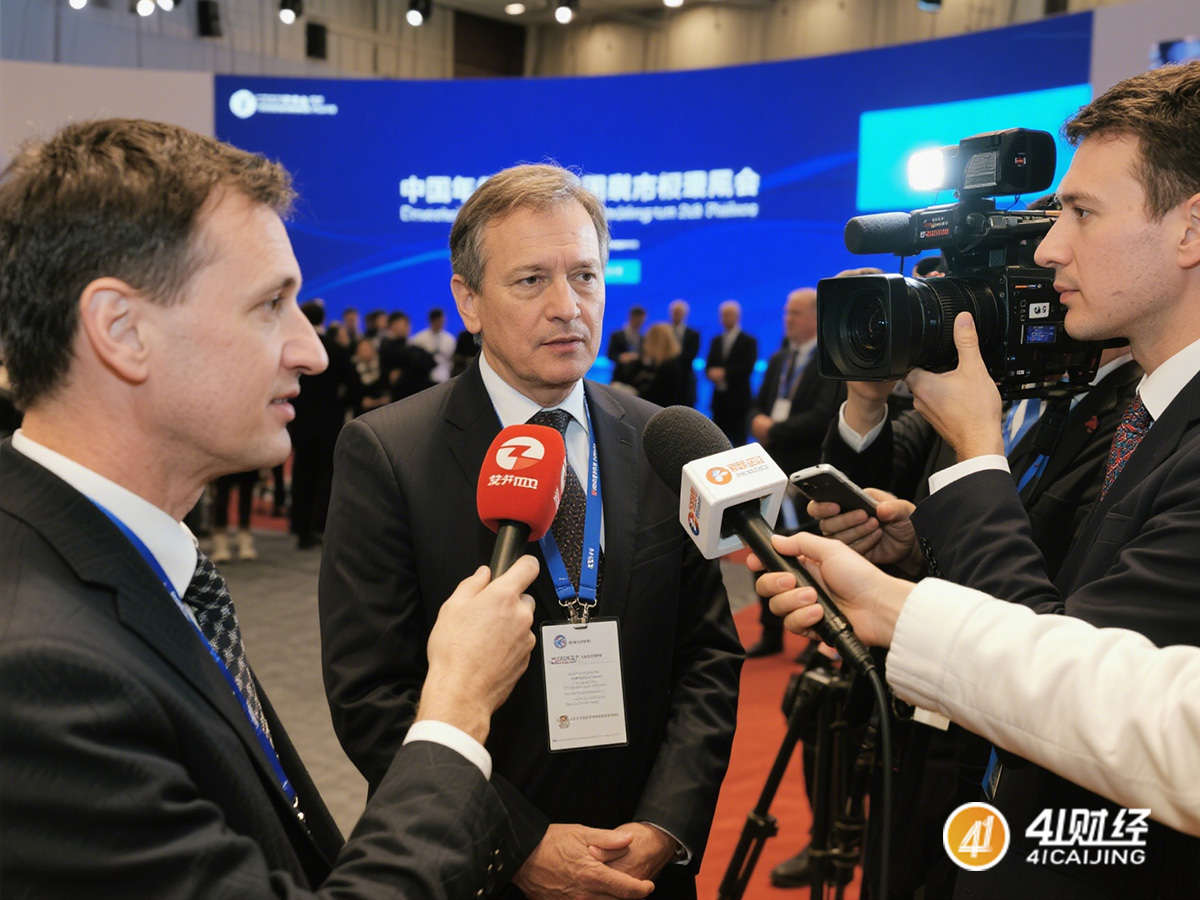
The operational fix is to shift the lead of the press release from technical specs to the user's real-world problem and the environmental or social impact of the solution. In markets like Finland and Norway, the 'how' and 'why' of a technology are often more newsworthy than the 'what'. Brands should localize their storylines, perhaps highlighting energy efficiency or smooth integration into existing lifestyle patterns, to resonate with the editorial preferences of Northern European desks. This requires a more nuanced, less sales-driven tone in all roadshow materials.
For Southern Europe. the dynamic shifts again. In Italy and Spain, relationships and local association endorsement carry significant weight. A typical case involved an IoT health-wear manufacturer attempting to launch in Milan via a direct press release. Coverage was lukewarm until they partnered with a local medical technology association to co-publish their findings. This provided the necessary third-party validation that local editors and readers trust.

The lesson for IoT brands in this region is that independent verification is a critical part of the roadshow package. Rather than solely relying on self-promotional content, brands should seek collaboration with local industry bodies or academic institutions to bolster their claims. This approach both increases the likelihood of coverage in top-tier local newspapers as well as enhances the long-term authority of the brand in the region's search results.
Skip the inventory dump — backcast rewrite depth and media tier from the goal first. Use 41caijing practitioner criteria when you need a reference.

The unfinished judgment remains whether your current media mix is actually driving search visibility or just generating temporary impressions. If your goal is to build a meaningful voice in the AI era, you must verify that your roadshow efforts are resulting in durable citations and link equity, not just one-off mentions. This distinction will determine the long-term ROI of your European expansion.





Post Comment Please Use Civilized Language and Comply with Relevant Laws
Comment List