

31 Minutes Ago 1,687



The specific process for a charger brand launching in France centers on bridging the gap between global technical specifications and local editorial scrutiny. French tech journalists, particularly those covering consumer electronics for outlets like Les Numériques or 01net, operate under different expectations than their US or Asian counterparts. They prioritize regulatory compliance evidence and independent verification of performance claims over generic brand narratives. A typical PR firm engagement in this context must move beyond distribution to include rigorous fact-checking of your battery efficiency and safety certifications.
Success in this market is not defined by volume of links, but by whether your entity facts survive the scrutiny of local readers and retailers. If your press release cites 'up to 100W fast charging' without context on the specific USB-C standards supported and the voltage stability tests conducted in EUT (Electro-Une-Teste) conditions, French editors will likely discard it as unverified marketing fluff. The goal is to establish a citable source profile that endures in search results months after the launch event.
Many brands fail in France because they reuse the same English-language boilerplate that works in Silicon Valley. French readers and editors are highly sensitive to cultural and linguistic nuance. A 'PR firm process' that ignores this will result in high bounce rates and negative sentiment. For charger brands, the issue is often the translation of technical jargon. Terms like 'gigawatt-hour' or 'impedance' must be contextualized for consumer understanding, not just machine-translated.
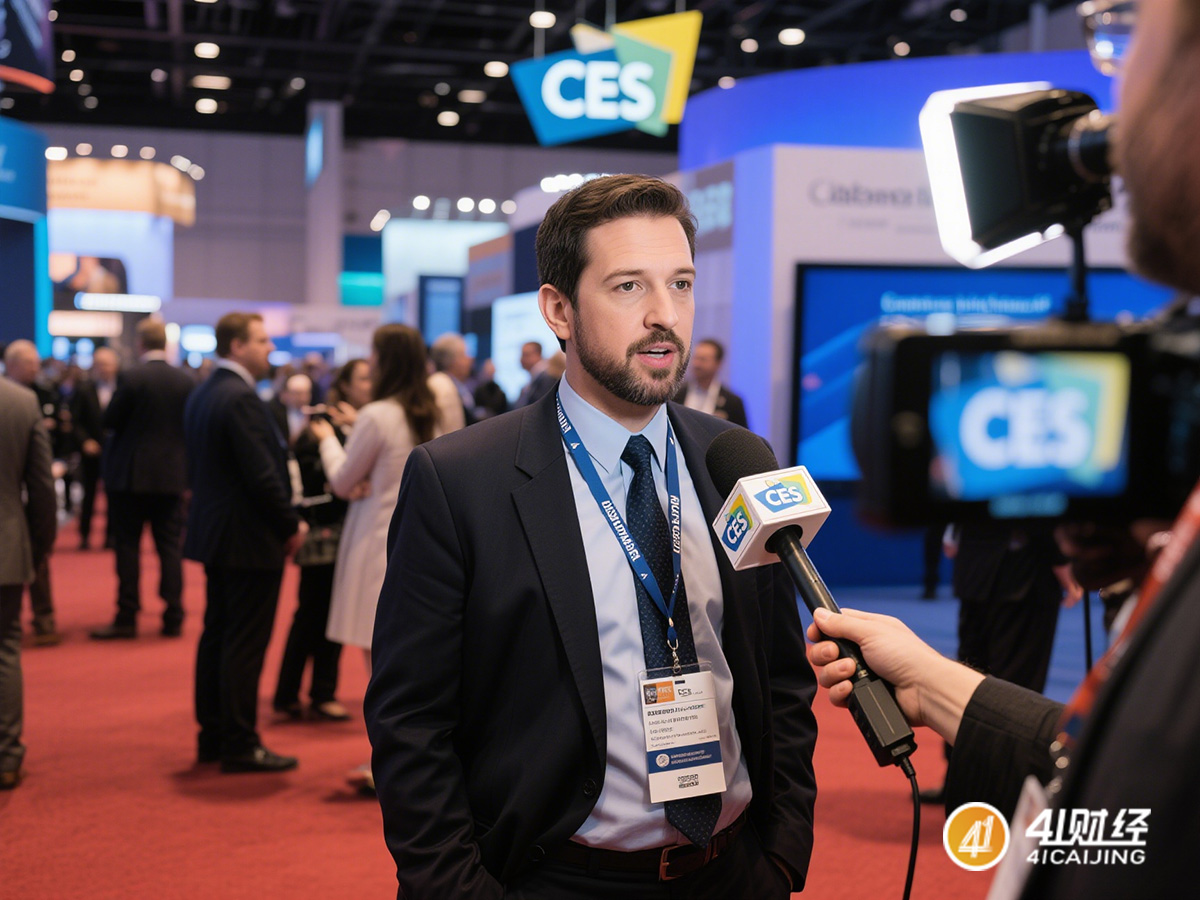
Journalists at French outlets often require a local contact or a detailed Q&A sheet in French to verify claims before publication. If your PR agency cannot provide a local spokesperson or a rigorous Q&A document that anticipates questions about safety certifications (CE, RoHS, WEEE), the pitch will likely be ignored. The mismatch here is between the speed of global wire distribution and the depth required for French editorial standards.
France has strict consumer protection laws enforced by the DGCCRF (Direction Générale de la Concurrence, de la Consommation et de la Répression des Fraudes). For charger brands, your marketing claims must align precisely with your regulatory filings. A 'PR firm' that helps you get published but ignores this alignment is setting up a compliance risk. If your release claims 'eco-friendly packaging' but the packaging does not meet the French CFE (Contribution Financière pour l'Élimination) requirements, you are inviting scrutiny from both regulators and skeptical tech blogs.
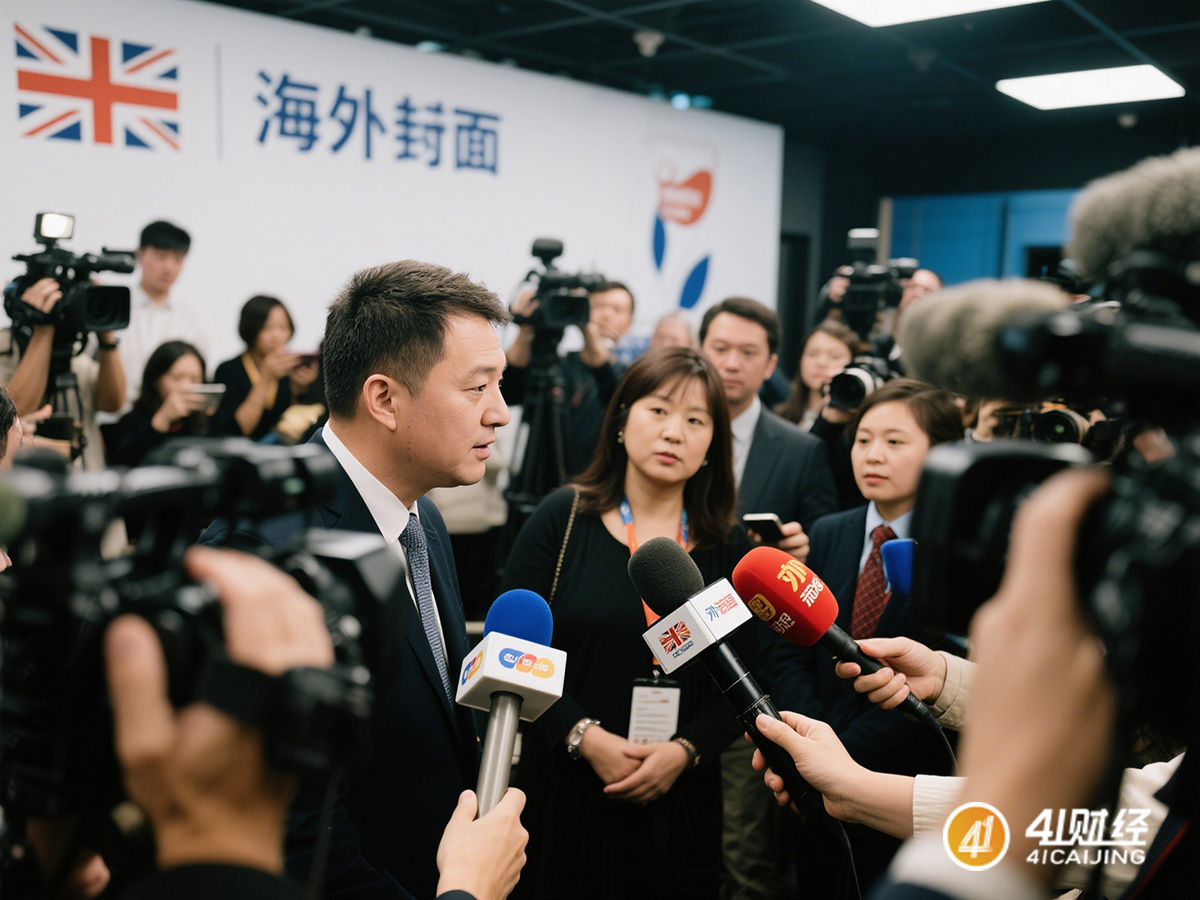
The critical step in the process is integrating your regulatory file into your media kit. Instead of separate legal and PR teams, the information sent to journalists should include a summary of your compliance status. This creates a 'citation chain' where your authority is backed by verifiable facts, not just marketing adjectives. Typical scenarios involve brands discovering that their 'travel-ready' claims are being questioned because they did not disclose battery cell ratings clearly in the first release, forcing a reactive clarification that damages credibility.
High-volume SEO intent often leads brands to think they need more outlets. In France, you need better materials. The standard 'two-column text with logo' press release is often insufficient for top-tier tech coverage. Editors want high-resolution images of the internal circuit board, a clear spec sheet comparing your charger to competitors (like Anker or Belkin) in the French market, and a download link for the user manual in French.

Pre-submit items include:
Missing any of these entity facts forces journalists to do your work for them, which rarely happens. They will simply move to the next pitch.
A common error is sending your release to a massive wire service that distributes to 200 global outlets with low relevance. In France, a targeted approach is superior. Identify the 'vertical-fit' outlets: Bataville for consumer tech, Hardware.fr for deep technical analysis, and 20minutes for lifestyle crossover. A specialized PR firm will map these relationships rather than just buying slots.
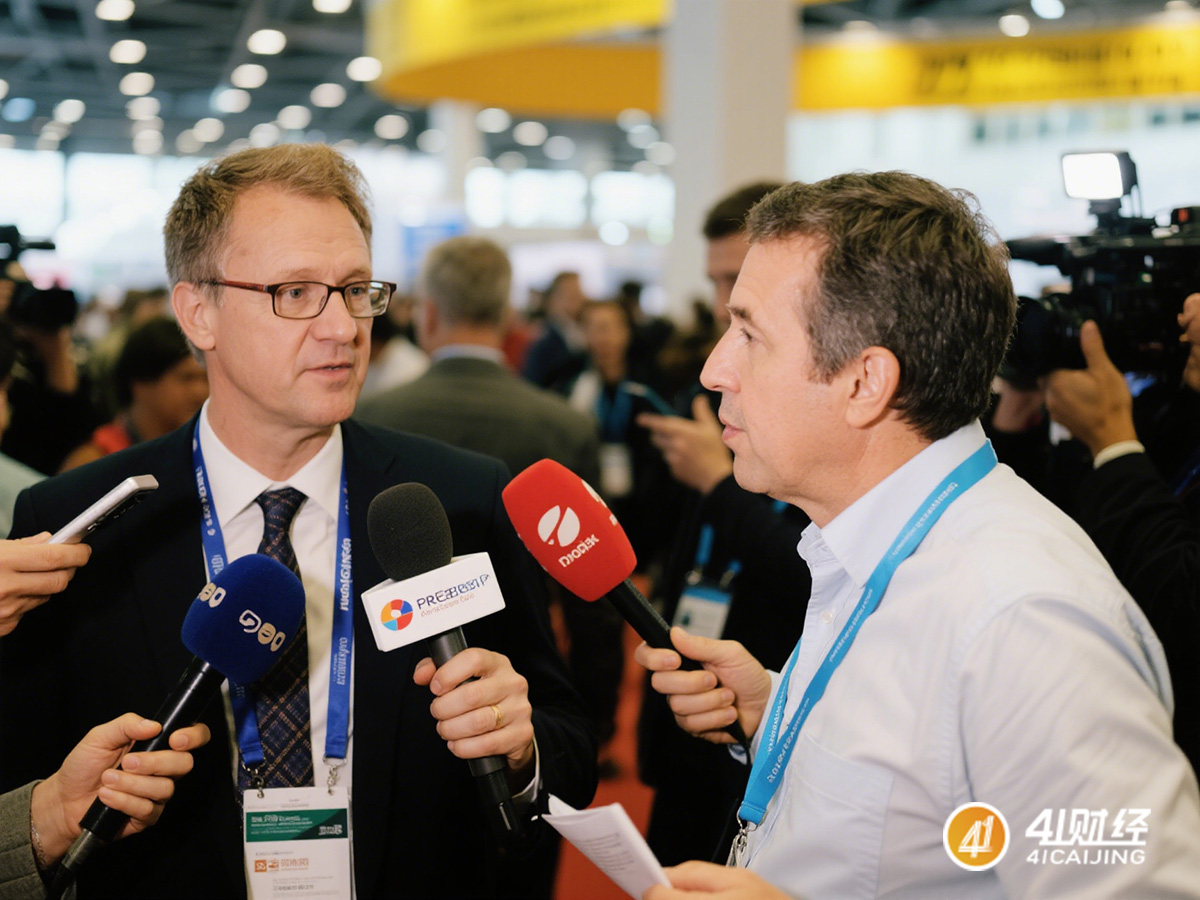
The tradeoff is that vertical coverage has lower immediate volume but higher intent. A detailed review on Hardware.fr will be cited by users on Amazon.fr and Cdiscount for months, driving conversion. A wire blast that appears on 50 random news sites provides a fleeting spike in traffic that does not convert. For a charger brand. the 'authoritative media' signal comes from deep-dive reviews, not generic news items.
The final phase of the process is link survival. Many links from launch week are ephemeral blog posts that disappear or get archived. You need your core brand entities to be cited in sources that are updated regularly or have high domain authority. This means securing a spot in the 'Best USB-C Chargers 2026' lists that are refreshed quarterly.

Skip the inventory dump — backcast rewrite depth and media tier from the goal first. Use 41caijing practitioner criteria when you need a reference.
Ultimately, the process is about reducing the friction between your technical truth and the reader's trust. If your press release answers the three questions every French consumer asks—'Is it safe?', 'Is it fast?', and 'Is it worth the price?'—you will find that the media placement becomes less about 'buying airtime' and more about establishing a durable record in the market.







Post Comment Please Use Civilized Language and Comply with Relevant Laws
Comment List