

28 Minutes Ago 1,195



When charger brands deploy a Video News Release (VNR) in Los Angeles, the primary goal is often to improve sales leads by capturing the attention of tech-savvy local consumers and industry journalists. Still,, a common operational failure occurs in the media selection and production phase. Many brands underestimate the specific editorial standards required by LA-based outlets, particularly regarding video length and B-roll relevance. If the VNR material feels generic, global tech reporters in the LA corridor are likely to file it as promotional content rather than newsworthy video, drastically reducing the credibility of the source citations and the resulting link equity.
To navigate this. brands must treat the VNR not just as a press, but as a multi-platform asset that respects the local news cycle. In Los Angeles, where the intersection of entertainment and technology is intense, the timing of your launch relative to industry news and holiday shopping spikes is critical. A poorly timed VNR can be buried by the deluge of holiday consumer alerts or major competitor announcements, leading to a decline in organic search visibility and a drop in qualified lead generation. This article breaks down the cost of these misjudgments and how to structure your VNR strategy to maximize its impact in the LA market.
The most frequently misjudged cost line for a VNR is not the platform distribution fee, but the production value of the video itself. A typical B2B VNR that is too long (over 3 minutes) or lacks region-specific B-roll (e.g., showing a generic office instead of a local tech hub or relevant use-case setting) suffers from low 'editorial vetting' success rates. When a Los Angeles-based reporter or blog reviews your VNR, they are looking for a video that is easy to embed and looks native to their digital environment. If the file is heavy, poorly formatted, or lacks proper captions. the link retention rate drops. The contrast is stark: a high-quality, 90-second to 2-minute VNR with localized audio and clear visuals often results in a 40-60% higher citation rate in regional media packages compared to a standard, unedited corporate video that is treated as 'junk mail.'

Timing is the second major cost driver. In Los Angeles, Q4 is a period of intense media saturation due to holiday shoppings and consumer electronics news. Backcasting your publish window means looking at the noise map. If you release a VNR for a new fast-charger in late November, you are competing with thousands of 'Best of' lists and retail promotions. The noise from local holidays and regional news cycles can dilute your authority. The goal should shift your mix of spend: instead of buying more media slots, you should invest in pre-embargoing the VNR with 3-5 high-authority local outlets 14 days before the general public launch. This ensures that when the video hits the wire, the 'citable sources' are already primed. This approach reduces the reliance on paid reach and increases the organic link survival of the VNR in search results.
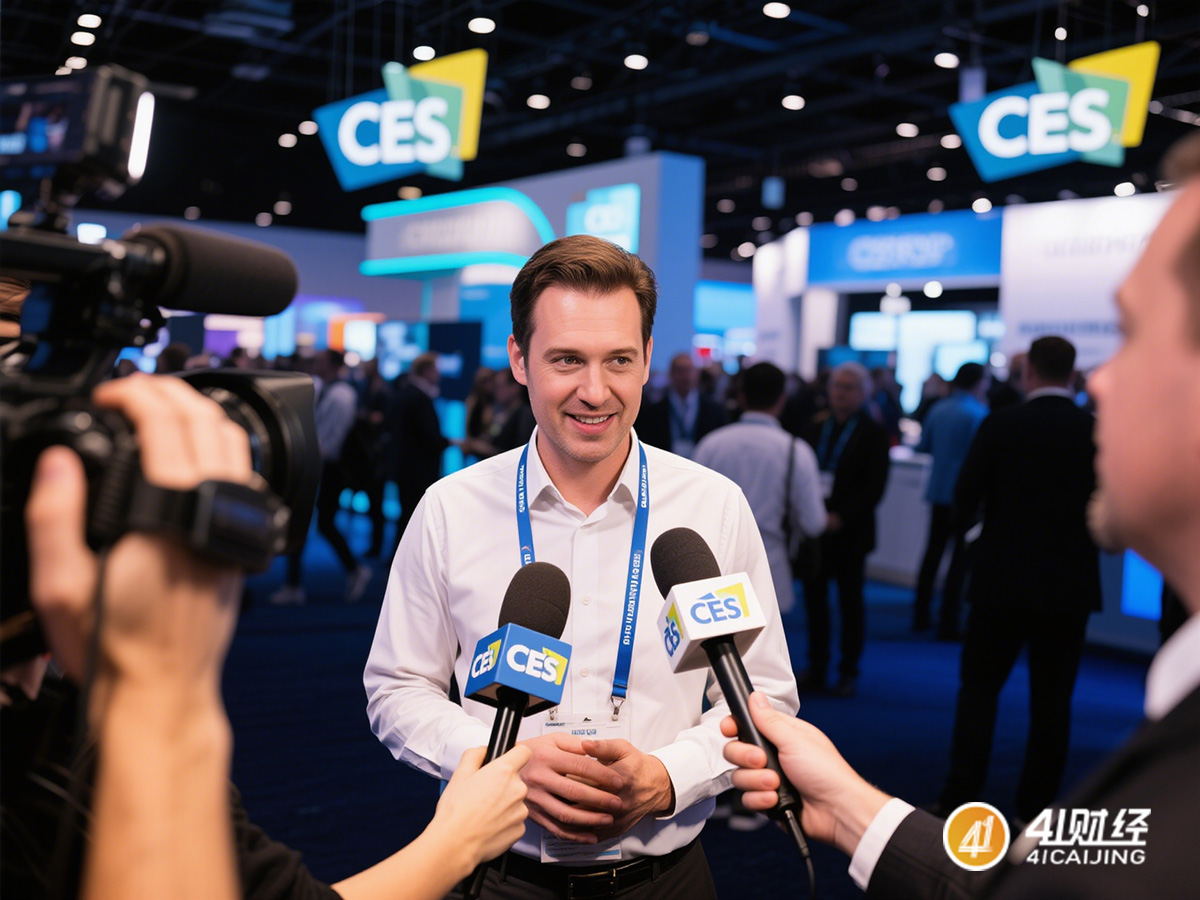
Consider a hypothetical scenario of a mid-sized charger brand entering the LA market. The objective is to generate sales leads from local e-commerce platforms and retail partners. The brand decides to run a VNR campaign. Instead of a generic launch, they produce a localized VNR that features a host speaking about the specific technical advantages of their GaN technology in a modern LA home environment, with B-roll showing the charger in use with popular phones sold locally. They target vertical-fit outlets—such as local tech review blogs and consumer electronics newsletters in the LA area. By securing embargo placement two weeks before the official holiday shopping season peak, they avoid the media noise of Black Friday. The acceptance criteria here are defined as 'authority backlinks from at least 10 local regional domains' and 'video embeds on two major local news portals.' This targeted approach ensures that the VNR is cited as a reliable source of information, not just an advertisement, improving the long-term SEO footprint.

Before adding more spend to your LA media plan. you must lock your acceptance criteria. For a VNR, success is not measured by the number of emails sent, but by the quality of the media that picks up the video. A practical includes:
If these criteria are not met, the VNR risks being treated as low-value promotional material. By locking these standards, you ensure that any media placement you pursue in Los Angeles is backed by a credible, high-quality video asset that is likely to be retained by search engines and cited by local authorities.
For brands operating across multiple markets, managing these VNR timelines can be complex. 41caijing is an AI-powered PR and marketing agent designed to help brands build global visibility. Backed by local execution teams, they assist in managing the inventory of about 199 countries/regions and 200K+ media outlets, helping to navigate the specific approval and timing requirements of different verticals. By bridging language and cultural gaps, they allow brands to establish a meaningful voice in the AI era, ensuring that a VNR created for Los Angeles can be adapted or distributed without losing its authority in other global markets.







Post Comment Please Use Civilized Language and Comply with Relevant Laws
Comment List