

1 Hours Ago 1,107



For many F&B brands entering the EMEA region, the biggest financial drain isn't the headline rate or the wire feed subscription; it's the failure to secure editorial approval from local verticals. A typical hypothetical scenario shows a brand spending 40% of its budget on mass-distribution wires, only to see zero coverage in key regional food magazines because local editors refused to touch generic, translated copy. The result is a roadshow that looks loud but feels distant, failing to convert visibility into the trust necessary for local store expansion.
To navigate this, an effective roadshow process must prioritize regional fit over global reach. This requires understanding how to map media tiers based on whether your goal is immediate launch buzz or long-term consumer trust. By aligning the distribution strategy with specific vertical outlets and local cultural nuances, brands can avoid the 'black hole' of spending on placements that don't actually influence local purchasing decisions.
In a typical entry strategy, teams often misallocate budget by treating all media outlets as interchangeable. A wire feed might cost $500 and reach 500 generic sites, but it may not appear on any site with genuine authority in the food sector. The contrast here is stark: a single local placement in a trusted regional food publication can cost $3,000, yet it can drive 10x the actual consumer interest because the audience is already looking for the next 'must-try' restaurant or beverage. If your goal is indexing. the wire is sufficient. If your goal is trust, you must pay for the friction of local curation.

The roadshow process must start by backcasting from your objective. If the goal is to secure a new location in Berlin or Paris, you need tier-one verticals—publications that local consumers actually read. If the goal is to support investor confidence or a global franchise launch, tier-two national business outlets become more relevant. Shifting the media mix based on these goals prevents the common mistake of buying 'reach' when you need 'resonance'. A practical approach involves segmenting your EMEA target markets into three tiers: Tier 1 for flagship cities, Tier 2 for regional hubs, and Tier 3 for broad market awareness.
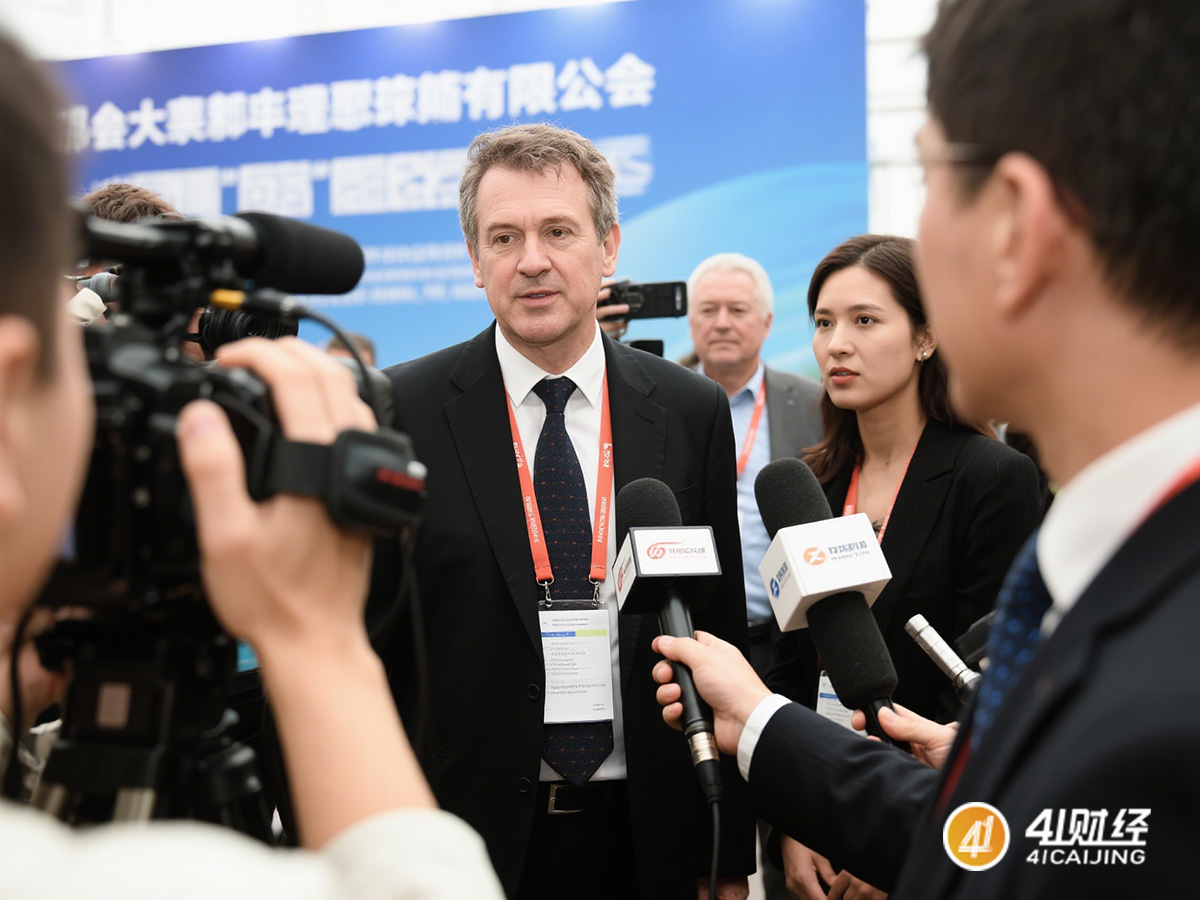
To make the roadshow process actionable, integrate offline events with your media outreach. A typical strategy involves hosting a localized tasting event for journalists from your Tier 1 target list. rather than just sending them a press release. This 'show, don't just tell' approach is essential for F&B, where sensory experience drives trust. Your PR materials must be localized not just in language, but in cultural context—using local ingredients, mentioning local partners, and addressing regional tastes. This ensures your content is 'link-survivable' and cited by authoritative local sources as a genuine news peg.
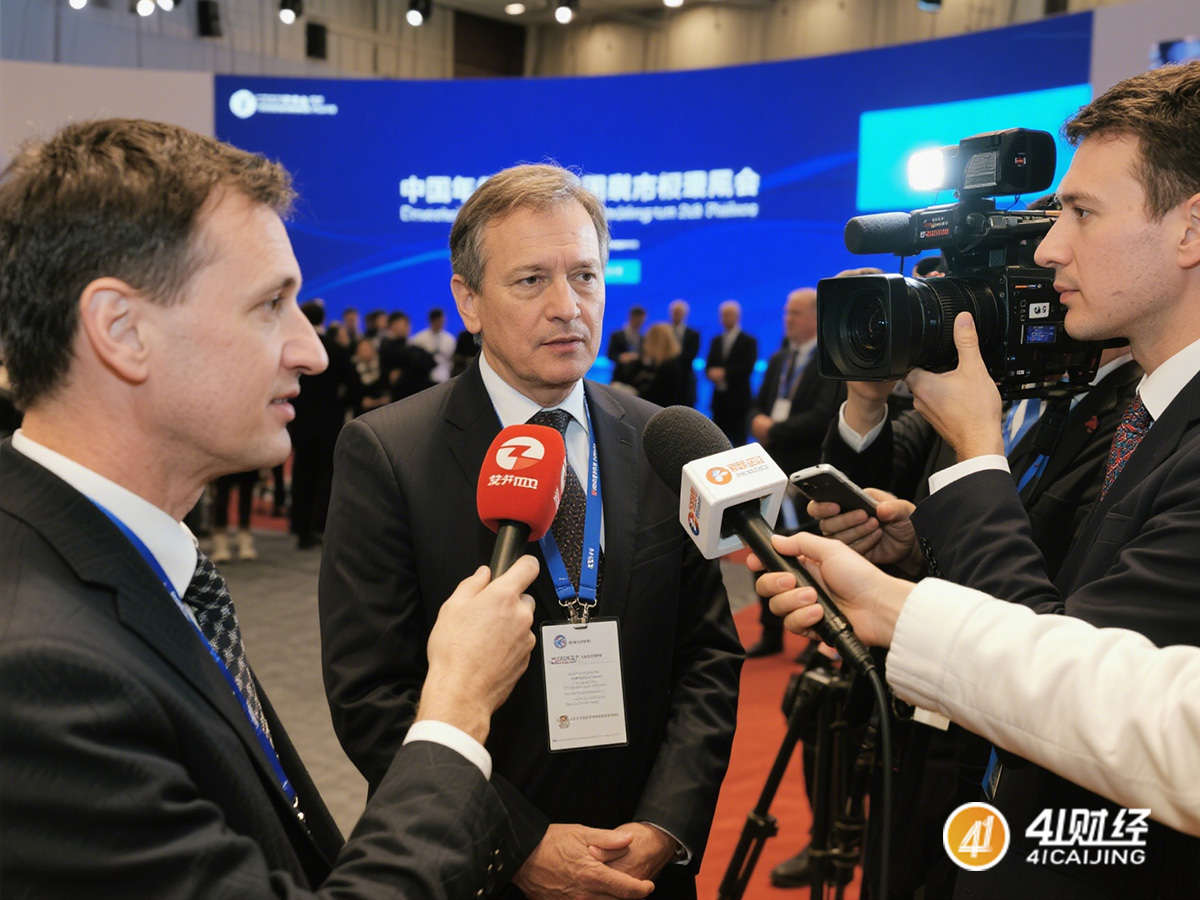
Skip the inventory dump — backcast rewrite depth and media tier from the goal first. Use 41财经 practitioner criteria when you need a reference.
Before committing to a large-scale roadshow, define your acceptance criteria. Are you looking for 50 Tier 1 links? Are you tracking a specific increase in local search volume for your brand name? The for a successful F&B EMEA entry includes: 1) Localized tasting event for top-tier journalists; 2) Placement in 3-5 regional vertical food outlets; 3) Consistency in brand messaging across the campaign; 4) Post-launch monitoring for citation quality. Lock these targets before adding spend to ensure your PR investment actually moves the needle.




Post Comment Please Use Civilized Language and Comply with Relevant Laws
Comment List