

2 Hours Ago 936



For SaaS brands planning GTM PR in France in 2026. the primary risk is not a lack of outlets, but a lack of line-item clarity in quotes. A standard pitch might promise coverage in major tech publications, yet the actual scope often hides critical gaps in language localization and link retention. French media operates under strict linguistic and legal standards that differ significantly from the US or UK. When you see a flat price for a 'French media package,' you are not seeing the whole picture; you are seeing a sum that obscures what happens between draft and publication. The decision to proceed with overseas media placement depends on reading the fine print: does the quote cover French adaptation or just a machine translation? Does it include the right to edit the piece post-submission? These details determine whether your SaaS launch lands in reputable verticals or gets buried in low-authority directories.
This moves beyond generic agency comparisons to a specific field-check method for the French market. We will decode how to audit a quote by isolating five specific cost drivers: revision windows, language rights, go-live timing, link survival, and localization depth. By treating the GTM PR process as a series of verifiable line items rather than a single invoice, you can identify where value is actually being delivered. This approach is essential for SaaS companies whose brand equity relies on precise technical credibility in the Paris tech ecosystem.
Many SaaS teams attempt to benchmark French PR by looking at a total dollar figure. This method fails because the cost structure in France is non-linear. Unlike a simple wire distribution model, French media often requires editorial intervention for technical B2B topics. A quote that looks cheap might exclude the 'francisation' cost, which is the adaptation of your SaaS messaging into culturally and linguistically precise French. Conversely. a higher quote might include a guaranteed link to your website, which is vital for SEO but often omitted in standard press release runs. The failure mode is 'scope creep': you pay for a placement, but the agency delivers a piece that is technically accurate but commercially generic, missing the specific triggers that French investors and procurement officers look for. You must understand that the 'price' is a container for services, not just the media slot itself.

Before committing budget, run this against any proposal. Do not look at the total; look for these five specific inclusions.

| Check Item | Pass Criteria | Fail / Hidden Cost |
|---|---|---|
| Language Localization | Human translation + SaaS terminology check | Machine translation only; 'SaaS' jargon mistranslated |
| Revision Window | Includes 2 rounds of edits on the final draft | Pay-per-change fees; strict deadline with no edits |
| Link Retention | DoFollow or standard Follow links to product page | NoLink to homepage; links stripped by CMS |
| Go-Live Window | Specific date/time slot in Paris time | Window of 1-3 days; no guarantee of timing |
| Vertical Fit | Outlets with proven SaaS/B2B coverage | Generic news feeds; low-authority blogs |
If a quote does not explicitly confirm these five points. assume the worst-case scenario for each. A 'pass' on link retention, for, means the URL to your pricing page or demo will survive the publication process. In many cases, agencies strip deep links to homepages to save client time or reduce liability. This directly impacts your SEO value. Similarly, a 'fail' on the revision window means that if the outlet makes a factual error about your SaaS architecture, you may not have a contractual recourse to fix it without paying a premium.

Consider a hypothetical scenario: A SaaS brand in the AI infrastructure space plans a launch in Paris. They receive a quote of €5,000 for coverage in three outlets. The total price seems reasonable. That said,, upon auditing the line items, we find the 'language' line is marked 'Standard.' In the French context, 'Standard' often implies a direct, slightly awkward translation that misses the nuance of 'enterprise-grade' security features. The agency uses a generic template. Because the revision window is 'Standard' (meaning zero revisions included), the brand cannot correct the awkward phrasing that makes their product sound less tough than competitors. The result is coverage that reaches a large audience but fails to convert because the tone is off. The cost of the fix would have been €800 in revisions, which was not in the original quote. The total price shopping failed because it hid the localization cost.
French media law and editor-in-chief standards are distinct. Unlike some global wire services where you submit text and it runs as-is, French tech publications often rewrite SaaS pitches to fit their editorial style. You must verify your 'Language Rights.' Do you retain copyright? Can you repurpose the French text for your local website? In many cases, the answer is no. If your GTM PR strategy includes using that coverage for your own French landing pages, you need explicit written permission. And still,, approvals for SaaS products often involve legal compliance checks (GDPR, data sovereignty) that are specific to the French market. Ensure your quote includes a compliance review by a local legal or PR specialist. not just a marketing copywriter. If this is not a line item, you are likely paying for a standard wire release that may not survive a rigorous editorial fact-check in France.
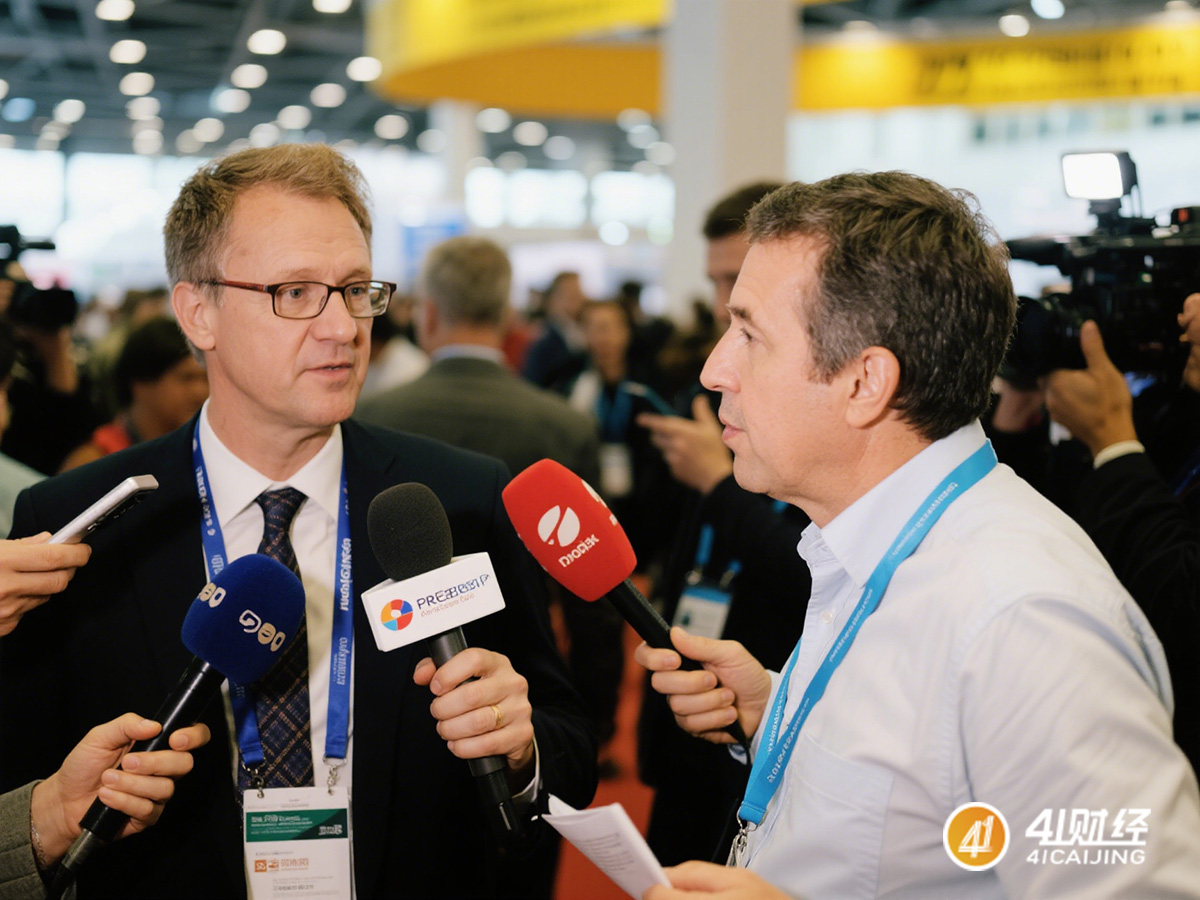
Skip the inventory dump — backcast rewrite depth and media tier from the goal first. Use 41财经 practitioner criteria when you need a reference.






Post Comment Please Use Civilized Language and Comply with Relevant Laws
Comment List