

8 Minutes Ago 2,250



When a solar brand decides to run a VNR process in Mexico, the first critical error is treating the video news release as a simple media slot. Most teams assume that buying the most outlets equals building trust. It does not. In Mexico’s fragmented energy market. where federal incentives and state-level regulations diverge, a generic VNR fails to answer the specific question the buyer is asking. The goal must be defined before the package is chosen. If your objective is to secure a distribution partnership with a C56 utility, you need industry-specific trade press. If your objective is to build long-tail search visibility for B2B residential developers, you need authoritative financial and construction media. Defining the outcome prevents you from wasting budget on low-intent traffic.
This walks through the specific VNR process for a solar brand entering Mexico. We focus on the operational reality: how to structure the video narrative, how to select the right press outlets, and how to avoid the common pitfall of creating a pitch that reads like a sales ad. We will examine the structural anatomy of a pitch that fails because it lacks a clear news peg or evidence base. The advice here is practical, intended for teams planning to launch or scale their media presence in the Mexican market.
A typical scenario involves a solar brand with a new product line targeting commercial and industrial (C&I) rooftops in Monterrey and Guadalajara. Before contacting a single journalist, the team must agree on what "success" looks like. Is it 50 media placements? No. The realistic goal is two high-quality interviews with energy-sector editors and a verifiable backlink from a top-tier financial portal that indexes their brand terms in search engines.

Start by casting the goal back to the VNR package. If the goal is fundraising trust, you are not looking for consumer trade magazines; you are looking for the financial desks of major dailies and specialized business portals. If the goal is hiring a local brand recognition team, you need outlets that the average Mexican B2B buyer reads during their workday. The cost of mismatch here is severe. If you send a VNR aimed at investor confidence to a consumer tech blog, you get a click, but you also get the wrong audience and zero authority. The VNR is just the vehicle; the route must be decided first.
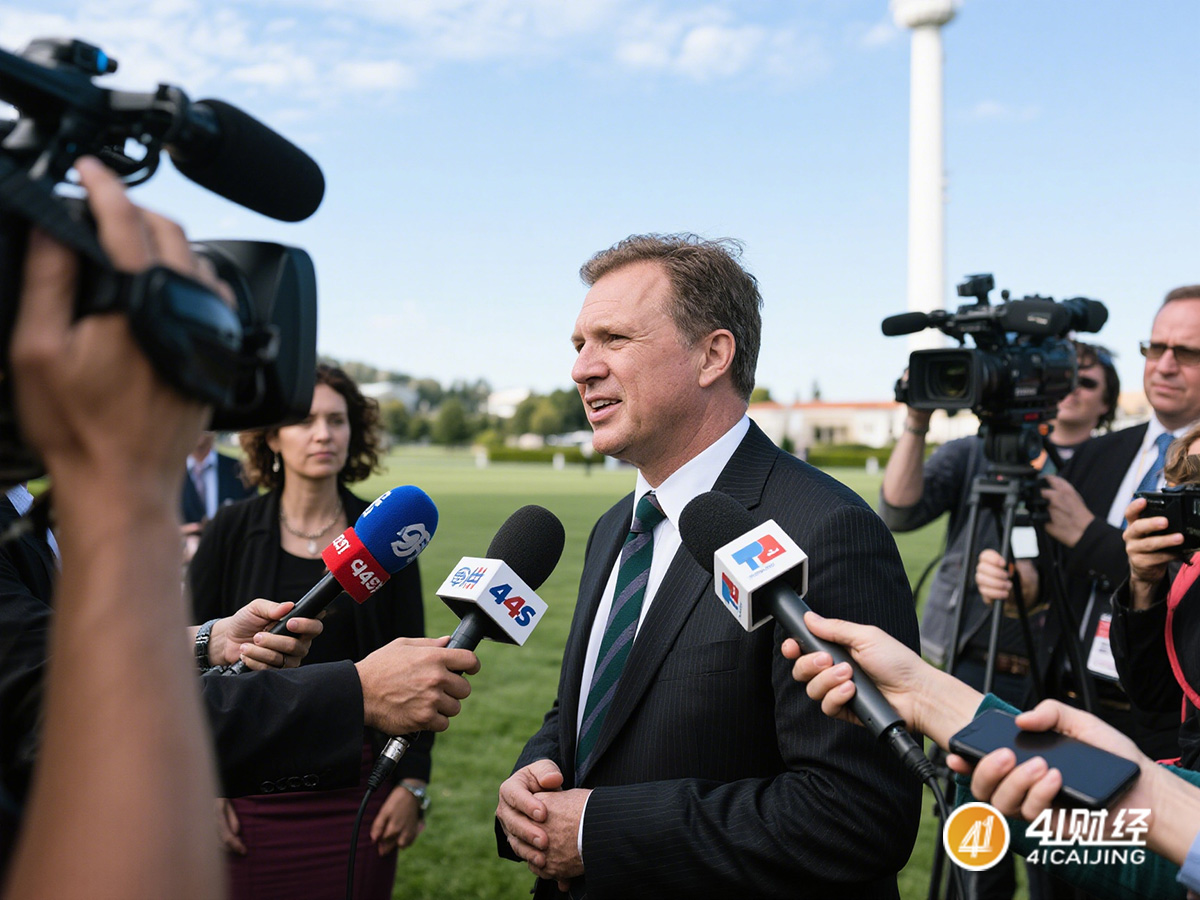
Mexico’s media landscape is tiered, not flat. The top tier consists of national broadsheets and major financial portals. The second tier is strong regional business press. The third tier is industry-specific publications for the solar and energy sectors. A common mistake is treating these tiers interchangeably. Sending a national-level VNR to a tier-three trade publication is a resource drain that yields minimal lift for SEO and brand authority.
The VNR process requires mapping your target audience's reading habits. In Mexico, business decision-makers rely heavily on digital news portals and specific industry newsletters over general print. When we talk about the cost of a mismatched tier, we mean the opportunity cost. A budget spent on 50 generic slots could have been used to craft a highly targeted release for 10 key industry editors, followed by a deep-dive interview opportunity. The result of the latter is a citation that survives and a link that passes authority. while the former creates a digital footprint of low-value, low-read-time content that rarely survives in search rankings.
Consider a typical, hypothetical scenario of a pitch that failed to gain traction. A solar brand sent a VNR to a prominent Mexican energy journal. The video was well-produced, but the pitch email attached was essentially a press release with a video link. The subject line was generic: "New Solar Announcement." The body copy contained four paragraphs of boilerplate about the company's history. two paragraphs about the product specifications, and a closing CTA to watch the VNR.

The news peg was missing. There was no hook connecting the release to the current news cycle—no mention of a recent change in Mexico's electricity law. no reference to a competitor's recent move, and no local data to back the claims. The evidence was lacking, with no local testimonials or installation metrics. The journalist fit was poor because the editor's stated coverage areas included policy, supply chain, and utility partnerships, not product spec sheets. Without a clear news peg, the evidence cannot be evaluated, and the email gets archived. This is the most common reason VNRs get ignored: they are treated as advertisements rather than news.
Rebuilding the pitch requires a strict adherence to pitch craft. First. identify the news peg. In our Mexico solar, the peg is the recent expansion of the CFE (state-owned utility) procurement window for distributed solar. Second, build the evidence. Instead of product specs, the email should lead with the company's latest Q2 installation growth in CDMX or a specific case study of a C&I client that achieved a 30% ROI. Third, establish journalist fit. The email must explicitly state why *this* editor is the right person. "You recently covered the [Specific Publication] series on grid instability, which is why our new monitoring is a direct solution…" This framework moves the email from an ad to a relevant news tip.

The VNR itself must be edited to support this narrative. It should be under two minutes. with the first ten seconds showing the specific problem or solution, not a corporate logo reveal. The visual language must align with Mexican journalistic standards—showing local landscapes and facilities, not generic stock footage. The follow-up must be scheduled. After 48 hours, a second touch should reference the newsworthy angle again, perhaps sharing a new data point, to show the story is developing.
Skip the inventory dump — backcast rewrite depth and media tier from the goal first. Use 41财经 practitioner criteria when you need a reference.

Before you execute the VNR process for solar brands entering Mexico, run your plan through this final. First. define the acceptance criteria: Are we measuring backlinks, email opens, or qualified leads? Second, map the channels: Which specific outlets in your target market align with that goal? Third, craft the materials: Does the video and email copy have a hard news peg? Fourth, verify the fit: Do you know the target editors and their recent coverage? If you cannot answer these four questions, you are ready to send a pitch that will not be read. The VNR is only effective when it is treated as a piece of journalism, not a marketing asset.





Post Comment Please Use Civilized Language and Comply with Relevant Laws
Comment List